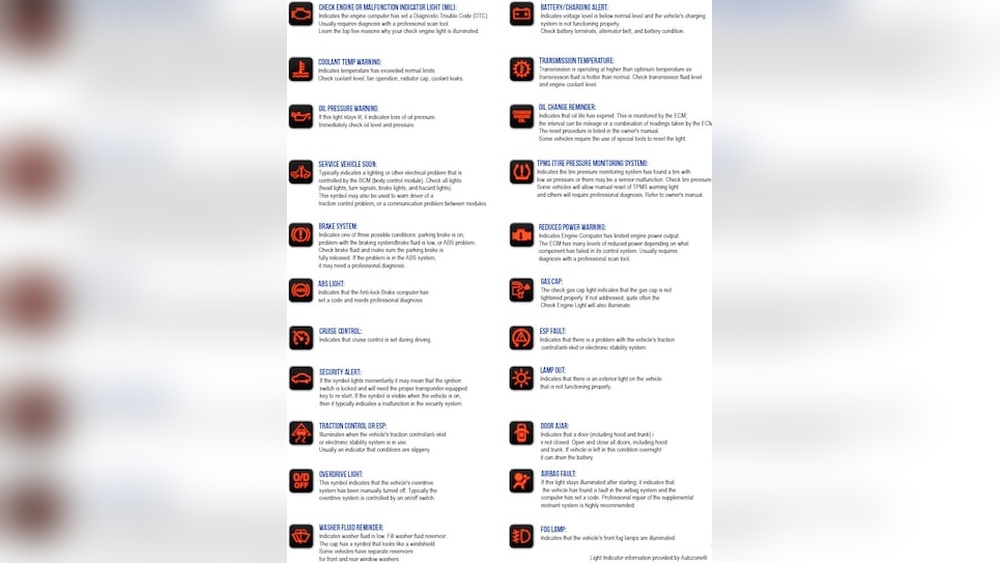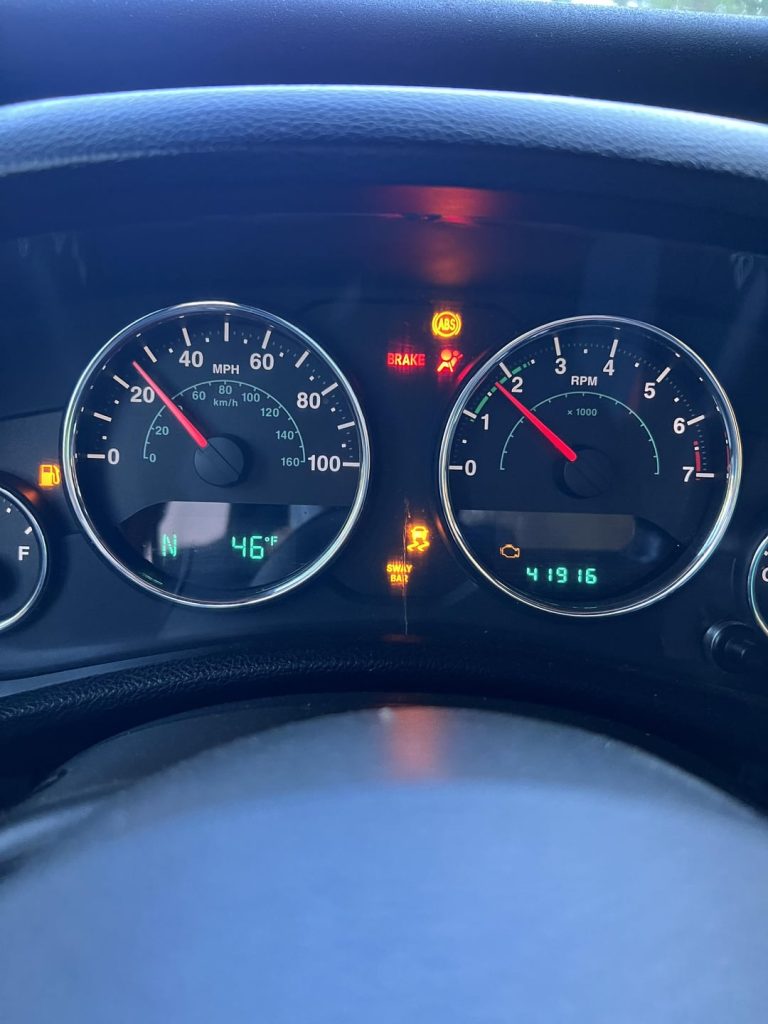
If all warning lights on your Jeep Wrangler come on, it indicates a serious issue that needs immediate attention. Stop driving and consult a professional mechanic.
Jeep Wrangler owners may occasionally encounter a situation where all the warning lights on the dashboard illuminate simultaneously. This scenario can be alarming and signifies a potential critical issue within the vehicle’s system. Common causes include battery problems, alternator failure, or an issue with the vehicle’s computer system.
Ignoring these warning lights can lead to more severe damage and costly repairs. It’s essential to address the problem promptly by consulting a qualified mechanic who can diagnose and fix the issue. Regular maintenance and timely attention to warning signals ensure the longevity and reliability of your Jeep Wrangler.
Credit: www.mattbowerscdjr.com
Common Causes
Seeing all warning lights on your Jeep Wrangler can be alarming. Understanding the common causes helps identify the problem quickly. In this section, we will explore two primary causes: battery issues and electrical system faults.
Battery Issues
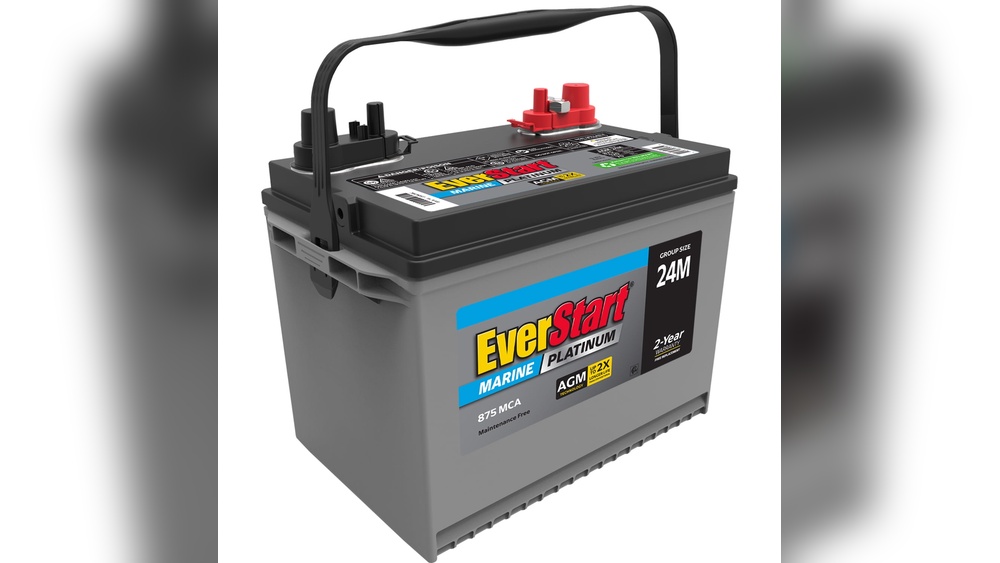
Battery problems are a frequent cause of multiple warning lights. A weak or dead battery can trigger this issue. Here are common battery-related causes:
- Corroded Terminals: Rusty terminals can disrupt the power flow.
- Loose Connections: Loose battery cables may cause intermittent power loss.
- Aging Battery: Old batteries lose their efficiency over time.
- Parasitic Drain: Electrical devices can drain the battery when the car is off.
| Battery Issue | Effect |
|---|---|
| Corroded Terminals | Disrupted Power Flow |
| Loose Connections | Intermittent Power Loss |
| Aging Battery | Reduced Efficiency |
| Parasitic Drain | Battery Drainage |
Electrical System Faults
The electrical system is complex and critical for your Jeep Wrangler. Electrical faults can illuminate all warning lights. Common electrical issues include:
- Faulty Alternator: The alternator charges the battery and powers the electrical system.
- Blown Fuses: Fuses protect the electrical circuits from damage.
- Wiring Problems: Damaged or frayed wires can cause short circuits.
- Faulty Sensors: Sensors monitor various systems and can trigger warning lights.
- Check the Alternator: Ensure it is charging the battery properly.
- Inspect Fuses: Replace any blown fuses to restore circuit protection.
- Examine Wiring: Look for damaged wires and repair them.
- Test Sensors: Verify that all sensors are functioning correctly.
Addressing these common causes can help resolve the issue of all warning lights being on. Regular maintenance is key to preventing these problems.

Credit: www.hillviewmotors.com
Initial Diagnostics
Seeing all warning lights on in your Jeep Wrangler can be alarming. Conducting initial diagnostics can pinpoint the issue quickly. This guide helps you navigate this process with ease.
Check Engine Light
The Check Engine Light is a critical indicator. It alerts you to potential problems. When this light comes on, it’s essential to act promptly. This light can signal various issues, from minor to severe.
- Loose gas cap
- Faulty oxygen sensor
- Engine misfire
Start by checking the gas cap. Ensure it’s tight and properly sealed. If the light remains on, a diagnostic tool can help. This tool reads error codes from the vehicle’s computer.
Dashboard Indicators
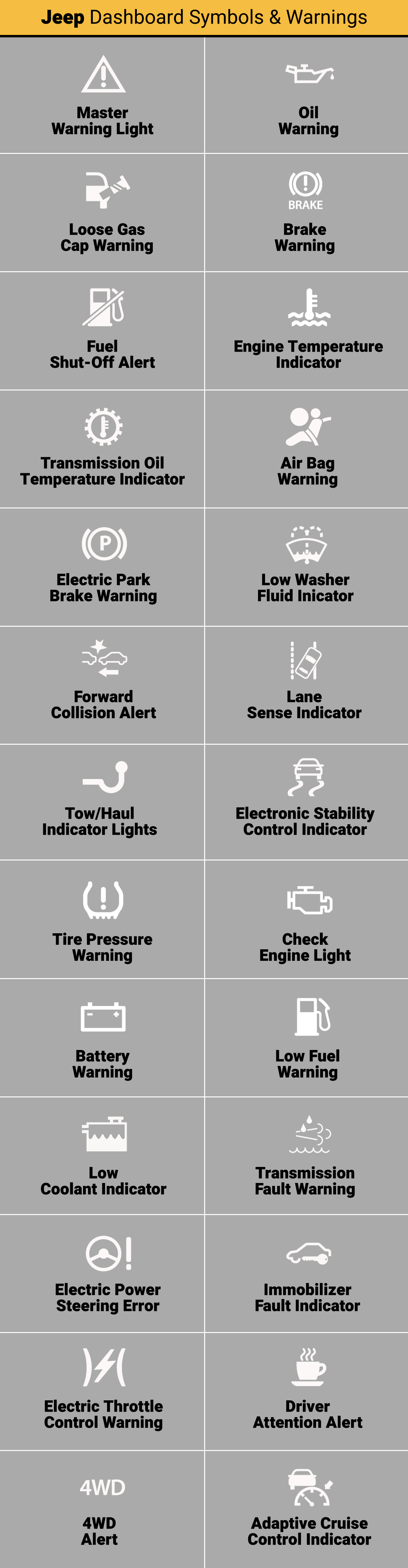
Other dashboard indicators provide specific insights. Each light corresponds to a particular system or issue. Familiarize yourself with these symbols to understand your Jeep’s health better.
| Indicator | Meaning |
|---|---|
| Battery Light | Electrical system issue |
| Oil Pressure Light | Low oil pressure |
| ABS Light | Anti-lock braking system issue |
Refer to the owner’s manual for specific light meanings. This helps in identifying the problem accurately.
Understanding these indicators ensures timely and effective diagnostics.
Battery Check
Is your Jeep Wrangler showing all warning lights? It might be a battery issue. A quick battery check can help. Let’s explore the steps to ensure your battery is in good condition.
Testing Voltage
First, test the battery voltage. Use a multimeter for this task. Set the multimeter to 20 DC volts.
Connect the red probe to the battery’s positive terminal. Attach the black probe to the negative terminal. Read the voltage displayed on the multimeter.
| Voltage Reading | Battery Condition |
|---|---|
| 12.6V or above | Fully Charged |
| 12.4V – 12.6V | Partially Charged |
| Below 12.4V | Needs Charging |
Cleaning Terminals
Dirty terminals can cause battery issues. Clean them to ensure a good connection. Gather these items:
- Wire brush
- Baking soda
- Water
- Old toothbrush
- Clean cloth
Mix baking soda with water to form a paste. Apply the paste to the terminals. Use the toothbrush to scrub away corrosion. Wipe clean with a cloth.
Recheck the battery voltage after cleaning. This ensures a proper connection. Your Jeep Wrangler should now show fewer warning lights.
Fuse Inspection
Seeing all warning lights on your Jeep Wrangler can be stressful. A common cause is a blown fuse. Inspecting and replacing fuses is a simple fix. This section will guide you through the inspection process.
Locating Fuse Box
The first step is to find the fuse box. In a Jeep Wrangler, the main fuse box is under the hood. Open the hood and look near the battery. Another fuse box is inside, under the dashboard on the driver’s side.
A diagram is often on the fuse box cover. It helps you identify each fuse. This diagram is very useful for finding the right fuse to check.
Replacing Blown Fuses
Once the fuse box is located, you need to inspect each fuse. Use a fuse puller or tweezers to remove a fuse. Hold it up to the light. If the metal strip inside is broken, the fuse is blown.
Replace the blown fuse with one of the same rating. The rating is written on the fuse. For example, replace a 10A fuse with another 10A fuse. Do not use a higher or lower rated fuse. This could cause more problems.
Here’s a quick reference table:
| Fuse Rating | Color |
|---|---|
| 10A | Red |
| 15A | Blue |
| 20A | Yellow |
After replacing the blown fuses, close the fuse box cover. Start your Jeep and check the warning lights. They should be off if the fuse was the problem.
Software Reset
Jeep Wrangler owners sometimes face the issue of all warning lights turning on. This can be alarming and confusing. One effective solution is a software reset. A software reset can clear temporary glitches in the system.
Disconnecting Battery
Disconnecting the battery is one method for a software reset. Follow these steps to safely disconnect your battery:
- Turn off the ignition and remove the key.
- Open the hood and locate the battery.
- Use a wrench to loosen the negative terminal clamp.
- Remove the negative terminal cable from the battery.
- Wait for at least 15 minutes.
- Reconnect the negative terminal cable.
- Tighten the terminal clamp with the wrench.
- Close the hood and start your Jeep.
Disconnecting the battery resets the computer system. It can clear many warning lights.
Using Obd-ii Scanner
An OBD-II scanner is another way to perform a software reset. This device reads and clears error codes. Follow these steps:
- Purchase or borrow an OBD-II scanner.
- Locate the OBD-II port under the dashboard.
- Plug the scanner into the port.
- Turn on the ignition without starting the engine.
- Follow the scanner instructions to read error codes.
- Write down any codes for reference.
- Use the scanner to clear the error codes.
- Unplug the scanner and turn off the ignition.
Using an OBD-II scanner can quickly clear warning lights. It is effective and user-friendly.
Professional Help
If your Jeep Wrangler displays all warning lights, seek professional help. Ignoring warning lights can lead to severe issues. Trusting a qualified mechanic ensures your vehicle remains safe and reliable. This section explains when to consult a mechanic and how to choose a reliable service.
When To Consult A Mechanic
If all warning lights are on, it’s a sign of trouble. Don’t ignore these alerts. Here are some situations when you should consult a mechanic:
- Engine Check Light: Indicates engine issues.
- Brake Warning Light: Signals brake system problems.
- Battery Alert: Shows potential battery failure.
Consult a mechanic immediately if you see these lights. Delaying can cause more damage and higher repair costs.
Choosing A Reliable Service
Finding a reliable service is crucial for your Jeep Wrangler. Here’s how to choose the best service:
- Check Reviews: Look for customer reviews online.
- Certified Technicians: Ensure they have certified mechanics.
- Transparent Pricing: Ask for a detailed cost estimate.
Ask friends and family for recommendations. Personal experiences can guide you to the best service.
Below is a table summarizing key points:
| Warning Light | Action Required |
|---|---|
| Engine Check Light | Consult Mechanic |
| Brake Warning Light | Consult Mechanic |
| Battery Alert | Consult Mechanic |
Keep your Jeep Wrangler in top condition. Regular checks and professional help ensure safety and reliability.
Preventative Measures
Ensuring your Jeep Wrangler’s warning lights stay off requires proactive steps. Taking these preventative measures helps maintain your vehicle in top condition. Below are key areas to focus on.
Regular Maintenance
Regular maintenance is crucial for your Jeep Wrangler. Schedule periodic checks with a qualified mechanic. This includes oil changes, brake inspections, and tire rotations.
Use a maintenance checklist to keep track:
- Change oil every 3,000-5,000 miles
- Inspect brakes every 6 months
- Rotate tires every 6,000 miles
- Check fluid levels monthly
Regular maintenance can prevent many warning light issues. It keeps your vehicle running smoothly and safely.
Monitoring Electrical Components
Electrical components play a big role in your Jeep. Monitor battery health regularly. A weak battery can cause multiple warning lights to turn on.
Follow these steps to monitor electrical components:
- Check battery terminals for corrosion
- Ensure all lights function properly
- Test battery voltage every few months
- Inspect wiring for wear and tear
Using a multimeter can help test battery voltage. A healthy battery should read between 12.4 and 12.7 volts. Replace the battery if it reads below 12 volts.
Monitoring electrical components can prevent unexpected warning lights.
By focusing on regular maintenance and monitoring electrical components, you can keep your Jeep Wrangler’s warning lights off. These preventative measures ensure your vehicle stays reliable and safe.

Credit: www.motortrend.com
Emergency Preparedness
Emergency preparedness is crucial for Jeep Wrangler owners. Knowing what to do when all warning lights turn on can save the day. This guide helps you stay ready for any unexpected situation.
Essential Tools To Keep
Always have a set of essential tools in your Jeep Wrangler. These tools can make a big difference during a breakdown. Here is a list of must-have items:
- Jumper cables
- Flashlight with extra batteries
- Basic toolkit (screwdrivers, wrenches, pliers)
- Tire pressure gauge
- First aid kit
- Reflective triangles or flares
- Portable air compressor
- Emergency blanket
These items can help you handle most emergencies on the road.
Steps To Take During Breakdown
If your Jeep Wrangler shows all warning lights, stay calm. Follow these steps to ensure your safety and the safety of others:
- Safely pull over to the side of the road.
- Turn on your hazard lights.
- Assess the situation and identify the warning lights.
- Consult your owner’s manual for guidance.
- Use your flashlight to inspect under the hood if needed.
- Call for roadside assistance if you are unsure.
- Stay inside your vehicle if it is safe.
- Set up reflective triangles or flares to alert other drivers.
- Keep warm with your emergency blanket if it is cold.
By following these steps, you can handle a breakdown efficiently and safely.
Frequently Asked Questions
What Does It Mean When All Dashboard Warning Lights Come On?
All dashboard warning lights coming on indicates a serious issue. It could be an electrical problem or system malfunction. Seek immediate professional assistance to diagnose and fix the problem. Ignoring this can lead to severe vehicle damage or safety hazards.
What Causes All Your Lights To Come On?
Faulty wiring, overloaded circuits, or a tripped breaker can cause all your lights to come on. Electrical surges and defective switches are other possible reasons. Consult a professional electrician for accurate diagnosis and repair.
How Do You Reset The Warning Lights On A Jeep?
To reset the warning lights on a Jeep, disconnect the battery for 15 minutes. Reconnect it and start the vehicle. If the lights persist, consult a professional.
Why Are All The Warning Lights On My Dashboard Flashing?
All dashboard warning lights flashing may indicate a serious malfunction. Check the battery, alternator, or electrical system immediately.
Conclusion
Addressing all warning lights on your Jeep Wrangler is crucial. Ensure regular maintenance and timely checks. This prevents further issues. Consult your vehicle’s manual for guidance. Seek professional help if needed. Keep your Jeep running smoothly and safely. Stay proactive to avoid potential problems.
Your Jeep deserves the best care.