Here’s the thing about the Jeep Commander’s “Transmission Over Temp” warning: it’s one of the most frustrating messages you’ll ever see on your dash — not because it always means disaster, but because it often doesn’t. Most of the time, you’re not looking at a fried transmission. You’re looking at a temperature sensor issue, a PCM glitch, or a cooling system that needs attention.
That said, sometimes it is serious. And the only way to know which situation you’re in is to follow a logical diagnostic path — not just throw parts at it hoping something sticks.
This guide covers every real-world cause documented across thousands of Commander owner experiences, the OBD-II codes you need to understand, and a step-by-step process for diagnosing and fixing the problem yourself or talking to a mechanic with confidence.
What “Transmission Over Temp” Actually Means on a Jeep Commander
The “Transmission Over Temp” warning appears on your Commander’s message center when the Powertrain Control Module (PCM) detects that transmission fluid temperature has exceeded a safe threshold — typically around 240–260°F (116–126°C), with the warning triggering at approximately 260°F and the P0218 trouble code setting if it stays elevated.
On the 5.7L Hemi Commander, the transmission is the 545RFE automatic. On V6 models, it’s the NAG1 (a Mercedes-derived unit). Both handle temperature monitoring differently, and their failure modes differ too — which matters a lot for diagnosis.
The PCM continuously monitors a temperature sensor integrated into the Transmission Range Sensor (TRS), which sits on top of the valve body inside the transmission. When the PCM sees temps it doesn’t like — or receives a signal it interprets as dangerously high, even if the transmission isn’t actually hot — it triggers the warning and illuminates the message center.
That last part is critical. The warning can mean real overheating OR a false reading. Your first job in diagnosis is to figure out which one you’re dealing with.
The Two Scenarios: Real Overheating vs. False Warning
-
Before you do anything else, ask yourself one question: Does the warning appear consistently under load (towing, highway driving, steep hills), or does it pop up randomly — sometimes at startup, sometimes idling in a parking lot?
If it appears under load: You likely have a real thermal problem. The transmission is working hard and not cooling efficiently. Focus on fluid, the cooler, and the cooling system.
If it appears randomly — especially at idle, at startup, or in cold weather: You’re almost certainly looking at a sensor or electrical issue, not actual overheating. This is the situation that sends Commander owners to multiple dealerships and racks up diagnostic bills with no answers.
Forum data from thousands of Commander owners reveals that the majority of intermittent over-temp warnings are electrical or sensor-related, not actual overheating events.
All the Real Causes — Ranked by How Common They Are
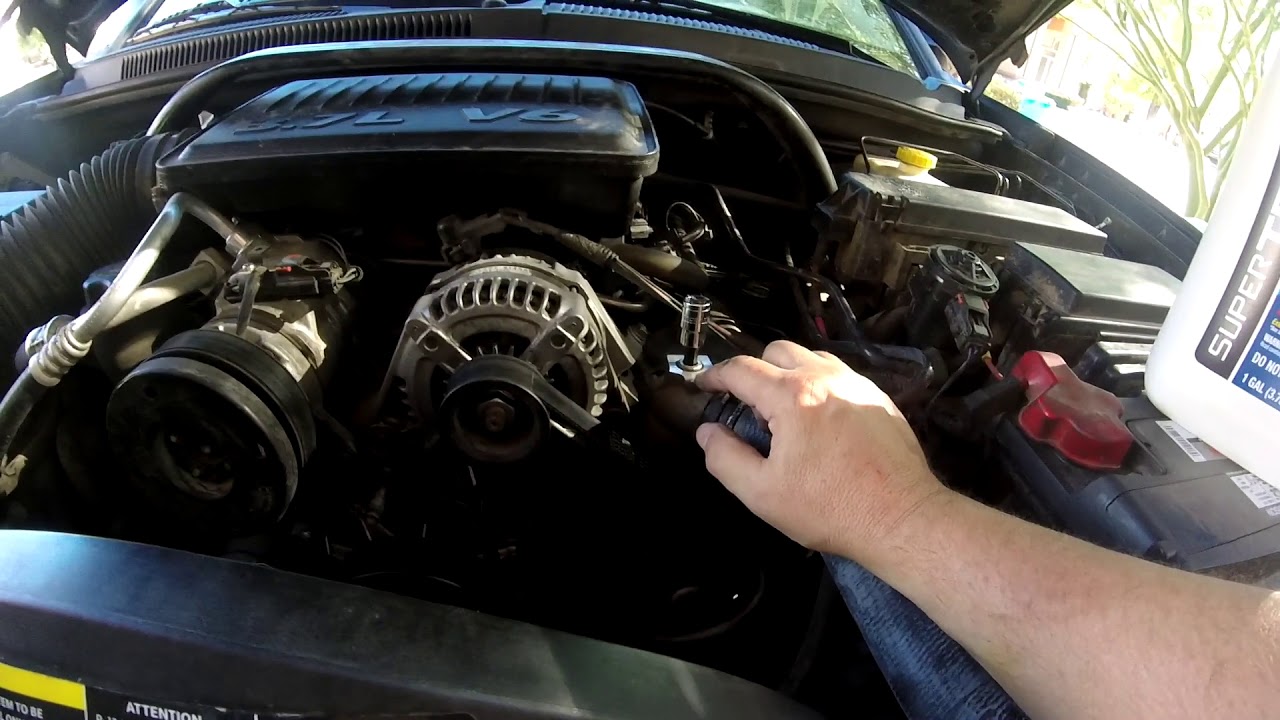
1. Faulty TRS / Transmission Temperature Sensor
The transmission temperature sensor is a thermistor integrated into the Transmission Range Sensor (TRS), which is part of the solenoid module on top of the valve body. You cannot replace just the sensor — you replace the whole TRS/solenoid assembly.
When this thermistor fails or develops a high-resistance connection, it sends inaccurate temperature data to the PCM. The PCM then triggers the over-temp warning even if your fluid is at a perfectly normal 180°F.
Symptoms of a bad TRS sensor:
- Intermittent warning with no pattern
- Warning appears at startup or when the engine is cold
- Shifts remain normal even when the warning is on
- Codes P0218 (high temperature operation activated) and P0714 (transmission temperature sensor intermittent) stored together
Replacing the solenoid pack/TRS assembly typically runs $200–$400 in parts. Labor adds 1–2 hours. This is the most common fix for intermittent, non-load-related warnings on the 2006–2010 Commander.
2. PCM Failure or Software Issue
This is the second most common cause — and the most expensive if you jump to it too quickly without ruling out the sensor first.
On the Commander, the TCM (Transmission Control Module) is integrated into the PCM, not separate. This means a failing PCM affects both engine and transmission control simultaneously. Multiple Commander owners have documented that wiggling or reseating the PCM connector temporarily cleared the over-temp warning — a classic sign of a failing module or poor connection.
Chrysler issued STAR Case S1421000016 specifically addressing this: if diagnostic event data shows an impossible scenario (e.g., transmission temp at 260°F while engine temp reads -4°F), the PCM is faulty and needs replacement.
A PCM replacement from the dealer runs $700–$1,200 with programming. Aftermarket remanufactured units are available for $200–$400, but must be programmed to your VIN.
Check this before replacing the PCM:
- Inspect all connectors on the PCM for corrosion or spread pins
- Check battery voltage (weak battery causes a cascade of false electrical codes on XK/WK Jeeps)
- Ask your dealer about a PCM software reflash before committing to full replacement — some owners resolved the issue with a free flash
3. Low or Degraded Transmission Fluid
This one is straightforward but worth covering correctly. The NAG1 (V6) was designed without a dipstick — Daimler’s philosophy was “sealed for life.” The problem: fluid does degrade, and the Commander doesn’t make it easy to check.
Low fluid = less fluid to absorb and dissipate heat = temperatures spike under load.
Degraded fluid is equally problematic. ATF breaks down over time, losing its viscosity and heat-transfer properties. Dark brown, burnt-smelling fluid is compromised. If you haven’t changed your transmission fluid in 40,000+ miles, do it now — this should always be Step 1.
Fluid type matters:
- 545RFE (Hemi): Use ATF+4 fluid only. Do not substitute.
- NAG1 (V6): Requires MB 236.14 specification fluid. Substituting with generic ATF will cause shifting problems.
4. Clogged or Bypassed Transmission Cooler
The Commander uses the engine radiator as the primary transmission cooler, with a transmission-specific cooler integrated into the radiator or mounted in front of the A/C condenser. If this cooler is restricted, fluid returning from the transmission can’t shed heat properly.
One documented fix on the Commander forums: an owner found that his A/C condenser had shifted and was physically contacting the radiator, creating a heat-transfer path that raised transmission temperatures. Repositioning the condenser with rubber bushings resolved the issue permanently.
Signs of a cooler problem:
- Over-temp appears consistently during sustained highway driving
- Transmission runs hot but fluid level and condition are fine
- Transmission temperature keeps climbing rather than stabilizing
Cooler flow test: Disconnect the transmission cooler return line into a container. With the engine running (briefly, in park), cooler flow should be at least one quart in 20 seconds. Less than that indicates a restriction.
5. Weak or Failing Battery
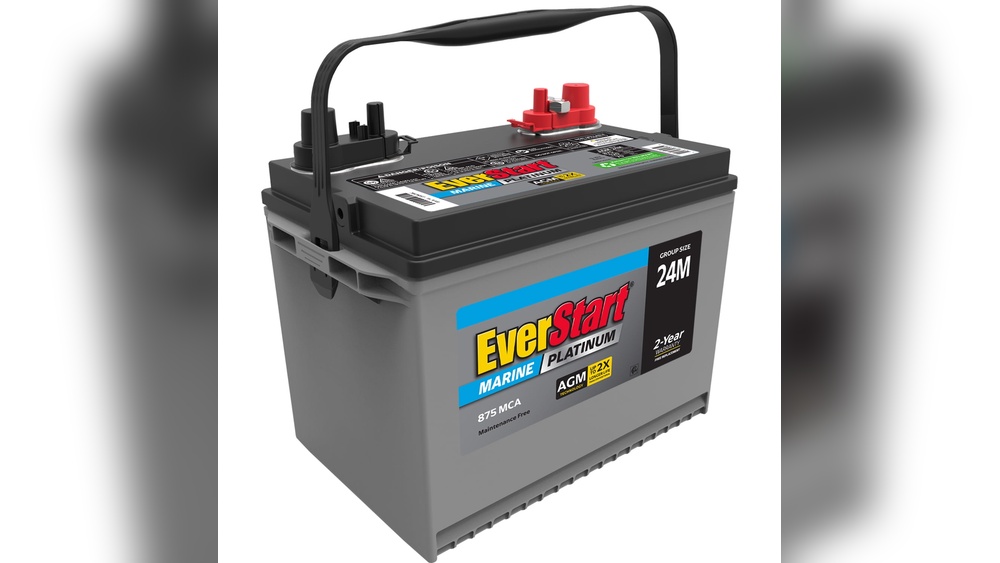
This one catches people off guard. A weak battery causes voltage fluctuations that generate phantom electrical codes on XK-generation Jeeps (2006–2010 Commander). The PCM interprets these voltage swings as abnormal sensor readings — and the transmission over-temp warning can be one of the results.
If your Commander battery is more than 4 years old, or if you’re seeing multiple random electrical issues alongside the over-temp warning (radio cutting out, odd idle, security system acting up), test the battery first. It’s the cheapest and fastest thing you can rule out.
6. Engine Overheating Transferring Heat to Transmission
The radiator cools both engine coolant and transmission fluid — they share the same unit. If your engine is running hot, the radiator can’t efficiently cool the transmission fluid either. Heat transfers into the ATF through the shared cooler.
This is why you’ll sometimes see “Transmission Over Temp” alongside rising engine temperature gauge readings. If both are happening, the engine cooling system is the root problem — fix that first before touching the transmission.
Common culprits: failing water pump, low coolant, stuck thermostat.
7. Heavy Towing or Extreme Use Beyond Capacity
The Jeep Commander has a maximum tow rating of 7,400 lbs (5.7L Hemi) or 3,500 lbs (V6). Exceed those numbers — or tow heavy in hot weather up sustained grades — and the transmission generates more heat than the stock cooler can dissipate.
If your over-temp warning only appears while towing, the fix is straightforward: install an auxiliary transmission cooler. A Derale or B&M stacked plate cooler ($80–$200) added in series with the factory cooler gives the Commander significantly more thermal headroom. This is highly recommended for anyone regularly towing near capacity.
The Diagnostic Codes: What P0218 and P0714 Mean
When the transmission over-temp warning appears, check for stored codes immediately. These two are the most common:
| Code | Name | What It Tells You |
|---|---|---|
| P0218 | Transmission Over Temperature Condition (High Temp Operation Activated) | PCM detected fluid temp above threshold — could be real or sensor-triggered |
| P0714 | Transmission Fluid Temperature Sensor A Circuit Intermittent | The sensor signal is erratic — points strongly toward TRS/sensor failure |
| P0700 | Transmission Control System Malfunction | Generic code — check for additional transmission codes |
P0218 alone could be real overheating or a PCM/sensor issue. You need additional data.
P0218 + P0714 together almost always means the TRS temperature sensor is bad and sending false high readings. This is the most common combination in Commander forums and is strong evidence you don’t have an actual overheating problem.
How to pull codes without a scanner: Turn the ignition key on-off-on-off-on (within 5 seconds) and leave in the ON position. Check the odometer window for any flashing codes. Note: transmission codes may not always display this way — a basic OBD-II reader ($30 from Amazon) is worth having.
Step-by-Step Diagnosis: Start Here Before Spending a Dollar
Step 1: Check the battery and connections first. Weak battery voltage causes phantom codes. Test the battery — load test, not just voltage. Clean terminals and ground connections.
Step 2: Check transmission fluid level and condition. For the 545RFE (Hemi), check on a level surface, engine warm and running, in park. For the NAG1 (V6), you’ll need a dealer or a tech with the proper Chrysler scan tool to check fluid level via the fill plug. Look at the color and smell. Brown and burnt = change it immediately.
Step 3: Pull the diagnostic codes. Note whether you have P0218, P0714, or both. This shapes everything that follows.
Step 4: Document the pattern. Does the warning appear under load (real thermal issue) or randomly (sensor/electrical issue)? Does it clear immediately when you restart the car? If yes to the latter, that’s a classic PCM or sensor fault.
Step 5: Check the PCM connector. With the car off, locate the PCM (under the hood, passenger side on most Commanders). Disconnect the connector, inspect for corrosion or bent pins, apply dielectric grease, and firmly reseat it. Some owners resolved the issue completely this way.
Step 6: Use an infrared thermometer. When the warning comes on, point an infrared temp gun at the transmission pan. If the reading is below 200°F, the transmission is not actually overheating — you have a sensor or PCM problem.
Step 7: Inspect the transmission cooler and lines. Look for kinked, cracked, or damaged cooler lines. Check that the cooler in front of the radiator is clean and unobstructed. Confirm the A/C condenser isn’t contacting the radiator.
Step 8: If P0714 is present, replace the TRS/solenoid pack. After ruling out battery and fluid issues, this is the next most cost-effective fix. It addresses the most common cause of intermittent false warnings.
Step 9: If P0218 persists with normal actual temps and a good TRS, investigate the PCM. Ask your dealer about a free software reflash before authorizing a replacement. Some Commander owners have had the reflash resolve intermittent over-temp codes at no charge.
When You Pull Over: What To Do Right Now
If the warning appears while driving, here’s what to do:
- Don’t panic, but don’t ignore it. Pull over safely as soon as you can.
- Shift to park and let the engine idle — don’t shut it off immediately. The cooling system continues to circulate fluid while idling.
- After 2–3 minutes, shut the engine off and pop the hood. This allows heat to dissipate faster.
- Wait 15–30 minutes before restarting.
- Check the transmission fluid level if accessible.
- Restart and monitor — if the warning doesn’t reappear immediately, you may have had a brief thermal event. Drive gently and get it diagnosed soon.
- If the warning returns immediately or the transmission shifts hard or slips, do not continue driving. Have it towed.
Can You Drive With the Transmission Over Temp Warning On?
The short answer: no, not if you can avoid it.
If the warning is persistent and accompanied by hard shifts, slipping, or a burning smell, stop immediately. Continued driving risks destroying the transmission — a replacement runs $2,500–$5,000.
If the warning is intermittent, clears on restart, and you’re not experiencing any drivability issues, you’re probably dealing with a sensor problem. You can drive cautiously to a shop, but don’t let it go undiagnosed. The risk is that a sensor problem masks a real thermal problem developing in parallel.
Long-Term Fixes and Upgrades
Auxiliary Transmission Cooler: If you tow regularly, add a Derale 13950 or B&M SuperCooler 70268 in series with the factory cooler. These are direct-fit solutions for the Commander and drop transmission temps by 20–30°F under load.
Synthetic ATF: Upgrading to a full-synthetic ATF+4 (like Redline or Amalie ATF+4) improves thermal stability. The fluid holds up better at elevated temps before breaking down.
Transmission Temperature Gauge: A real-time digital gauge (Autometer or Dakota Digital make Commander-compatible units) lets you monitor actual temps rather than relying on the PCM’s warning logic. This is especially useful if you suspect a sensor issue — you can verify real temps against what the PCM thinks is happening.
Driving Habits To Avoid
Maintaining your Jeep Commander’s transmission is crucial. Certain driving habits can lead to transmission overheating. Avoid these habits to keep your vehicle running smoothly.
Heavy Towing Issues
Towing heavy loads can strain your Jeep’s transmission. This causes the transmission to overheat.
- Check your vehicle’s towing capacity.
- Never exceed the recommended weight limit.
- Ensure proper distribution of the load.
Using a lower gear while towing helps. It reduces the stress on the transmission.
| Load Weight | Impact on Transmission |
|---|---|
| Within Limit | Normal Operation |
| Exceeds Limit | Overheating Risk |
Aggressive Driving Risks
Aggressive driving includes rapid acceleration and sudden braking. This puts extra stress on the transmission.
- Avoid quick starts and stops.
- Maintain a steady speed.
- Use cruise control on highways.
Driving smoothly increases the lifespan of your transmission. It also improves fuel efficiency.
Remember, your Jeep Commander is built for adventure. Treat it well to enjoy many miles of reliable service.
Signs Of Transmission Trouble
Transmission issues can cause big problems for your Jeep Commander. Knowing the signs of transmission trouble can save you time and money. Here are some key indicators that something might be wrong.
Warning Lights
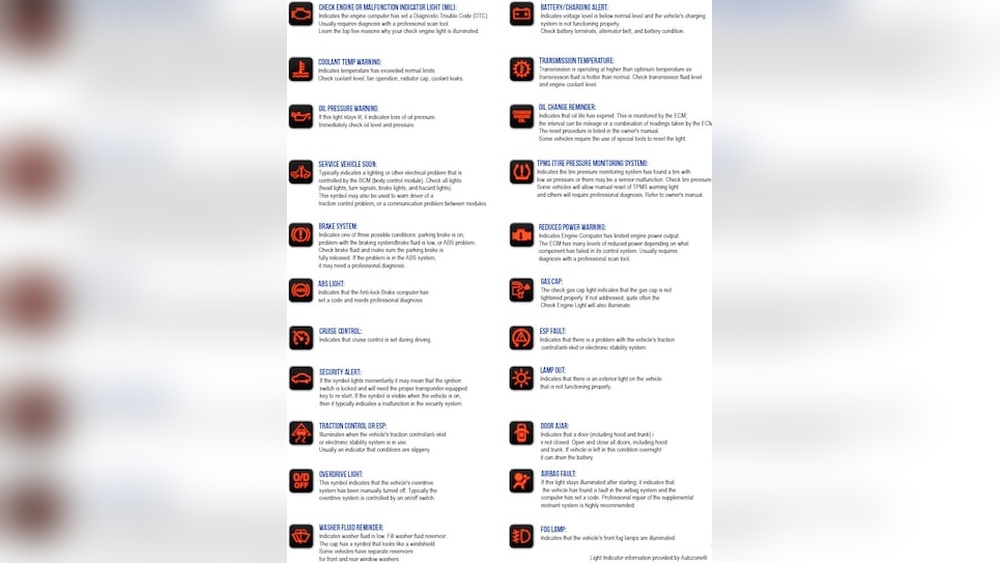
Your Jeep Commander has built-in warning lights. The transmission temperature light is one to watch. If this light turns on, it means your transmission is too hot. Other warning lights like the check engine light can also signal transmission problems.
- Transmission Temperature Light
- Check Engine Light
Unusual Noises
Strange noises can be a sign of transmission trouble. Listen for a grinding sound when you shift gears. A whining noise when the vehicle is in motion can also indicate a problem. These noises mean you should get your transmission checked soon.
- Grinding sound when shifting gears
- Whining noise while driving
Credit: www.jeepforum.com
Immediate Actions To Take
Experiencing a Transmission Over Temp warning in your Jeep Commander can be alarming. Immediate actions are crucial to prevent severe damage. Follow these steps to address the issue promptly.
Cool Down Techniques
First, pull over to a safe location and put the vehicle in park. Turn off the engine to allow the transmission to cool down.
Open the hood to release excess heat. This helps reduce the temperature faster. Wait for about 15 to 30 minutes before restarting the engine.
Check the transmission fluid level and condition. Low or dirty fluid can cause overheating. Add fluid if necessary, or plan for a fluid change.
Safe Driving Adjustments
After cooling down, drive slowly and avoid rapid acceleration. Keep the transmission in a lower gear to reduce strain.
Turn off the air conditioning to lessen the load on the engine. This helps the transmission work more efficiently.
Avoid towing heavy loads or driving up steep hills. Both activities can increase transmission temperature.
| Action | Reason |
|---|---|
| Pull over and stop | Prevent further damage |
| Open the hood | Release excess heat |
| Check fluid | Ensure proper levels |
| Drive slowly | Reduce transmission strain |
| Turn off A/C | Less engine load |
| Avoid heavy loads | Prevent overheating |
When To Seek Professional Help
The Transmission Over Temp warning in your Jeep Commander is serious. Sometimes, it indicates a simple issue. Other times, you need expert help. Knowing when to seek professional help can save your vehicle.
Recognizing Severe Issues
Some signs show your transmission needs immediate attention. Look for these symptoms:
- Burning smell from the transmission
- Fluid leaks under the vehicle
- Strange noises during gear shifts
- Jerking or slipping gears
- Check Engine light along with the warning
If you notice any of these signs, don’t delay. Your Jeep’s transmission may need urgent repairs.
Finding A Trusted Mechanic
Choosing the right mechanic is crucial. Here’s a checklist to find a trusted expert:
- Check online reviews and ratings.
- Ask friends for recommendations.
- Ensure the mechanic is ASE certified.
- Request a detailed cost estimate.
- Verify the warranty on their work.
A good mechanic will diagnose your Transmission Over Temp issue accurately. They will also ensure your Jeep Commander runs smoothly.
| Sign | Indication |
|---|---|
| Burning smell | Overheating or fluid issues |
| Fluid leaks | Seal or gasket problem |
| Strange noises | Internal transmission damage |
| Jerking gears | Transmission slipping |
| Check Engine light | System malfunction |
Long-term Solutions
Experiencing a Transmission Over Temp issue with your Jeep Commander can be worrisome. Addressing it requires long-term solutions to keep your vehicle running smoothly. The following sections will guide you through potential fixes to ensure your transmission stays cool and functional for years to come.
Transmission Upgrades
Upgrading your transmission can provide a more permanent fix. Consider installing a heavy-duty transmission cooler. This helps to dissipate heat more efficiently.
- Choose a cooler with a high cooling capacity.
- Install a temperature gauge to monitor your transmission.
- Ensure proper fluid levels with synthetic transmission fluid.
A performance torque converter can also be a good investment. It allows better fluid circulation, reducing heat buildup.
Warranty Options
Investing in a good warranty can save you from future expenses. Look for warranties that cover transmission repairs and upgrades.
| Warranty Type | Coverage | Duration |
|---|---|---|
| Basic | Standard Repairs | 3 Years |
| Extended | Upgrades & Repairs | 5 Years |
| Comprehensive | All Parts & Labor | 7 Years |
Ensure you read the fine print. Know what is and isn’t covered. This helps avoid surprises down the road.
Frequently Asked Questions
What does “Transmission Over Temp” mean on a Jeep Commander?
It means the PCM has detected transmission fluid temperatures above the safe operating threshold — around 260°F. It can indicate actual overheating, or it can be a false warning caused by a faulty temperature sensor (integrated into the TRS) or a failing PCM. On the 2006–2010 Commander, intermittent warnings are most often sensor or PCM-related, not genuine overheating events.
What is the normal transmission temperature for a Jeep Commander?
Normal operating temperature is 160°F to 200°F (70°C–93°C). The over-temp warning typically triggers around 260°F. If your transmission pan reads below 200°F with an infrared thermometer when the warning is on, the transmission is not actually overheating — you likely have a sensor or PCM fault.
What is the P0218 code on a Jeep Commander?
P0218 stands for “Transmission Over Temperature Condition / High Temperature Operation Activated.” It means the PCM recorded fluid temps above threshold. On the Commander, this code frequently appears alongside P0714 (intermittent temp sensor circuit) — together, these two codes strongly point toward a faulty TRS/solenoid pack rather than genuine overheating. Check actual fluid temps with an infrared thermometer to confirm.
Can I drive my Jeep Commander with the transmission over temp light on?
Not recommended. If the warning is consistent or accompanied by shifting problems, stop driving immediately. If it’s intermittent and clears on restart with no drivability issues, you can drive carefully to a shop — but get it diagnosed promptly. The longer you wait, the more you risk turning a sensor problem into an actual overheating event.
Does the Jeep Commander have a known PCM issue causing false over-temp warnings?
Yes. Chrysler documented this in STAR Case S1421000016. The 545RFE’s TCM is integrated into the PCM, and PCM failures are a documented cause of false transmission over-temp warnings on 2006–2010 Commanders and Grand Cherokees. Before replacing the PCM ($700+), check for battery issues and request a PCM software reflash from the dealer — some owners resolved the issue at no charge.
How much does it cost to fix transmission over temp on a Jeep Commander?
Costs vary widely by root cause:
- Transmission fluid change: $80–$150
- TRS/Solenoid pack replacement: $250–$600 (parts + labor)
- Auxiliary transmission cooler: $150–$350 installed
- PCM reflash: $0–$150 (sometimes covered under recall)
- PCM replacement: $800–$1,500 (dealer) or $400–$700 (aftermarket + programming)
- Transmission rebuild/replacement: $2,500–$5,000
Start with the cheapest possibilities first. Most intermittent cases on the Commander resolve with a fluid change, TRS replacement, or PCM reflash.
Conclusion
The Jeep Commander’s “Transmission Over Temp” warning has a reputation for being maddeningly vague — and with good reason. The same warning can mean a $30 fluid top-up or a $4,000 transmission rebuild. The difference is in the diagnosis.
Start with the basics: battery health, fluid condition, and diagnostic codes. If you’ve got P0714 alongside P0218 and the warning appears randomly with no drivability issues, you’re almost certainly dealing with a faulty TRS sensor — not a dying transmission. That’s a manageable fix.
If you’re towing and the warning appears consistently under load, the transmission is probably telling you the truth. Add a cooler, change the fluid, and give it the thermal headroom it needs.
For more on keeping your Commander running right, check out the Jeep Fuel Cost Calculator to track your real-world operating costs, and the Jeep Modification Budget Planner if an auxiliary cooler install is on your list.