Are you confused about what sets a 4×4 car apart from a Jeep? You’re not alone.
Many people use these terms interchangeably, but they actually mean different things. Understanding the difference can help you make smarter choices whether you’re buying a vehicle, planning an off-road adventure, or just curious about how these machines work. Keep reading to uncover the key differences that will change how you see 4x4s and Jeeps forever.
This knowledge could save you time, money, and frustration on your next ride.
Table of Contents
Toggle4×4 Cars Basics
4X4 cars are popular for off-road driving and tough conditions. They offer better control on slippery or rough surfaces. These vehicles send power to all four wheels at once. This helps the car move forward even on difficult terrain.
Understanding how 4X4 systems work helps you choose the right vehicle. Many people confuse 4X4 cars with Jeeps, but they are not the same. Let’s explore the basics of 4X4 cars to clear up the confusion.
What 4×4 Means
4X4 means a vehicle has four wheels and all four wheels get power. This is different from two-wheel drive cars. In 4X4 cars, power is sent to both front and rear wheels. This improves traction and stability on rough roads.
How 4×4 Systems Work
4X4 systems send engine power to all wheels at the same time. This helps the vehicle keep moving on slippery or uneven surfaces. Some systems work all the time. Others can switch between two-wheel and four-wheel drive. This switch helps save fuel when extra power is not needed.
Types Of 4×4 Systems
There are two main types of 4X4 systems: part-time and full-time. Part-time 4X4 lets you choose when to use all four wheels. Full-time 4X4 works with all wheels powered all the time. Some cars use automatic systems that change power distribution based on road conditions.
Jeep Characteristics
A 4×4 car has four-wheel drive for better grip on rough roads. A Jeep is a type of 4×4 built for off-road use, with rugged design and strong build. Differences lie in purpose and style.
Jeep Brand History
Jeeps have a rich history that began during World War II. The brand started as a military vehicle designed for tough terrain. It quickly gained fame for its durability and off-road ability. After the war, Jeep became popular with civilians. It grew into a symbol of adventure and freedom. Today, Jeep is known worldwide for rugged vehicles.
Key Features Of Jeeps
Jeeps are built to handle rough roads and off-road trails. They have strong frames and high ground clearance. Many models come with four-wheel drive systems. This helps keep traction on slippery or uneven surfaces. Jeep vehicles often have removable doors and roofs. This adds to the open-air driving experience. Their design focuses on practicality and toughness.
Common Jeep Models
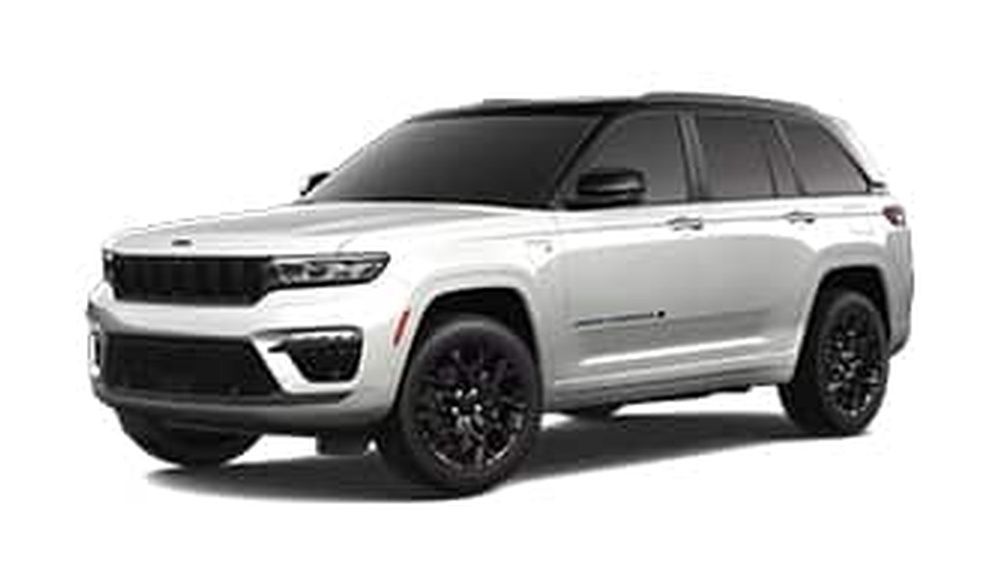
Several Jeep models are popular among drivers. The Jeep Wrangler is famous for its off-road skills. It has a boxy shape and removable parts. The Jeep Grand Cherokee offers comfort and power. It suits both city driving and rugged paths. The Jeep Renegade is a smaller, urban-friendly model. Each model provides unique features but keeps the Jeep spirit alive.
Comparing 4×4 Cars And Jeeps
Comparing 4X4 cars and Jeeps helps us understand their unique features. Both vehicles offer four-wheel drive, but they serve different purposes. Knowing their differences makes choosing easier for drivers.
4X4 cars blend everyday use with off-road ability. Jeeps focus more on rugged terrain and adventure. The design, performance, and capabilities vary between the two.
Performance Differences
4X4 cars usually have engines built for smooth driving on roads. They provide good fuel efficiency and comfort. Jeeps have stronger engines designed to handle rough trails. Their power supports climbing rocks and deep mud. Jeep suspensions absorb shocks better off-road. 4X4 cars focus on balance between speed and control.
Design And Build
4X4 cars often look like regular cars with extra drivetrain parts. They have sleek bodies and lighter frames. Jeeps have boxy shapes and heavier frames. Their build uses tough materials for durability. Jeep designs include high ground clearance and skid plates. These features protect the vehicle under harsh conditions. 4X4 cars emphasize style and road comfort more.
Off-road Capabilities
Jeeps excel in off-road conditions with features like locking differentials. They handle steep slopes, rocks, and water crossings well. 4X4 cars can manage light off-road tasks such as dirt roads. They lack the specialized gear found in Jeeps. Jeep tires and traction systems are made for rough terrain. 4X4 cars prioritize all-weather safety over extreme trails.
Usage And Purpose
Understanding the usage and purpose of a 4×4 car versus a Jeep helps in choosing the right vehicle. Both offer four-wheel drive, but their designs serve different needs. The differences become clear when looking at everyday driving, off-road adventures, and towing tasks.
Everyday Driving
4×4 cars are often smoother and more comfortable for daily use. They handle well on city streets and highways. Jeeps focus more on ruggedness than comfort. They may feel rougher on paved roads. For simple commuting, 4×4 cars usually offer better fuel efficiency and a quieter ride.
Adventure And Off-roading
Jeeps are built for tough terrains and rough trails. They have higher ground clearance and stronger suspension. This makes them ideal for off-roading and exploring nature. 4×4 cars can manage light off-road paths but lack Jeep’s durability. For serious adventure, Jeep is the preferred choice.
Towing And Hauling
Jeeps often come with stronger engines and frames. They can tow heavier loads and carry more weight. 4×4 cars have limited towing capacity. They suit small trailers or light cargo. For heavy hauling or towing, Jeep stands out as the better option.
Cost And Maintenance
Cost and maintenance are key points to consider when choosing between a 4X4 car and a Jeep. These factors affect your budget and long-term expenses. Understanding the differences helps you make a smart decision that fits your needs.
Price Range Comparison
4X4 cars often cost less than Jeeps. They come in many models with different prices. Basic 4X4 cars start at a lower price than most Jeeps. Jeeps are usually built for rugged use, which raises their price. Expect to pay more for a Jeep’s strong build and features.
Upkeep And Repairs
Maintaining a Jeep can be more expensive than a 4X4 car. Jeep parts often cost more. Repairs may take longer due to their complex design. 4X4 cars usually have simpler engines and parts. This can lower repair costs and time. Regular checks help keep both vehicles running well.
Resale Value
Jeeps often hold their value better than 4X4 cars. Their strong reputation for off-road use adds to this. 4X4 cars may lose value faster because of more competition. A Jeep can be a better choice if you want good resale value. Condition and maintenance also affect both vehicles’ worth.
Choosing Between A 4×4 Car And A Jeep
Choosing between a 4X4 car and a Jeep depends on your daily needs and style. Both offer off-road abilities but serve different purposes. Understanding your lifestyle, budget, and future goals helps in making the right choice.
Each vehicle has unique strengths. The decision should match your routine and plans. Here are key points to consider before choosing.
Lifestyle Considerations
Think about where you drive most often. A 4X4 car suits city roads and light off-road trips. It offers comfort and good fuel economy.
A Jeep fits rough terrains and outdoor adventures. It handles mud, rocks, and steep hills well. Choose Jeep if you love camping or exploring nature.
Budget Factors
4X4 cars usually cost less to buy and maintain. They are cheaper on fuel and insurance too. This saves money over time.
Jeeps often have higher prices and maintenance costs. Parts and repairs can be more expensive. Plan your budget carefully if choosing a Jeep.
Long-term Benefits
4X4 cars offer reliable performance and lower running costs. They keep value well if cared for properly.
Jeeps hold their value strong, especially among adventure lovers. They last long and perform in tough conditions. This makes them a good investment for the outdoorsy type.
How JeepKnowledge Can Help You with What is the Difference between a 4X4 Car And a Jeep?
Exploring Practical Learning Opportunities from Understanding 4X4 Cars and Jeeps
Grasping the differences between 4X4 cars and Jeeps opens up valuable practical learning paths, especially when considering usage and purpose or cost and maintenance. For anyone keen on off-roading or everyday driving, diving deeper into how each vehicle’s design influences performance can be eye-opening. For example, learning about Jeep’s rugged build versus the more versatile nature of some 4X4 cars helps clarify which might suit your lifestyle or adventure needs better.
Engaging with communities and resources like JeepKnowledge offers an excellent way to expand this understanding. Their expert-driven insights and straightforward advice can guide you through maintenance tips or model comparisons without overwhelming technical jargon. Whether you’re a DIY enthusiast or simply looking to make an informed choice, exploring these topics practically enriches your knowledge and confidence in selecting the right vehicle for your needs.
If you want to discuss specific concerns or get detailed advice, reaching out via JeepKnowledge’s contact channels can be a helpful next step in your learning journey.
Frequently Asked Questions
What Defines A 4×4 Car?
A 4X4 car has four wheels and all receive power from the engine. This feature improves traction and off-road capability, making it ideal for rough terrains and challenging driving conditions.
How Is A Jeep Different From A 4×4 Car?
A Jeep is a specific brand known for rugged, off-road vehicles. While all Jeeps are 4X4s, not all 4X4 cars are Jeeps. Jeeps focus more on durability and adventure-oriented features.
Can All Jeeps Be Considered 4×4 Vehicles?
Most Jeeps come with 4X4 capabilities standard. This design supports off-road driving and enhances performance on difficult terrains. However, some models may offer 2WD options.
Are 4×4 Cars Better For Off-roading Than Regular Cars?
Yes, 4X4 cars provide power to all wheels, improving grip and control on rough surfaces. This makes them superior for off-roading compared to regular 2WD cars.
Conclusion
A 4×4 car and a Jeep serve different purposes. A 4×4 offers extra traction for tough roads. A Jeep is built for off-road adventures and rugged use. Both have four-wheel drive but differ in style and capability. Choosing depends on your needs and where you drive.
Understanding these differences helps you pick the right vehicle. Whether for daily use or rough terrain, knowing what each offers matters most.