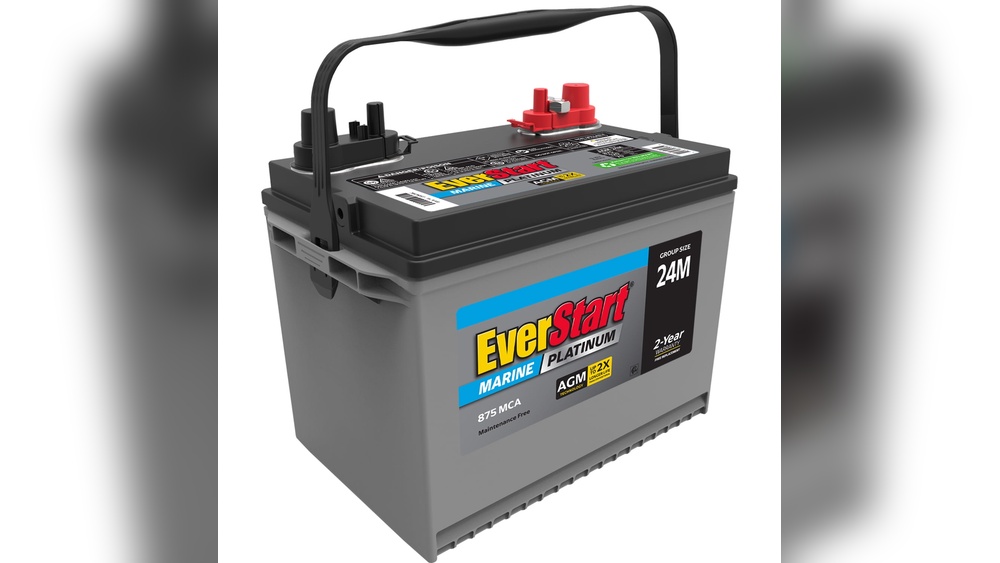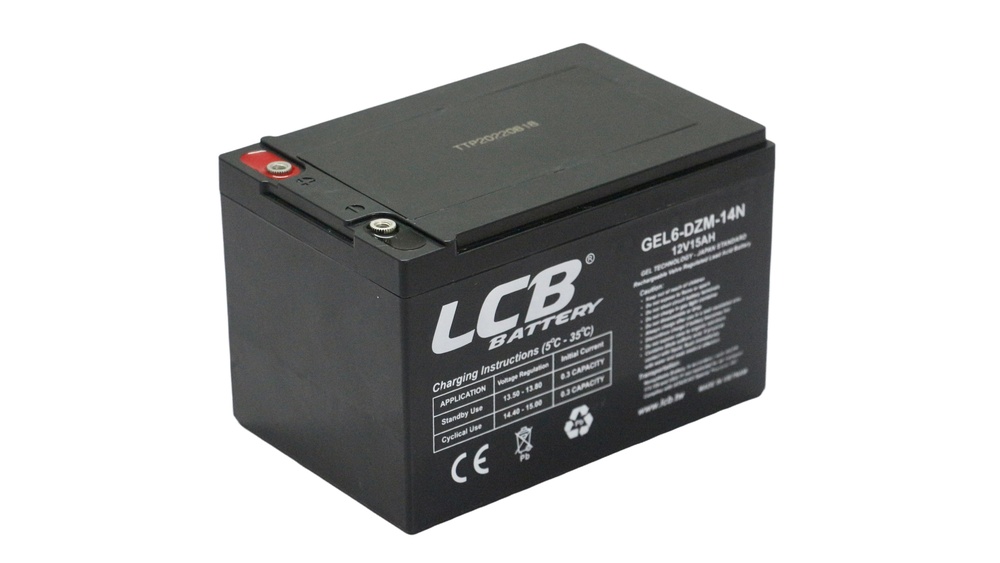
If you rely on batteries to power your devices, vehicles, or backup systems, understanding VRLA technology can make a big difference in your experience. VRLA, or Valve Regulated Lead Acid batteries, are designed to be low-maintenance and highly reliable.
Unlike traditional lead-acid batteries, VRLA batteries don’t need you to check or add water regularly. This means less hassle for you and more consistent power when you need it most. You’ll discover how VRLA technology works, why it’s a smart choice for many applications, and what makes it stand out from other battery types.
Ready to learn how VRLA batteries can enhance your power solutions? Let’s dive in.
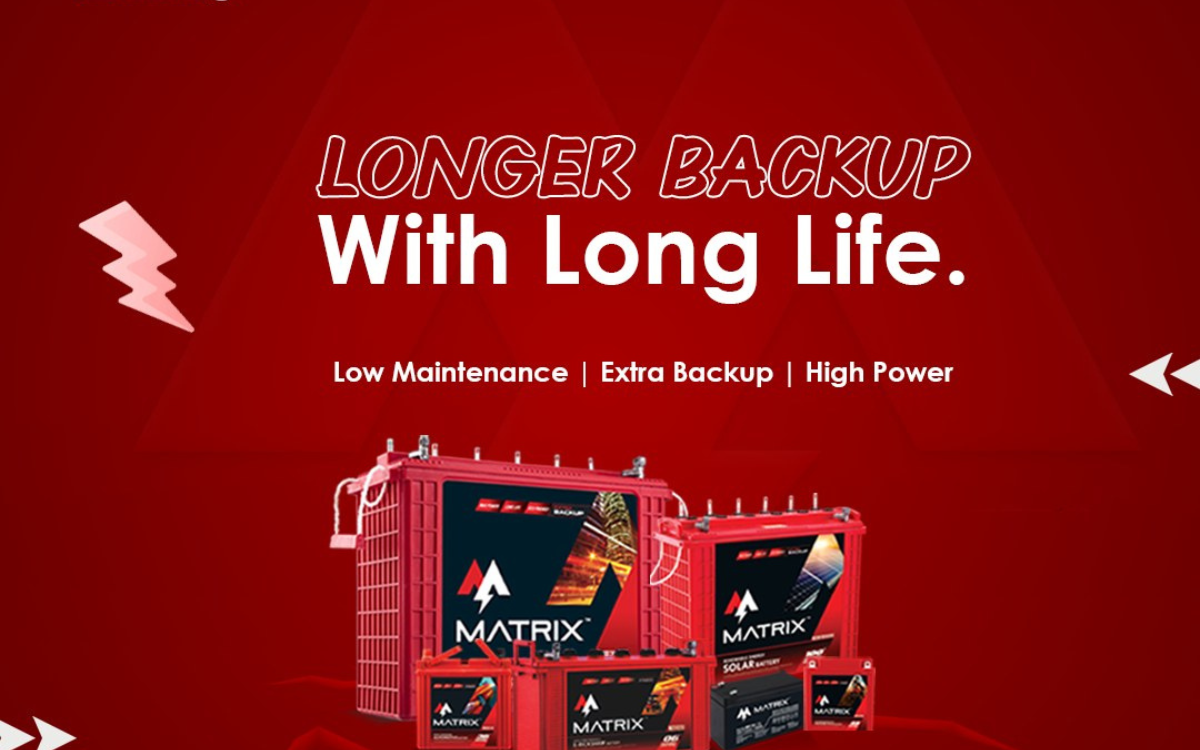
Credit: matrix-battery.com
Basics Of Vrla Technology
Valve Regulated Lead Acid (VRLA) technology is a popular choice for rechargeable batteries. It offers a low-maintenance design that fits many power needs. VRLA batteries are sealed, making them safer and easier to use than traditional lead-acid types. They are widely used in backup power systems, solar energy storage, and electric vehicles. Understanding the basics helps you choose the right battery for your application.
Construction And Design
VRLA batteries have a sealed case that prevents leaks. Inside, they use lead plates submerged in an electrolyte solution. The electrolyte is either absorbed in a glass mat or turned into a gel. This design stops the liquid from spilling. A safety valve controls gas pressure inside the battery. This valve opens only if pressure gets too high. This setup reduces water loss and the need for maintenance.
Types Of Vrla Batteries
There are two main types of VRLA batteries: AGM and Gel. AGM stands for Absorbent Glass Mat. It traps the electrolyte in a thin glass fiber mat. Gel batteries use a thick, jelly-like electrolyte. Gel is made by adding silica to the liquid. Both types are sealed and do not require watering. AGM batteries deliver high power and fast charging. Gel batteries handle deep discharges well and work better in hot conditions.
How Vrla Differs From Conventional Batteries
Conventional lead-acid batteries are flooded with liquid electrolyte. They need regular water refills to replace lost moisture. VRLA batteries keep gases inside using a pressure valve. This stops water loss and reduces maintenance. Also, VRLA batteries are safer because they prevent acid spills. They can be placed in any position without risk. These features make VRLA batteries more reliable for many uses.
Key Features Of Vrla Batteries
VRLA batteries are popular for their durability and user-friendly design. Their technology improves safety and reliability compared to traditional lead-acid batteries. Below are some key features that define VRLA batteries and explain why they are widely used in many applications.
Valve Regulation Mechanism
The valve regulation mechanism controls internal gas pressure. It releases excess gas to prevent damage. This valve keeps the battery sealed and safe. It helps maintain optimal pressure inside the battery. The valve only opens when pressure exceeds set limits.
Maintenance Requirements
VRLA batteries need very little maintenance. They are sealed, so no water refilling is needed. This reduces the risk of leaks and spills. Users save time and effort on upkeep. The design allows for long service life with minimal care.
Gas Recombination Process
The gas recombination process recycles oxygen inside the battery. Oxygen generated during charging recombines with hydrogen. This forms water, preventing gas loss. It keeps electrolyte levels stable over time. This process enhances safety and battery efficiency.
Advantages Over Traditional Batteries
VRLA technology offers clear advantages over traditional batteries. These batteries use a sealed design that controls gas release. They need less maintenance and provide better performance in various conditions. Users benefit from improved safety, durability, and reliability compared to older battery types.
Enhanced Safety Measures
VRLA batteries are sealed to prevent acid leaks. They control internal gas pressure with valves. This design reduces the risk of explosions or fires. No need to add water lowers the chance of spills. Overall, these batteries offer safer use in homes and vehicles.
Performance In Extreme Temperatures
VRLA batteries work well in cold and hot weather. Traditional batteries may lose power or get damaged in heat or frost. VRLA design keeps the electrolyte stable in harsh climates. This means reliable starts and steady power delivery in many environments. They suit outdoor and industrial uses perfectly.
Longer Lifespan And Reliability
VRLA batteries last longer than many traditional types. Their sealed construction prevents contamination and corrosion inside. Less maintenance means fewer chances of failure. They hold charge better over time and cycles. Users get dependable power with fewer replacements and lower costs.
Common Applications Of Vrla Batteries
Valve Regulated Lead Acid (VRLA) batteries serve many important roles across different industries. Their sealed design makes them low maintenance and reliable. VRLA batteries provide steady power where a constant supply is crucial. Their versatility suits varied environments and applications. The following are some common uses of VRLA batteries.
Uninterruptible Power Supplies
VRLA batteries are a key component in uninterruptible power supplies (UPS). They keep devices running during power outages. This prevents data loss and equipment damage. Offices, hospitals, and data centers rely on UPS systems. VRLA batteries provide backup power fast and efficiently. Their sealed design avoids spills and requires minimal upkeep.
Renewable Energy Storage
Renewable energy systems use VRLA batteries to store power. Solar and wind setups need reliable energy storage solutions. VRLA batteries store electricity generated during peak times. This power is available when the sun sets or wind slows. Their ability to work in varied temperatures is a big advantage. These batteries help make renewable energy more practical and stable.
Telecommunications And Industrial Use
Telecom towers and industrial sites depend on VRLA batteries. They ensure continuous operation of critical communication equipment. VRLA batteries provide power in remote areas with limited grid access. Industries use them to back up machinery and control systems. Their durability and safety features make them a top choice. VRLA batteries support essential infrastructure day and night.
Recent Innovations In Vrla Technology
Valve Regulated Lead Acid (VRLA) technology has seen notable improvements recently. These advancements enhance battery life, safety, and efficiency. Engineers focus on refining materials and systems for better performance. The innovations make VRLA batteries more reliable for various applications.
Improved Electrolyte Formulations
New electrolyte formulas increase battery capacity and lifespan. These formulations reduce corrosion inside the battery cells. They also minimize water loss, lowering maintenance needs. The improved electrolytes help batteries work well in extreme temperatures.
Advanced Separator Materials
Separators now use stronger, more porous materials. These allow better ion flow while preventing short circuits. The new materials improve battery safety by reducing overheating risks. They also extend the battery’s service life by enhancing stability.
Smart Battery Management Systems
Smart systems monitor battery health and charge levels continuously. They adjust charging rates to avoid overcharging or deep discharging. This technology helps prevent battery damage and improves efficiency. Smart management also alerts users to potential issues early.
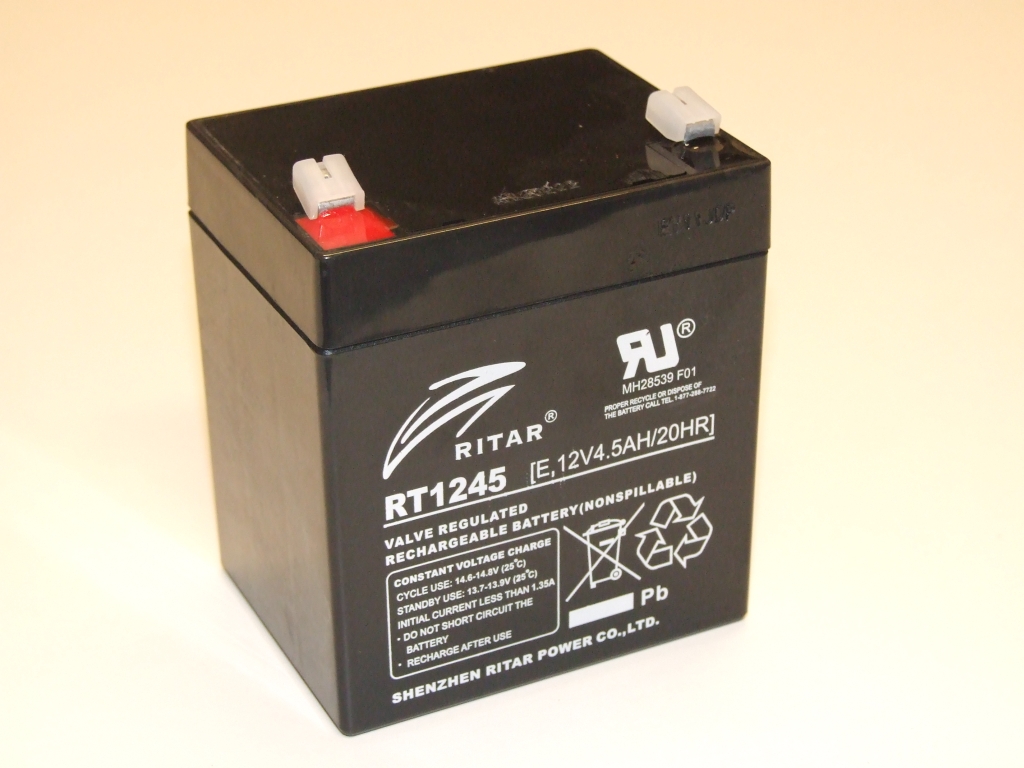
Credit: commons.wikimedia.org
Challenges And Limitations
Valve Regulated Lead Acid (VRLA) technology offers many benefits but also faces several challenges. These limitations affect its use in various applications and environments. Understanding these issues helps in making better choices for energy storage.
Capacity And Energy Density Constraints
VRLA batteries have lower energy density compared to other types. They store less energy in the same size and weight. This limits their use where space and weight are critical. Larger battery banks may be needed for higher capacity needs.
Because of this, VRLA batteries are less ideal for portable devices or electric vehicles. They work better in stationary applications with stable space and weight requirements.
Environmental Impact And Recycling
Lead is toxic and poses environmental risks if not handled properly. VRLA batteries contain lead and acid, which require special recycling processes. Improper disposal can cause soil and water pollution.
Recycling VRLA batteries is possible but not always done efficiently worldwide. This creates environmental concerns and regulatory challenges. Users must follow strict guidelines for disposal and recycling.
Cost Considerations
VRLA batteries generally cost more upfront than traditional flooded lead-acid batteries. The sealed design and maintenance-free features add to production costs. This higher price can be a barrier for some users.
Despite higher initial costs, VRLA batteries reduce maintenance expenses over time. Still, the total cost must be evaluated based on specific needs and budgets.
Future Trends In Energy Storage
Energy storage technology is evolving quickly. New trends in this field will shape how we store and use power. Advances in battery design and integration will improve efficiency and reliability.
These trends will make energy storage systems more compatible with renewable sources. They will also increase battery life and reduce costs. Understanding these changes helps us prepare for a cleaner energy future.
Integration With Renewable Energy
VRLA batteries are increasingly used with solar and wind power. They store excess energy for use during low production times. This helps balance supply and demand in power grids. Improved battery management systems enhance this integration. It leads to more stable and efficient renewable energy use.
Hybrid Battery Systems
Combining VRLA batteries with other types is becoming popular. Hybrid systems use the strengths of different batteries. For example, VRLA batteries provide steady power, while lithium-ion offers high energy density. This mix improves overall performance and lifespan. Hybrid systems also adapt better to different energy needs.
Emerging Alternatives To Vrla
New battery technologies are emerging as alternatives to VRLA. These include lithium-ion, flow batteries, and solid-state batteries. They offer advantages like lighter weight and faster charging. However, VRLA batteries remain reliable and affordable. Future energy storage may use a combination of these technologies.
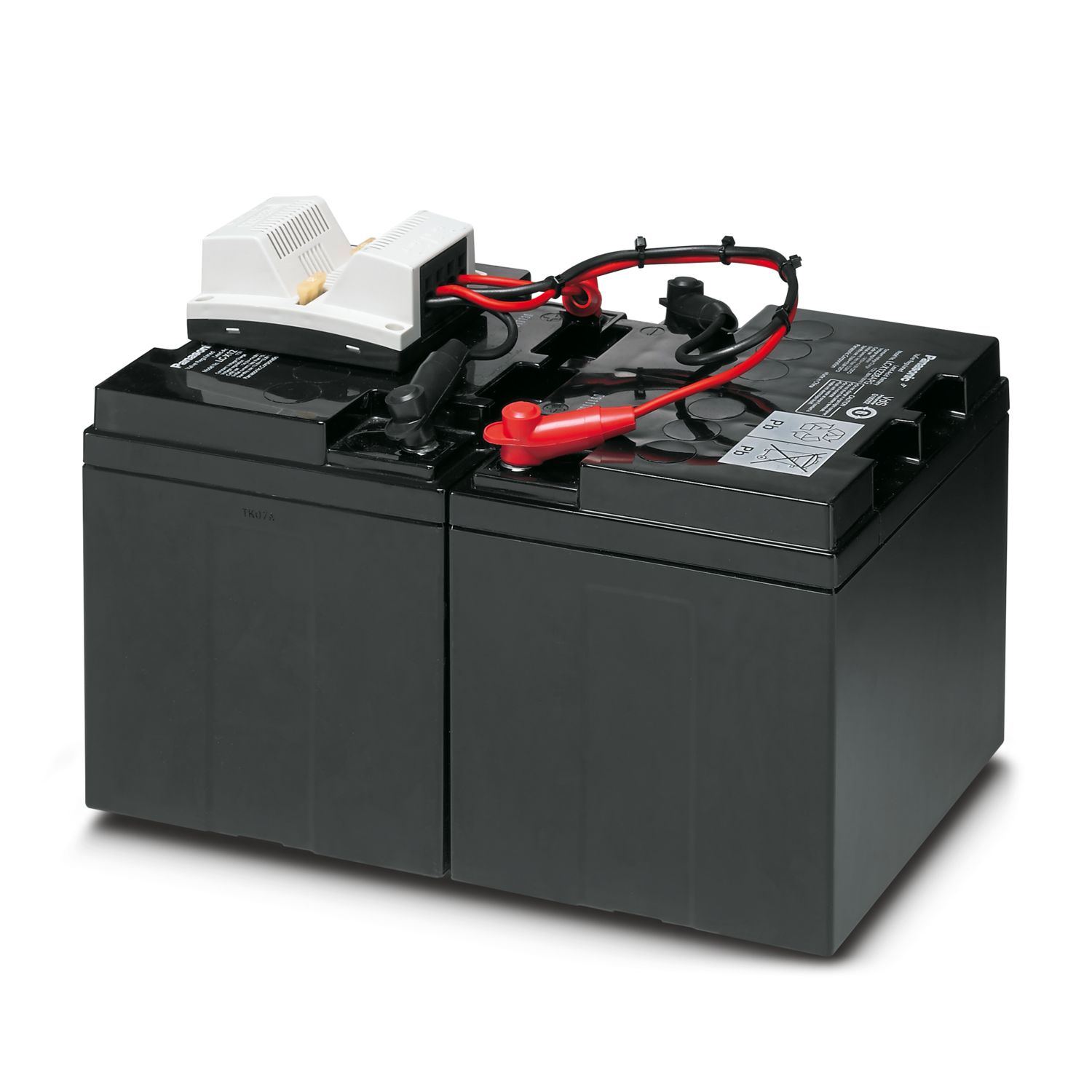
Credit: www.phoenixcontact.com
Frequently Asked Questions
What Is Vrla Technology?
VRLA technology uses valve-regulated lead-acid batteries with sealed, low-maintenance designs. They prevent gas escape and need no water refilling.
What Are Three Types Of Vrla Batteries?
The three types of VRLA batteries are Absorbed Glass Mat (AGM), Gel, and Sealed Valve Regulated Wet Cell. Each type offers unique electrolyte designs for specific uses.
Is The Vrla Battery Good?
VRLA batteries offer reliable, low-maintenance power with sealed construction. They perform well in extreme temperatures and require no water refilling. Their design prevents gas escape, enhancing safety and lifespan. Ideal for backup power, UPS, and renewable energy systems, VRLA batteries provide efficient, durable energy storage solutions.
What Is The Difference Between A Vrla Battery And A Normal Battery?
A VRLA battery is sealed and maintenance-free, retaining gases internally. A normal battery is flooded, requires water refills, and vents gases.
Conclusion
VRLA technology offers reliable, low-maintenance battery solutions. These batteries work well in many temperatures. They seal gases inside, so no water is needed. VRLA batteries come in different types like AGM and gel. They support various uses, from small devices to large systems.
Choosing VRLA means fewer worries about upkeep and better performance. It’s a smart choice for lasting power needs. Understanding VRLA helps make informed battery decisions. This technology continues to be a practical option worldwide.