Off-roading with your Jeep is more than just a thrilling adventure; it’s a lifestyle that embodies freedom and exploration. Whether you’re a seasoned off-roader or new to the sport, understanding how to navigate rugged terrains, handle challenges, and ensure your vehicle’s readiness is key to a successful off-roading experience. This ultimate guide will provide you with everything you need to know to make the most of your Jeep off-road adventures.
Table of Contents
Toggle**1. *Prepare Your Jeep for Off-Roading*
Why It Matters: Proper preparation ensures that your Jeep is equipped to handle the demands of off-roading and reduces the risk of breakdowns.
What to Do:
- Check Tires: Ensure your tires are suitable for off-road conditions. High-performance all-terrain or mud-terrain tires offer better traction and durability. Check tire pressure and adjust based on terrain conditions.
- Inspect Fluids: Verify that all essential fluids (engine oil, transmission fluid, coolant, brake fluid) are at proper levels and in good condition. Off-roading can put extra strain on these systems.
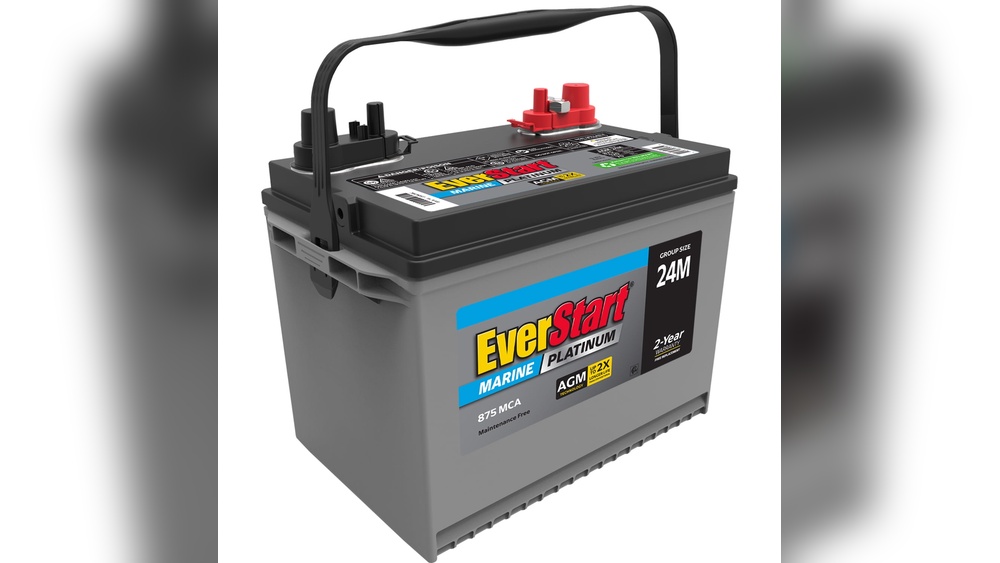
- Review the Battery: Ensure the battery is securely mounted and in good condition. Off-road vibrations can affect battery performance.
**2. *Equip Your Jeep with Essential Gear*
Why It Matters: Proper gear enhances safety, performance, and convenience during off-road adventures.
Must-Have Gear:
- Winch Kit: A winch is invaluable for self-recovery or assisting others if you get stuck. Choose a winch with sufficient load capacity for your Jeep.
- Recovery Straps: Recovery straps or tow straps are crucial for towing or being towed. They’re stronger and more flexible than traditional chains.
- Jack and Jack Stands: A high-lift jack or a heavy-duty jack is essential for changing tires or making repairs in remote areas.
- Tool Kit: A comprehensive tool kit should include wrenches, screwdrivers, pliers, and other essential tools for on-the-go repairs.
**3. *Understand Off-Roading Techniques*
Why It Matters: Mastering off-roading techniques will help you navigate challenging terrains safely and effectively.
Key Techniques:
- Throttle Control: Use smooth and gradual throttle inputs to maintain traction. Avoid sudden acceleration that could cause wheel spin.
- Steering: Keep the steering wheel steady and make gradual turns. Over-correcting can lead to loss of control.
- Braking: Use engine braking and gentle braking to avoid skidding. Avoid heavy braking on loose or uneven surfaces.
- Approach and Departure Angles: Understand the approach and departure angles of your Jeep to prevent damage to the front or rear bumpers when navigating steep inclines or declines.
**4. *Know Your Terrain*
Why It Matters: Different terrains require different strategies and techniques. Understanding the terrain helps you prepare and adjust your driving style accordingly.
Types of Terrain:
- Mud: When driving in mud, reduce tire pressure for better traction and avoid spinning the wheels. Maintain a steady speed and avoid sudden movements.
- Sand: For sandy terrain, lower your tire pressure to increase surface area and avoid getting stuck. Drive in a straight line to prevent digging in.
- Rock: When climbing rocks, use careful throttle control and avoid sudden movements. Use your spotter to guide you through challenging sections.
- Snow and Ice: Reduce speed and increase following distance. Use low gear for better control and avoid abrupt movements to prevent skidding.
**5. *Practice Safety First*
Why It Matters: Safety is paramount in off-roading to prevent accidents and injuries. Proper preparation and precautions ensure a safer off-roading experience.
Safety Tips:
- Use Seat Belts: Always wear seat belts to protect yourself in case of sudden movements or accidents.
- Drive with a Spotter: When navigating challenging terrain, have a spotter guide you to avoid obstacles and potential hazards.
- Stay on Designated Trails: Stick to established trails to avoid damaging the environment and to minimize the risk of getting lost.
- Check Weather Conditions: Be aware of weather conditions that can affect off-roading, such as rain, snow, or extreme heat.
**6. *Follow Proper Maintenance Practices*
Why It Matters: Regular maintenance ensures your Jeep remains in optimal condition and ready for off-road challenges.
- Post-Trail Inspection: After each off-road trip, inspect your Jeep for any damage or wear. Check for leaks, loose bolts, and damage to the undercarriage.
- Clean and Protect: Clean your Jeep thoroughly to remove mud, dirt, and debris. Apply rust protection to prevent corrosion.
- Routine Service: Adhere to the manufacturer’s maintenance schedule, including oil changes, filter replacements, and fluid checks.
**7. *Know Your Jeep’s Capabilities*
Why It Matters: Understanding your Jeep’s capabilities helps you push its limits safely and effectively.
Key Capabilities:
- Ground Clearance: Know your Jeep’s ground clearance to avoid scraping the undercarriage on obstacles.
- Approach and Departure Angles: Be aware of the angles to prevent bumper damage when navigating steep inclines or declines.
- Four-Wheel Drive System: Familiarize yourself with your Jeep’s four-wheel drive system and how to engage low-range gearing for challenging terrains.
**8. *Join Off-Roading Communities*
Why It Matters: Engaging with off-roading communities provides valuable resources, advice, and support for your adventures.
Ways to Engage:
- Online Forums and Groups: Join online forums and social media groups dedicated to Jeep off-roading. Share experiences, ask for advice, and stay updated on the latest trends.
- Local Clubs and Events: Participate in local off-roading clubs and events to connect with other enthusiasts and learn from experienced drivers.
**9. *Plan Your Routes and Trips*
Why It Matters: Planning ensures you are prepared for your off-road adventure and helps avoid getting lost or encountering unexpected challenges.
Planning Tips:
- Research Trails: Research trails and routes beforehand to understand their difficulty level and any potential hazards.
- Prepare a Route Map: Carry a detailed map or GPS device to navigate unfamiliar areas and ensure you can find your way back.
- Inform Others: Let someone know your planned route and expected return time for safety purposes.
**10. *Respect the Environment*
Why It Matters: Respecting the environment preserves natural landscapes and promotes responsible off-roading practices.
Environmental Tips:
- Leave No Trace: Follow the Leave No Trace principles by avoiding damage to vegetation and removing any trash or waste.
- Stay on Designated Trails: Stick to established trails to minimize environmental impact and prevent erosion.
- Follow Regulations: Adhere to local regulations and guidelines for off-roading to ensure sustainable practices.
Final Thoughts
Off-roading with your Jeep Wrangler is an exhilarating way to explore the outdoors and challenge your driving skills. By preparing your Jeep, equipping it with essential gear, mastering off-roading techniques, and respecting the environment, you can ensure a rewarding and safe off-road experience.
Remember, the key to successful off-roading is a combination of preparation, knowledge, and respect for nature. Embrace the adventure, drive safely, and enjoy every moment of your off-road journey!
For more tips, gear recommendations, and off-roading insights, stay tuned to our blog and keep exploring the possibilities with your Jeep Wrangler.