When it comes to choosing the right battery for your vehicle, understanding the difference between EFB and AGM batteries can save you time, money, and hassle. You might wonder which one fits your driving habits and vehicle needs better.
Are you looking for a reliable battery for a basic start-stop system, or do you need something more powerful to handle high electrical demands? This guide will break down everything you need to know about EFB vs AGM batteries—how they work, their pros and cons, and which is the smarter choice for your car.
Keep reading, because picking the right battery could make all the difference in your vehicle’s performance and lifespan.
Credit: www.bravabatteries.com
Efb And Agm Battery Basics
EFB and AGM batteries power many modern cars. Both types improve on traditional flooded batteries. They offer better performance and reliability. Understanding their basics helps in choosing the right battery.
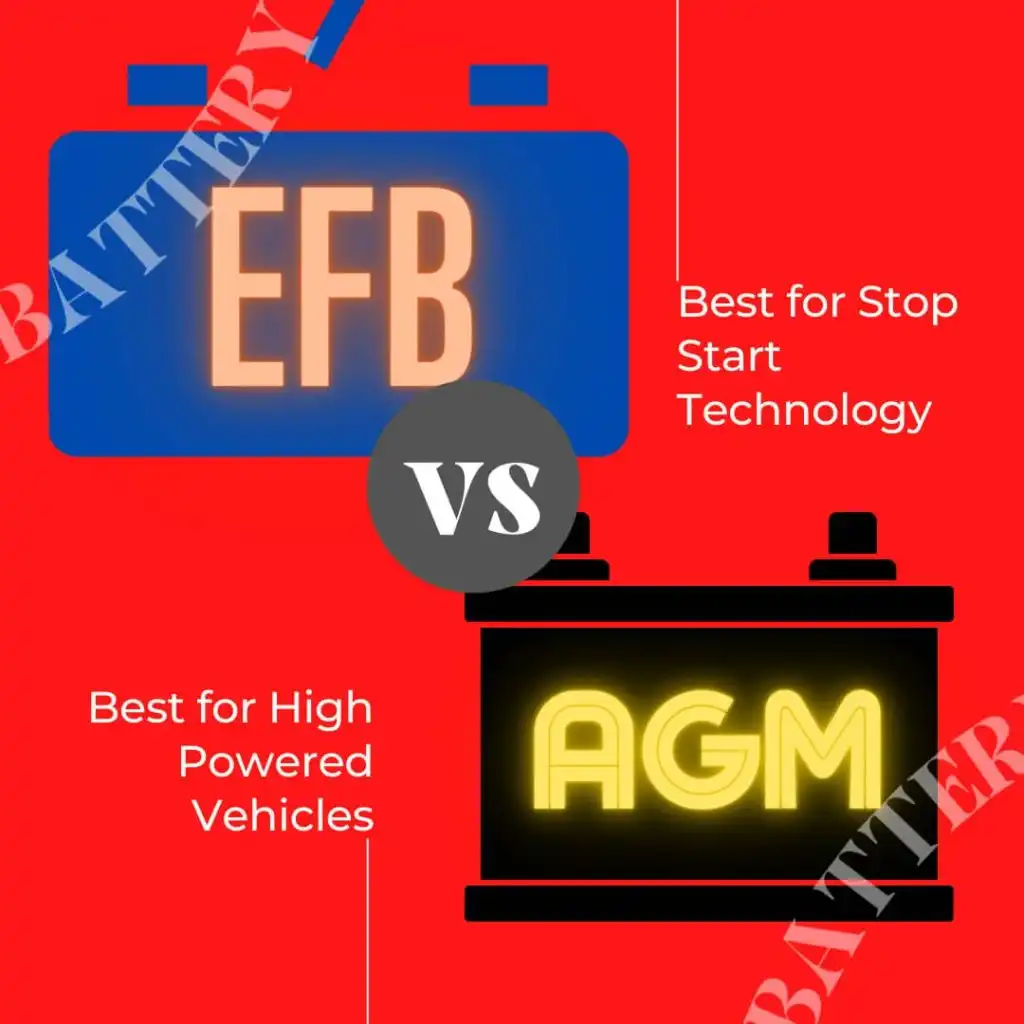
EFB suits cars with simple start-stop systems. AGM fits vehicles with high electrical demands. Each battery type has unique features and designs.
Construction Differences
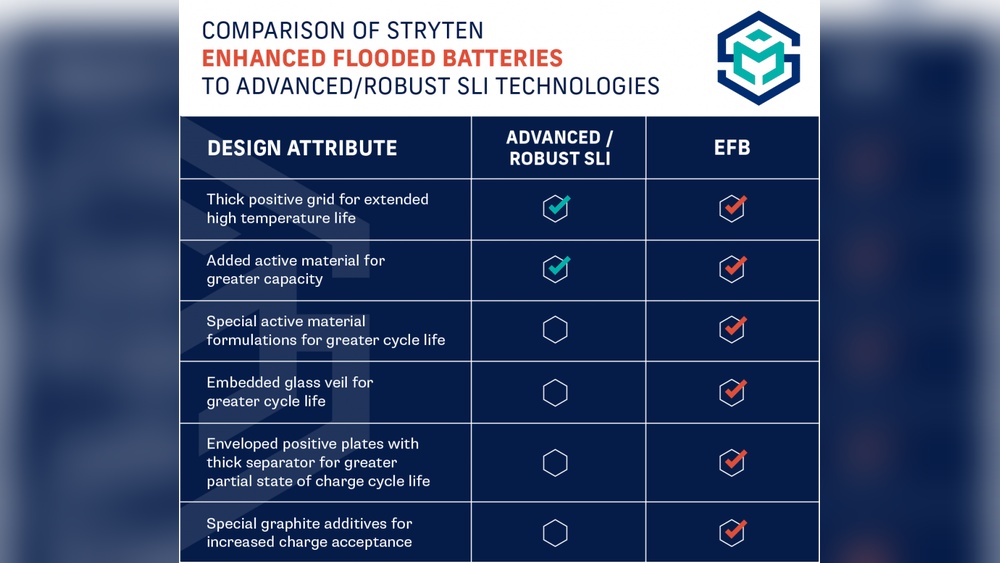
EFB batteries have a similar build to flooded batteries. They use thicker plates and special additives to last longer. AGM batteries use a different structure with glass mats. These mats hold the electrolyte tightly. This design makes AGM batteries strong and shock-resistant.
Electrolyte And Plate Design
EFB batteries use liquid electrolyte that moves freely inside. The plates contain carbon additives to improve charge acceptance. AGM batteries trap electrolyte in glass mats. The plates are thinner and more tightly packed. This helps AGM batteries deliver higher power quickly.
Sealing And Maintenance
Both EFB and AGM batteries are sealed and maintenance-free. They do not need water refilling like flooded batteries. The sealed design prevents leaks and reduces gas release. This makes them safer and cleaner for everyday use.
-min_1716284896.png)
Credit: www.fasttrackemarat.com
Performance Comparison
Comparing EFB and AGM batteries reveals key differences in their performance. Each type suits different vehicle needs and driving styles. Understanding their strengths helps in choosing the right battery.
Performance affects how well a battery handles charging, how long it lasts, and its overall durability. These factors matter for daily use and long-term reliability.
Charge Acceptance
EFB batteries accept charge quickly during low to moderate electrical demand. This suits cars with basic start-stop systems. AGM batteries handle higher charge rates efficiently. They recharge faster after heavy use. AGM technology supports vehicles with many electronic components. This allows better energy storage during frequent stops.
Cycling Durability
EFB batteries offer good cycling durability for normal driving conditions. They can endure many start-stop cycles without losing performance. AGM batteries excel at deep cycling and high load conditions. Their design prevents acid stratification and internal damage. This makes AGM ideal for vehicles that stop and start often or run many accessories.
Lifespan Expectations
EFB batteries typically last around 3 to 4 years under regular use. They provide reliable service with proper maintenance. AGM batteries have a longer lifespan, usually 4 to 6 years. Their sealed design protects against vibration and harsh conditions. AGM batteries maintain performance longer in demanding environments.
Best Use Cases
Choosing between EFB and AGM batteries depends on your vehicle type and driving habits. Each battery suits specific uses. Knowing the best use cases helps you pick the right one for your car.
EFB batteries work well for cars with simpler start-stop systems. AGM batteries handle higher power needs and more complex electronics.
Start-stop Vehicles
EFB batteries fit vehicles with basic start-stop technology. They offer reliable performance for engines that stop and start frequently. These batteries handle many charge cycles without losing power. EFB is cost-effective for daily city driving with moderate electrical demands.
Hybrid And High-demand Cars
AGM batteries serve hybrid cars and vehicles with many electric features. They support heavier electrical loads from devices like advanced infotainment systems. AGM batteries last longer and provide stable power under stress. They also perform better in extreme weather conditions.
Short Trip Driving
Short trips cause batteries to recharge less fully. AGM batteries manage this well due to their superior charge acceptance. They resist sulfation and maintain capacity over time. EFB batteries may degrade faster with frequent short trips. AGM is ideal for stop-and-go traffic and urban driving.
Cost And Value
Understanding the cost and value of EFB and AGM batteries helps you make a smart choice. Price is not the only factor. Value includes performance, durability, and replacement needs. Both battery types serve different vehicle requirements and budgets.
Choosing the right battery means looking beyond the sticker price. Consider how each battery performs over time. This section explains cost differences and long-term investment benefits. Also, it covers what to expect when replacing these batteries.
Price Differences
EFB batteries usually cost less than AGM batteries. This makes EFB a budget-friendly option. AGM batteries are more expensive due to advanced design and materials. The higher price reflects better performance and durability. Prices vary by brand and battery size, but the price gap remains clear.
Long-term Investment
AGM batteries last longer and handle more cycles. This means fewer replacements over time. EFB batteries have good durability but shorter lifespan. Spending more on AGM may save money in the long run. AGM suits vehicles with high electrical demands. EFB works well for simpler start-stop systems.
Replacement Considerations
Replacing an EFB battery can be cheaper upfront. AGM battery replacement costs more but happens less often. Some vehicles require a specific battery type for warranty or performance. Switching from EFB to AGM is possible but check compatibility first. Proper installation and maintenance extend battery life.
Advantages And Limitations
Understanding the advantages and limitations of EFB and AGM batteries helps choose the right one. Both types suit modern vehicles but serve different needs. Each has unique strengths and weaknesses that affect performance and lifespan. Knowing when to avoid each type can save money and improve vehicle reliability.
Efb Strengths And Weaknesses
EFB batteries offer good cycling durability. They work well with basic start-stop systems. EFBs cost less than AGM batteries, making them budget-friendly. They handle moderate electrical loads effectively. Their design improves flooded battery technology with carbon additives.
On the downside, EFB batteries have a shorter lifespan than AGMs. They struggle with very high electrical demands. EFBs are less resistant to deep discharges. They are not ideal for vehicles with complex electrical systems. Maintenance can be higher compared to AGM batteries.
Agm Strengths And Weaknesses
AGM batteries provide excellent power and longer life. They support vehicles with heavy electrical loads. AGM batteries resist vibration and extreme temperatures well. They recharge faster and tolerate deep discharges better. Their sealed design reduces maintenance needs.
AGMs cost more than EFB batteries. They are sensitive to overcharging and high voltages. This sensitivity can shorten their lifespan if not managed properly. AGM batteries may not be necessary for vehicles with simple electrical systems. They require compatible charging systems to avoid damage.
When To Avoid Each Type
Avoid EFB batteries in vehicles with advanced start-stop or hybrid systems. They may not handle the high energy demands well. Also, skip EFBs if you need long battery life under tough conditions. Choose AGM batteries carefully if your vehicle’s charging system is older or unregulated. Overcharging can harm AGM batteries quickly.
Do not use AGM batteries if your vehicle has low electrical needs or basic start-stop functions. Their higher cost and sensitivity may not justify the benefits. For cars driven mostly on long trips with steady engine speeds, EFB can be sufficient and more economical.
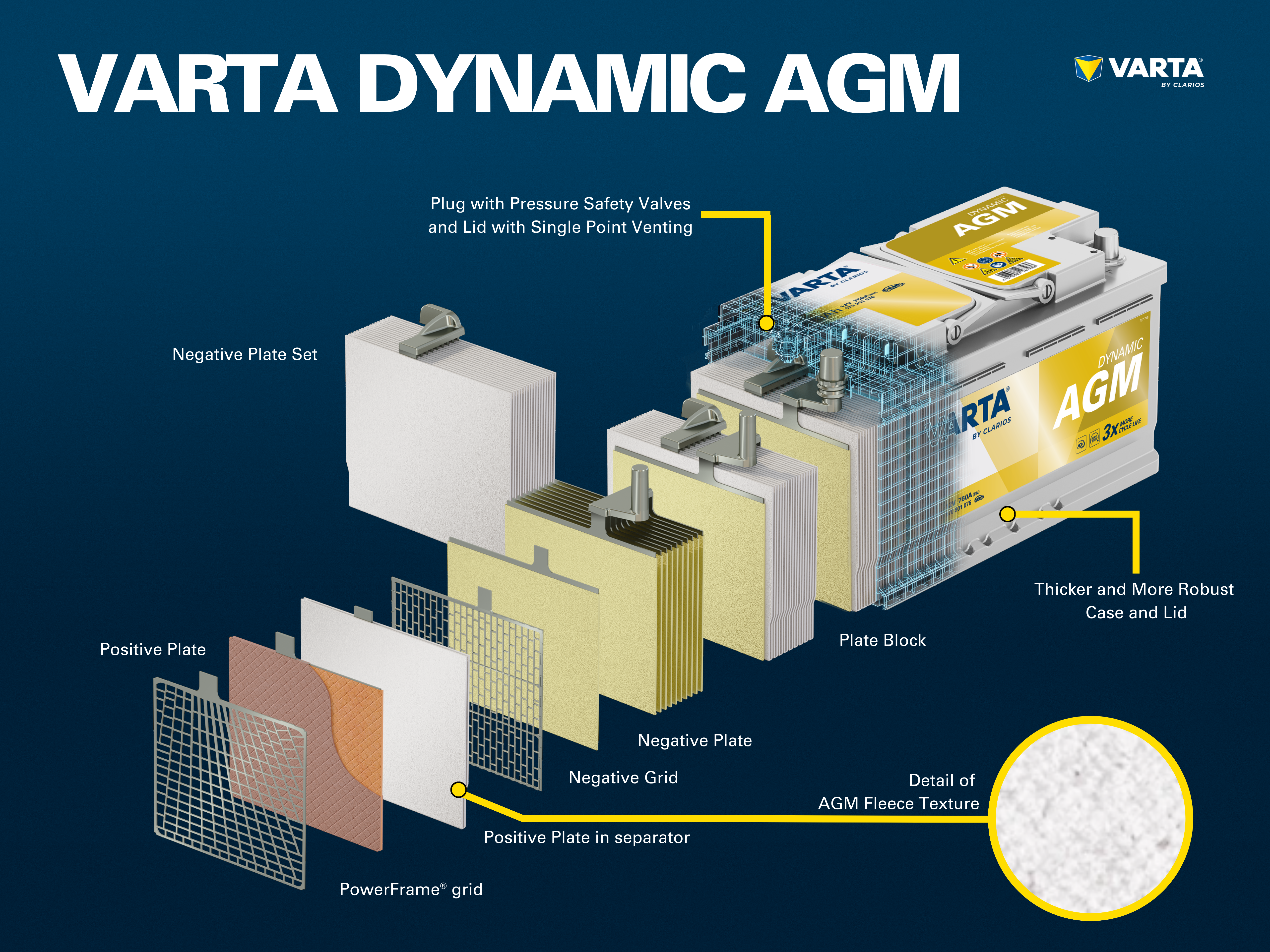
Credit: www.varta-automotive.com
Installation And Compatibility
Choosing between EFB and AGM batteries involves understanding their installation needs and compatibility with your vehicle. Proper installation ensures safety and optimal battery performance. Compatibility affects how well the battery works with your car’s electrical system. This section explains key points about installing and using these batteries in different vehicles.
Replacing Efb With Agm
AGM batteries can replace EFB batteries in many cases. They fit in the same battery compartment as EFBs. AGM offers better performance and longer life. Still, check your vehicle manual for any special instructions. Some vehicles require reprogramming the battery management system after replacement. Failure to do so may affect battery charging and warranty.
Compatibility With Vehicle Systems
EFB batteries suit cars with simple start-stop systems. AGM batteries support advanced start-stop and hybrid systems. AGM is better for vehicles with many electrical components. These include infotainment, navigation, and safety systems. Using the wrong battery type may cause charging issues or reduce battery life. Always confirm compatibility with your vehicle’s specifications or a professional mechanic.
Impact On Fuel Efficiency
AGM batteries improve fuel efficiency slightly in start-stop vehicles. They handle frequent engine restarts better than EFBs. This reduces fuel consumption during city driving. EFB batteries still provide decent fuel savings at a lower cost. Choosing AGM can be worth it for heavy urban driving. For occasional use, EFB remains a practical choice.
Frequently Asked Questions
Which Is Better Agm Or Efb Battery?
AGM batteries offer higher power, longer lifespan, and better performance for high-demand vehicles. EFB batteries suit basic start-stop systems and cost less. Choose AGM for advanced electrical needs; pick EFB for affordability and moderate cycling durability.
Can You Replace An Efb With An Agm Battery?
Yes, you can replace an EFB with an AGM battery. AGM offers better performance and longer life, especially for high electrical demand vehicles. AGM improves start-stop efficiency and fuel economy but costs more. Ensure compatibility with your vehicle’s system before switching.
Do I Really Need An Efb Battery?
You need an EFB battery if your vehicle uses basic start-stop technology or mild hybrid systems. It offers improved durability and cost-effectiveness. For high-demand vehicles or frequent short trips, consider an AGM battery instead.
When Not To Use An Agm Battery?
Avoid AGM batteries in overcharging or high voltage conditions, as these shorten their lifespan. They also suit less basic start-stop systems poorly.
Conclusion
Choosing between EFB and AGM batteries depends on your vehicle’s needs. EFB batteries fit well with basic start-stop cars and hybrids. They offer good durability at a lower cost. AGM batteries handle higher electrical demands and frequent short trips better.
They last longer and provide stronger power. Consider your driving habits and vehicle type before deciding. Both battery types improve over traditional flooded batteries. Picking the right one keeps your vehicle running smoothly and efficiently.