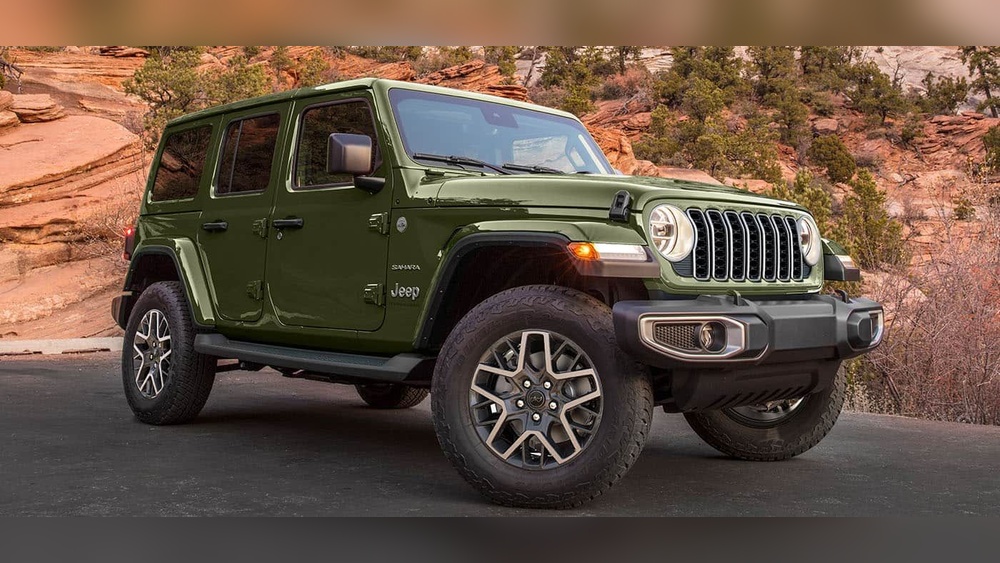
Are you wondering whether a Jeep or a truck is the right vehicle for your next adventure? You might think they’re similar, but there’s more to these vehicles than meets the eye.
Understanding the key differences can help you make smarter choices for your lifestyle, budget, and needs. Keep reading, and you’ll discover what sets a Jeep apart from a truck—and why that matters to you.
Table of Contents
ToggleJeep Vs Truck Basics
Understanding the basics of a Jeep versus a truck helps you see their main differences. Both have strong builds and can handle rough roads. Yet, they serve different needs and styles. This section breaks down their origins and main uses.
Origins And History
Jeeps began as military vehicles in World War II. They were small, light, and easy to drive on tough land. After the war, they became popular for outdoor fun and daily driving.
Trucks have a longer history. They started as work vehicles to carry heavy loads. Over time, trucks grew bigger and stronger. They became essential for farming, building, and hauling goods.
Primary Uses
Jeeps suit off-road adventures and exploring nature. Their design focuses on agility and rough terrain. People use Jeeps for camping, trail rides, and city driving too.
Trucks are mainly for work and transport. They carry large cargo, tools, and equipment. Many trucks also offer towing power for trailers and boats.
Design And Build
The design and build of a Jeep and a truck show key differences. These differences affect how they look and perform. Both have unique features that suit different needs. Understanding these helps you pick the right vehicle.
Body Style And Size
Jeeps have a compact body style. They are smaller and often more square-shaped. This design helps them move easily on rough trails. Trucks usually have a larger body. They have a long bed at the back for carrying cargo. Their size makes them better for heavy-duty work.
Chassis And Frame
Jeeps use a strong but lighter frame. This frame supports off-road driving and flexibility. Trucks have a heavier, more rigid frame. This frame holds more weight and handles tough loads. The truck’s frame is built for power and durability.
Performance Features
Performance features define how well a vehicle handles different tasks and terrains. Jeeps and trucks have unique strengths in this area. Understanding their engine options and off-road capabilities helps to see what suits your needs better.
Engine Options
Jeeps usually have smaller, efficient engines. These engines focus on torque for better control on rough paths. Trucks often offer larger engines. They provide more horsepower and towing power for heavy loads. Engine size impacts fuel use and speed. Jeep engines prioritize balance between power and economy. Truck engines prioritize strength and durability.
Off-road Capabilities
Jeeps are built for challenging off-road adventures. They have features like high ground clearance and advanced four-wheel drive systems. These help them move over rocks, mud, and uneven ground easily. Trucks can also handle off-road, but many focus on hauling and work tasks. Some trucks have off-road packages with special tires and suspension. Overall, Jeeps excel in tricky terrains. Trucks offer strength but may need upgrades for tough trails.
Cargo And Towing
Cargo and towing are key factors to consider when choosing between a Jeep and a truck. Both vehicles offer different strengths in carrying and pulling loads. Understanding these differences helps in picking the right vehicle for your needs.
Jeep models focus more on off-road ability and passenger comfort. Trucks, on the other hand, are built to handle heavier cargo and tougher towing tasks. Let’s explore how they compare in payload and towing capacity.
Payload Capacity
Payload capacity means how much weight a vehicle can carry in its bed or cabin. Trucks usually have a higher payload capacity than Jeeps. Most trucks can carry over 1,500 pounds of cargo.
Jeeps often carry less, usually under 1,000 pounds. Their design focuses on agility and off-road travel rather than heavy loads. This makes trucks better for hauling large items or construction materials.
Towing Abilities
Towing ability is the maximum weight a vehicle can pull safely. Trucks often tow large trailers, boats, or campers. Many trucks can tow over 10,000 pounds.
Jeeps tow lighter loads, often less than 3,500 pounds. They are ideal for small trailers or light recreational gear. Trucks offer more power and stability for heavy towing jobs.
Choosing between a Jeep or truck depends on your cargo and towing needs. Trucks excel at heavy work. Jeeps suit lighter, more flexible uses.
Comfort And Interior
Comfort and interior design play a big role in choosing between a Jeep and a truck. Both vehicles offer unique experiences inside. Jeep interiors focus on adventure and rugged use. Trucks prioritize space and utility but also provide comfort for long drives. Understanding their differences helps pick the right vehicle for your needs.
Seating And Space
Jeeps usually have smaller cabins. They fit four to five people comfortably. The seats often have firm cushioning for off-road stability. Space is tighter but cozy, designed for short trips or rough terrain.
Trucks offer more room inside. They have larger seats and legroom. Many trucks have crew cabs that fit five to six people. The seats are designed for comfort on long hauls. Extra space allows for easy movement and storage inside the cabin.
Technology And Features
Jeep interiors come with basic to moderate tech. Touchscreens, navigation, and off-road controls are common. Some models include removable tops and weatherproof materials.
Trucks provide a wider range of technology. Larger infotainment screens and advanced driver aids appear often. Features like heated seats and premium sound systems are common. Trucks focus on combining tech with practicality for daily use.
Cost And Maintenance
Cost and maintenance are key factors in choosing between a Jeep and a truck. Both vehicles serve different needs and come with varying expenses. Understanding these costs helps you make a smart purchase.
Purchase Price
Jeeps usually cost less than full-size trucks. Their compact size and simpler design lower the price. Trucks often have bigger engines and more features, raising their price. New trucks can be quite expensive compared to Jeeps.
Upkeep And Repairs
Jeeps tend to have lower maintenance costs. Their parts are often easier to find and cheaper. Trucks may need more costly repairs due to complex systems. Fuel costs for trucks are higher because of bigger engines. Regular upkeep is important for both to last long.
Choosing Between Jeep And Truck
Choosing between a Jeep and a truck depends on your needs and daily activities. Both vehicles offer unique benefits. Knowing how you plan to use the vehicle helps make the right choice. Consider your lifestyle and the places you drive most often. These points guide you to the best fit for your life.
Lifestyle Considerations
Jeeps suit people who enjoy outdoor fun and adventure. They are great for off-road trips and exploring nature. Trucks fit those who need to haul heavy items or tow trailers. They work well for jobs that require carrying tools or equipment. Think about what you carry daily and your hobbies. Your choice should match your regular activities and needs.
Driving Environment
Jeeps handle rough roads and trails with ease. They perform well in mud, snow, and rocky paths. Trucks offer power on highways and can manage tough loads. They are also good on city streets but may be larger to park. Consider the roads you use most often. Choose the vehicle that feels safer and easier to drive in your area.
How JeepKnowledge Can Help You with What is the Difference between a Jeep And a Truck?
Exploring Practical Learning from Jeep and Truck Differences
Understanding the distinctions between a Jeep and a truck goes beyond just identifying design and build differences or comparing cargo and towing capacities. For anyone diving into this topic, it presents a great opportunity to deepen practical knowledge about vehicle performance features and maintenance needs. For example, exploring how Jeep’s off-road capabilities influence suspension setups can inform your hands-on approach to vehicle care and upgrades.
At JeepKnowledge, enthusiasts and prospective buyers often find value in connecting these technical aspects with real-world experiences. Learning about comfort and interior variations can also guide decisions about daily usability versus rugged adventure readiness. Engaging with community-driven insights and expert advice fosters a well-rounded understanding, helping you make informed choices aligned with your lifestyle.
- Analyze how design impacts functionality in different terrains
- Compare maintenance routines for Jeep versus truck models
- Consider performance features that suit your specific needs
For those eager to explore further or clarify details, JeepKnowledge provides a helpful resource hub filled with detailed information and a community eager to share practical tips. Connecting with fellow enthusiasts can be a valuable part of your learning journey.
Frequently Asked Questions
What Are The Main Differences Between A Jeep And A Truck?
Jeeps are primarily designed for off-road capabilities and versatility. Trucks focus on cargo capacity, towing power, and utility. Jeeps offer better maneuverability on rugged terrain. Trucks provide larger beds for hauling goods and heavier payloads.
Which Vehicle Is Better For Off-road Driving, Jeep Or Truck?
Jeeps are generally better for off-road driving due to their compact size, high ground clearance, and advanced 4×4 systems. Trucks can handle off-road conditions but are often bulkier and less agile on rough trails.
Can Trucks Be Used For Recreational Activities Like Jeeps?
Yes, trucks can be used for recreational activities but are less specialized. Jeeps excel in activities like rock crawling and trail riding. Trucks are better for towing trailers, boats, or carrying large gear.
How Do Jeep And Truck Fuel Efficiencies Compare?
Jeeps typically have better fuel efficiency because they are lighter and smaller. Trucks often consume more fuel due to larger engines and heavier builds. Fuel efficiency varies based on model and usage.
Conclusion
Jeeps and trucks serve different purposes and styles. Jeeps focus on off-road fun and compact design. Trucks offer more space and towing power. Choosing depends on your needs and lifestyle. Both have strong engines and tough builds. Think about where and how you will drive.
This helps pick the right vehicle for you. Understanding these differences makes buying easier and smarter.