Are you curious about what sets a Jeep apart from a G Wagon? Both vehicles are known for their rugged style and off-road abilities, but they serve very different purposes and lifestyles.
Whether you’re thinking about buying one or just want to understand the key differences, this guide will break it down for you. By the end, you’ll know which one fits your needs and personality best. Keep reading—you won’t want to miss the surprising facts that could change the way you see these two iconic rides.
Table of Contents
ToggleJeep And G Wagon Origins
Understanding the origins of the Jeep and the G Wagon helps you appreciate what sets these vehicles apart beyond their looks. Both started with very different purposes and audiences in mind, which shaped their design and performance over the years.
Jeep’s Military Roots
The Jeep began as a rugged military vehicle during World War II. It was built to be tough, reliable, and capable of handling rough terrain under extreme conditions.
Because it was designed for soldiers, the Jeep had a simple, functional design that prioritized durability over luxury. This military background means the Jeep still carries that spirit of adventure and off-road capability today.
Have you ever wondered why Jeep owners often talk about freedom and exploration? It’s because the Jeep’s history is tied directly to going where few could go before.
G Wagon’s Luxury Beginnings
The G Wagon started as a military vehicle too, but its story took a different turn. Mercedes-Benz developed it initially for the army in the late 1970s, focusing on strength and versatility.
However, the G Wagon quickly found an audience beyond the military. It became a luxury SUV known for combining off-road power with high-end comfort and style.
This blend of ruggedness and luxury makes the G Wagon unique. Do you think a vehicle can be both a status symbol and a reliable off-road companion? The G Wagon proves it can.
Design And Build
The design and build of a Jeep and a G Wagon show clear differences. Each vehicle has its own style and purpose. These differences affect how they look and feel inside. Understanding these aspects helps to see what makes each unique.
Exterior Styles
The Jeep has a rugged and simple design. It focuses on off-road use. Boxy shapes and round headlights are common. The design is practical and tough. It often has removable doors and roof for open-air driving.
The G Wagon looks more luxurious and bold. It has sharp edges and a strong stance. The grille and headlights give it a modern yet classic look. It is bigger and heavier than a Jeep. The design mixes style with strength.
Interior Features
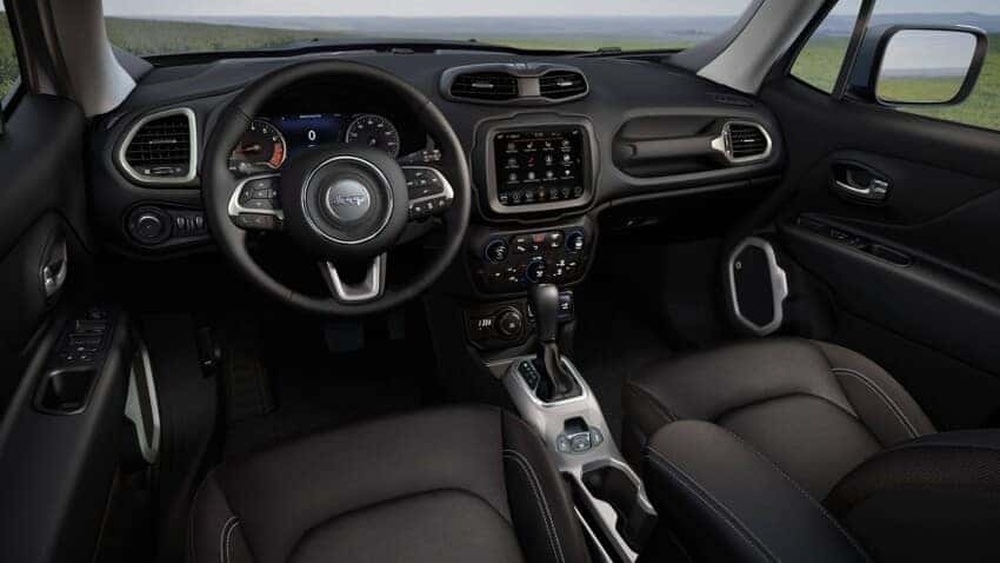
The Jeep’s interior is basic but functional. It offers durable materials made for rough use. Controls are easy to reach and use. The seats are comfortable but focus on practicality. Storage space is designed for gear and tools.
The G Wagon’s interior is rich and elegant. It features high-quality leather and wood trims. Technology is advanced with large screens and luxury sound systems. Seats are plush and adjustable in many ways. It balances comfort with a powerful feel.
Performance And Capability
Performance and capability define how well a vehicle handles tough conditions. Both Jeep and G Wagon are strong in these areas. They offer power and control for off-road and daily driving. Their designs focus on ruggedness and durability. Yet, they differ in engine types and off-road skills.
Engine Options
Jeeps usually offer smaller engines. These include four-cylinder and V6 options. They provide good power for most driving needs. Some Jeep models also have turbocharged engines for extra strength.
The G Wagon has larger, more powerful engines. Most models come with V8 engines. They deliver high torque and horsepower. This makes the G Wagon very fast and strong.
Off-road Abilities
Jeep is famous for its off-road skills. It has features like high ground clearance and strong suspension. Many Jeep models include four-wheel drive systems. These help in mud, rocks, and steep hills.
The G Wagon also excels off-road. It has advanced all-wheel drive and locking differentials. These systems give it great traction and control. The G Wagon can handle very rough and uneven terrain with ease.
Technology And Comfort
Technology and comfort play a big role in choosing between a Jeep and a G Wagon. Both vehicles offer modern features but with different styles and focuses. Jeep leans towards rugged usability, while G Wagon emphasizes luxury and advanced tech. Understanding their differences helps buyers pick what fits their needs and tastes.
Infotainment Systems
Jeep models have user-friendly infotainment screens. They support Apple CarPlay and Android Auto for easy phone connection. The system is simple and quick to use. It focuses on practicality and clear controls.
G Wagon features a larger, more luxurious infotainment setup. It offers a high-resolution screen with more customization options. The system integrates advanced navigation and voice commands. It aims to provide an elegant, seamless user experience.
Safety Features
Jeep includes essential safety tools like blind-spot monitoring and rear parking sensors. Its systems assist drivers without overwhelming them. The focus is on reliable, straightforward protection.
G Wagon comes with a suite of high-end safety technologies. These include adaptive cruise control and active lane keeping. The vehicle uses multiple cameras and sensors for better awareness. It prioritizes comprehensive safety and driver assistance.
Pricing And Market Position
Pricing and market position reveal key differences between a Jeep and a G Wagon. Both vehicles serve different buyers and budgets. Understanding their costs helps buyers choose the right fit. Market position shows where each vehicle stands in the auto world. This affects design, features, and overall appeal.
Cost Differences
A Jeep is much more affordable than a G Wagon. Jeep models often start around $30,000. The G Wagon begins near $140,000. This big price gap comes from design, luxury, and brand prestige. Jeep focuses on rugged, practical use. The G Wagon targets luxury and status buyers. Maintenance and insurance costs also reflect this difference. Jeep costs less to own and run.
Target Customers
Jeep buyers want adventure and value. They enjoy off-road trips and daily driving. Jeep suits families, young drivers, and outdoor lovers. The G Wagon appeals to luxury seekers. Buyers want a stylish, powerful SUV. Many G Wagon owners live in cities and want prestige. This vehicle fits those who want comfort and status. Both brands serve unique needs and lifestyles.
Maintenance And Reliability
Maintenance and reliability are key factors for anyone choosing between a Jeep and a G Wagon. Both vehicles have strong reputations but differ in upkeep and long-term performance. Understanding these differences helps buyers make smart decisions. The cost and durability of each vehicle impact daily use and ownership satisfaction.
Service Costs
Jeep models usually have lower service costs. Parts are easier to find and less expensive. Routine maintenance like oil changes and brake repairs cost less. Jeep’s widespread availability means more repair shops can work on them. G Wagons, made by Mercedes-Benz, are pricier to maintain. Their parts are costly and harder to get. Service visits often require specialized technicians. This adds to the total cost of ownership over time.
Durability
Both vehicles offer strong durability but in different ways. Jeeps are built tough for off-road adventures. They handle rough terrain and harsh conditions well. Regular users report good reliability with proper care. G Wagons combine luxury with ruggedness. Their build quality is high, using premium materials. This results in a sturdy vehicle that lasts long. However, luxury features may need extra care to keep working smoothly.
Cultural Impact And Popularity
The cultural impact and popularity of Jeep and G Wagon show how these vehicles stand out. Both have strong images but appeal to different groups. They represent more than just cars; they show lifestyle and status. Their presence in media, movies, and celebrity use boosts their fame worldwide.
Jeep In Pop Culture
Jeep is known for adventure and freedom. It often appears in movies about the outdoors and survival. Jeep’s rugged look fits well with action and exploration themes. Many people see Jeep as a symbol of toughness and nature. This image helps Jeep stay popular among outdoor lovers. Jeep’s role in history, especially in the military, adds to its strong cultural image. It is often linked to courage and resilience.
G Wagon’s Celebrity Status
The G Wagon is a favorite among celebrities and luxury fans. Its boxy shape and strong engine make it stand out. Famous people use it to show wealth and style. The G Wagon often appears in music videos and red carpet events. This boosts its image as a luxury and trendy vehicle. The high price and unique design make it a status symbol. Many see the G Wagon as a sign of success and power.
How JeepKnowledge Can Help You with What is the Difference between a Jeep And a G Wagon?
Turning Differences into Learning Opportunities
Understanding the differences between a Jeep and a G Wagon goes beyond just knowing their origins or market positioning. For anyone genuinely interested in these vehicles, diving into their design and build, as well as performance and capability, opens up practical learning avenues. For example, exploring Jeep’s rugged, off-road-focused engineering versus the G Wagon’s blend of luxury and utility can teach valuable lessons about vehicle customization and maintenance priorities.
At JeepKnowledge, we strive to provide insights that help enthusiasts and prospective buyers grasp these nuances clearly, encouraging hands-on learning whether it’s through DIY maintenance or exploring technological features. Engaging with such information cultivates not only better ownership experiences but also a deeper appreciation for each brand’s unique strengths.
If you want to explore specific aspects like maintenance tips or performance comparisons further, feel free to visit JeepKnowledge.com or reach out for guidance tailored to your interests and needs.
Frequently Asked Questions
What Are The Main Differences Between A Jeep And A G Wagon?
A Jeep is generally more affordable, rugged, and designed for off-road use. The G Wagon, a luxury SUV by Mercedes-Benz, combines off-road capability with premium features and a higher price. Both offer strong performance but serve different market segments.
Which Vehicle Is Better For Off-roading, Jeep Or G Wagon?
Jeep models, like the Wrangler, are purpose-built for off-roading with durable suspension and easy repair. The G Wagon also excels off-road but adds luxury and comfort. For serious off-road adventures on a budget, Jeep is preferred.
How Do Jeep And G Wagon Compare In Price?
Jeeps are typically more budget-friendly, starting from lower price points. G Wagons are luxury vehicles with prices significantly higher, reflecting premium materials, craftsmanship, and advanced technology.
Are Jeeps Or G Wagons More Fuel-efficient?
Generally, Jeeps offer better fuel efficiency due to lighter weight and smaller engines. G Wagons are heavier, with powerful engines that consume more fuel, focusing on performance and luxury rather than economy.
Conclusion
Jeep and G Wagon serve different needs and styles. Jeep offers rugged, affordable off-road fun. G Wagon stands for luxury and strong performance. Both have unique designs and features to explore. Choosing depends on your budget and purpose. Think about where you will drive most.
Either way, both vehicles bring their own charm. Each suits different tastes and lifestyles. Now you know the key differences clearly. Make your choice with confidence and enjoy the ride.