Are you looking for a reliable power source that won’t let you down when you need it most? VRLA batteries could be exactly what you need.
These Valve-Regulated Lead-Acid batteries offer a compact, maintenance-free solution for backup power, solar energy systems, and more. But how long will they last? What can affect their performance? And how do you get the most out of your investment? You’ll discover everything you need to know about VRLA batteries—from their typical lifespan to key tips for keeping them in top shape.
Keep reading to make sure your power stays strong and steady, no matter the challenge.

Credit: en.wikipedia.org
Vrla Battery Basics
Valve-Regulated Lead-Acid (VRLA) batteries are a popular choice for many power applications. They are sealed and require no maintenance. These batteries offer safety and convenience compared to traditional lead-acid types. Understanding VRLA battery basics helps in selecting and using them correctly.
They provide reliable power for backup systems, solar setups, and electric vehicles. The sealed design prevents acid leaks and reduces gas emissions. This makes VRLA batteries suitable for indoor use and tight spaces.
Types Of Vrla Batteries
Two main types of VRLA batteries exist: Absorbent Glass Mat (AGM) and Gel. Both types use different methods to contain the electrolyte. AGM batteries have a glass mat that holds the acid. Gel batteries use a silica-based gel to trap the acid in place. Each type suits different environments and uses.
Gel Vs Agm Electrolytes
Gel batteries use a thick, gel-like electrolyte. This gel prevents acid from spilling and improves deep discharge performance. Gel batteries handle heat and vibration well but charge slower. AGM batteries use a fiberglass mat to absorb the electrolyte. They offer low internal resistance and high power output. AGM batteries charge faster and perform better in cold conditions.
Key Components
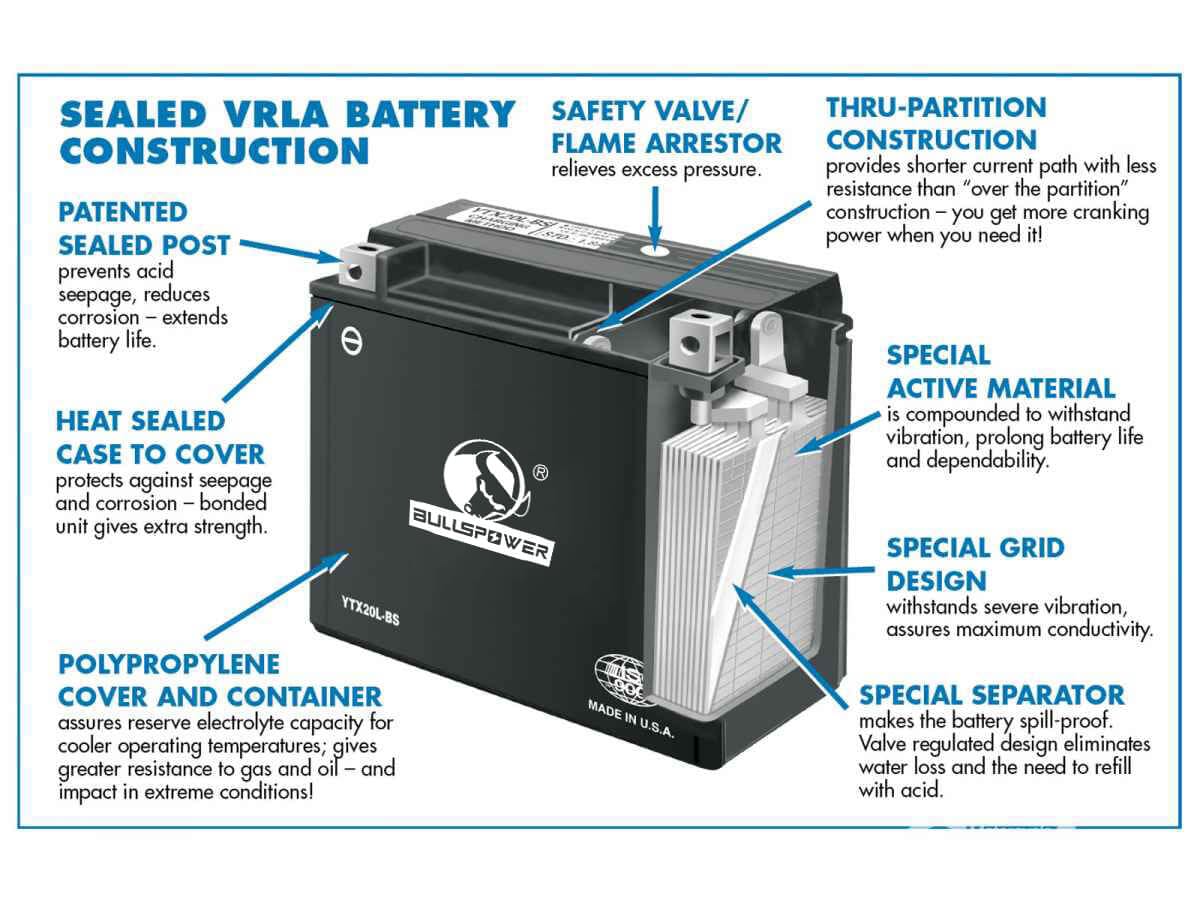
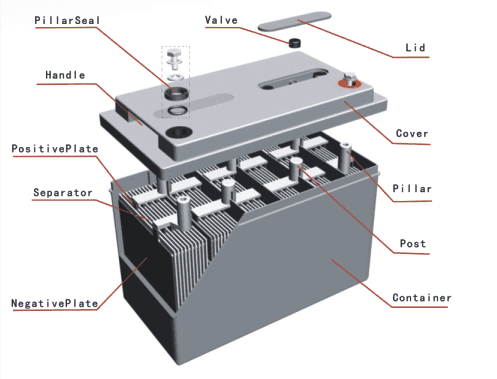
VRLA batteries have several key parts. The lead plates act as electrodes where chemical reactions occur. The electrolyte, either gel or absorbed in mats, allows ions to move. A valve regulates internal gas pressure, releasing excess gas safely. The sealed case keeps everything contained and protects the battery. These components work together to provide safe, reliable power.
Typical Lifespan
The typical lifespan of VRLA batteries varies based on many factors. These batteries are popular for their maintenance-free design and sealed construction. Lifespan depends on usage, environment, and care. Understanding their average service years and cycle life helps plan replacements and maintenance. This knowledge keeps systems reliable and cost-effective.
Average Service Years
Most VRLA batteries last between 3 to 5 years. This range applies to common uses like UPS systems and emergency power. Some high-quality models can last up to 7 years under ideal conditions. Heat and heavy use can shorten this lifespan. Cooler, stable environments help extend battery life. Regular checks also prevent unexpected failures.
Cycle Life Expectations
Cycle life means how many charge and discharge cycles a battery can handle. VRLA batteries usually manage 200 to 1200 cycles. The number depends on the depth of each discharge. Shallow discharges allow more cycles. Deep discharges reduce cycle life quickly. Proper charging and avoiding full discharges protect the battery. Monitoring cycle use extends overall lifespan.
Factors That Reduce Life
VRLA batteries offer reliable power but have limits to their lifespan. Various factors can reduce their effective life. Understanding these helps in better maintenance and use.
Temperature Effects
High temperatures speed up chemical reactions inside the battery. This causes faster wear and shorter life. Cold temperatures reduce battery capacity and slow reactions. Keeping VRLA batteries in a stable, moderate temperature extends their life.
Discharge Cycles Impact
Each discharge cycle wears the battery slightly. Deep discharges cause more damage than shallow ones. Frequent cycling reduces overall capacity and shortens battery life. Limiting deep discharges helps maintain battery health longer.
Overcharging Risks
Overcharging causes excess heat and gas build-up. This damages internal plates and seals. It can lead to loss of electrolyte and reduced capacity. Proper charging voltage and timing prevent overcharging damage.
Undercharging Consequences
Undercharging leaves the battery partially discharged for long periods. This causes lead sulfate crystals to form on the plates. These crystals reduce battery capacity and increase charging time. Regular full charging avoids this problem.
Sulfation Issues
Sulfation happens when lead sulfate builds up on battery plates. It occurs from prolonged undercharging or storage in a discharged state. Sulfation blocks active material, lowering battery efficiency. Proper charging and storage reduce sulfation risk.
Maximizing Battery Life
Maximizing the life of VRLA batteries is essential for reliable performance and cost savings. Proper care extends their service time and prevents unexpected failures. Small steps in maintenance make a big difference in battery health.
Understanding key factors like temperature, voltage, testing, and storage helps keep VRLA batteries working well. Follow these best practices to maintain optimal battery condition.
Temperature Control
Keep VRLA batteries in a cool, stable environment. High temperatures speed up chemical reactions inside. This reduces battery life and causes damage. Avoid placing batteries near heat sources or in direct sunlight. Ideal temperature is usually between 20°C to 25°C (68°F to 77°F). Use cooling systems if needed to maintain steady temperatures.
Voltage Settings
Set the charger to the correct voltage for VRLA batteries. Overcharging causes corrosion and plate damage. Undercharging forces the battery to work harder, shortening life. Use a charger designed specifically for VRLA types. Regularly check voltage levels to keep them within safe limits. Proper voltage extends battery cycles and maintains capacity.
Regular Testing
Test VRLA batteries often to detect early problems. Use a multimeter to check voltage and a load tester for capacity. Regular testing helps spot issues before failure. It ensures batteries deliver full power when needed. Record test results to track battery health over time. Replace batteries showing significant decline to avoid downtime.
Proper Storage
Store VRLA batteries in a dry, cool place when not in use. Avoid extreme temperatures and humidity. Fully charge batteries before storage to prevent sulfation. Check and recharge them every few months. Proper storage reduces self-discharge and chemical buildup. This practice keeps batteries ready for use and extends their lifespan.
Charging Vrla Batteries
Charging VRLA batteries requires care and attention to extend battery life. Proper charging ensures optimal performance and safety. Understanding the correct steps can prevent damage and maintain battery health.
Choosing The Right Charger
Select a charger designed for VRLA batteries only. Chargers must match battery voltage and capacity. Using the wrong charger can cause overheating or undercharging. Smart chargers with automatic cutoff are best. They prevent overcharging and extend battery lifespan.
Inspection Before Charging
Always inspect the battery before charging. Check for cracks, leaks, or swelling. Clean the terminals to remove dirt and corrosion. Ensure the battery is at room temperature. Damaged batteries should not be charged to avoid hazards.
Connecting Terminals Safely
Connect the positive terminal first to the charger. Next, connect the negative terminal carefully. Avoid touching terminals together during connection. Use insulated tools if needed. Secure connections prevent sparks and short circuits.
Selecting Charging Modes
Choose the correct charging mode on your charger. VRLA batteries usually require a constant voltage charge. Some chargers offer bulk, absorption, and float modes. Use float mode for maintenance charging. Follow the manufacturer’s guidelines strictly.
Monitoring Charge Process
Watch the battery while it charges. Check voltage and temperature regularly. Stop charging if the battery gets too hot. Most smart chargers show charging status clearly. Proper monitoring avoids overcharging and prolongs battery life.
Credit: www.bullsbattery.com
Performance Factors
Performance factors play a vital role in the effectiveness and lifespan of VRLA batteries. Understanding these factors helps users get the best results from their batteries. Key aspects include how the battery is cycled, its capacity and efficiency, and how it is maintained. Each element affects the battery’s overall performance and durability.
Cycling And Depth Of Discharge
VRLA batteries have a limited number of discharge cycles. Each cycle means using the battery’s stored energy and then recharging it. The depth of discharge (DoD) is how much of the battery’s capacity is used before recharging. Deeper discharges shorten the battery’s life. Shallow discharges help extend the number of cycles. Using the battery within recommended DoD levels improves its performance and lifespan.
Capacity And Efficiency
Battery capacity measures how much energy the battery can store. Efficiency refers to how well the battery converts stored energy to usable power. VRLA batteries lose capacity over time due to chemical changes inside. High temperatures and overcharging reduce capacity faster. Maintaining proper charging and storage conditions keeps capacity closer to the original level. This ensures efficient energy use and longer battery life.
Maintenance Tips
VRLA batteries require minimal but regular maintenance. Keep the battery terminals clean and tight to avoid power loss. Check the battery voltage regularly to detect any issues early. Avoid overcharging and deep discharging by using proper chargers and monitoring usage. Store batteries in cool, dry places to prevent heat damage. Regular checks and correct care improve battery reliability and extend service life.
Vrla Vs Other Lead-acid Batteries
Valve-Regulated Lead-Acid (VRLA) batteries differ from other lead-acid types in design and use. Understanding these differences helps in choosing the right battery for your needs. Below, key contrasts between VRLA and traditional lead-acid batteries are explained clearly.
Electrolyte Differences
Traditional lead-acid batteries contain liquid electrolyte that moves freely inside. VRLA batteries use a gel or absorbed glass mat (AGM) to hold the electrolyte. This design keeps the electrolyte fixed and sealed inside the battery. It prevents leaks and reduces the risk of acid spills. VRLA batteries also release gas only under high pressure, making them safer to handle.
Application Suitability
VRLA batteries work well in places where maintenance is difficult. They fit in small spaces and can be mounted in different positions. Traditional batteries need regular checks and upright placement. VRLA types are common in backup power systems, solar setups, and mobility devices. Standard lead-acid batteries suit applications where cost is a priority and space is not limited.
Cost And Maintenance
VRLA batteries cost more upfront due to their sealed design and special materials. They need little to no maintenance during use. No watering or acid checks are required. Other lead-acid batteries are cheaper but demand regular maintenance to avoid damage. Their liquid electrolyte needs refilling and careful monitoring. Over time, VRLA batteries often save money on maintenance and downtime.
Credit: www.bullsbattery.com
Replacing Vrla Batteries
Replacing VRLA batteries is important to keep your devices running smoothly. These batteries do not last forever. Over time, they lose their ability to hold a charge. Knowing when and how to replace them helps avoid unexpected power loss. Proper replacement also ensures safety and environmental care.
Signs Of Battery Failure
Watch for these signs of VRLA battery failure. The battery may not hold a charge for long. You might notice slower device startup or frequent shutdowns. Swelling or leakage on the battery case is a clear warning. Corrosion on terminals can also mean the battery is failing. Strange smells or heat coming from the battery are other red flags.
Replacement Timing
Replace VRLA batteries before they fully fail. Most VRLA batteries last between three to five years. Check the manufacturer’s guidelines for your specific battery. Replace earlier if you notice performance drops or physical damage. Regular testing can help predict the best time to replace. Avoid waiting too long to prevent damage to your equipment.
Disposal Guidelines
Dispose of old VRLA batteries properly to protect the environment. These batteries contain lead and acid, which are hazardous. Never throw them in regular trash. Take them to a certified recycling center or hazardous waste facility. Many stores that sell batteries also accept old ones for recycling. Proper disposal keeps harmful chemicals out of the soil and water.
Frequently Asked Questions
What Is Meant By Vrla Battery?
A VRLA battery is a Valve-Regulated Lead-Acid battery with sealed construction. It uses a gel or AGM electrolyte, requiring no maintenance.
Is A Vrla Battery The Same As An Agm?
A VRLA battery is a type of sealed lead-acid battery. AGM (Absorbent Glass Mat) is one VRLA subtype. They differ mainly in electrolyte design.
What Are The Disadvantages Of Vrla Batteries?
VRLA batteries have limited lifespan and capacity, are sensitive to overcharging, and perform poorly in high temperatures. They require regular maintenance and can be costly to replace.
Can A Vrla Battery Be Recharged?
Yes, a VRLA battery can be recharged using a compatible charger with correct voltage and current settings. Always check polarity before charging.
Conclusion
VRLA batteries offer reliable power with proper care and use. Keep temperatures stable to extend battery life. Avoid deep discharges and overcharging to prevent damage. Regular checks help maintain performance and safety. Choosing the right VRLA battery fits many energy needs.
Simple steps can keep your battery working longer. Trust in consistent maintenance for better results. VRLA batteries remain a solid choice for backup power.