

Are you looking for a reliable power source that won’t let you down when you need it most? A Valve Regulated Battery (VRLA) might be exactly what you need.
These batteries are designed to be maintenance-free, safe, and efficient, making them a popular choice for everything from backup power systems to renewable energy setups. But how do they work, and what makes them different from regular batteries? You’ll discover the key benefits of VRLA batteries, how to maximize their lifespan, and tips to keep your power running smoothly.
Keep reading to unlock everything you need to know to get the best performance from your Valve Regulated Battery.
Basics Of Valve Regulated Batteries
Valve Regulated Batteries are a common type of sealed lead-acid battery. They are designed to be maintenance-free and safe for indoor use. These batteries are popular in many applications like backup power, emergency lighting, and security systems.
Understanding the basics helps you choose the right battery for your needs. Below are key points about their construction, types, and how they work.
Construction And Design
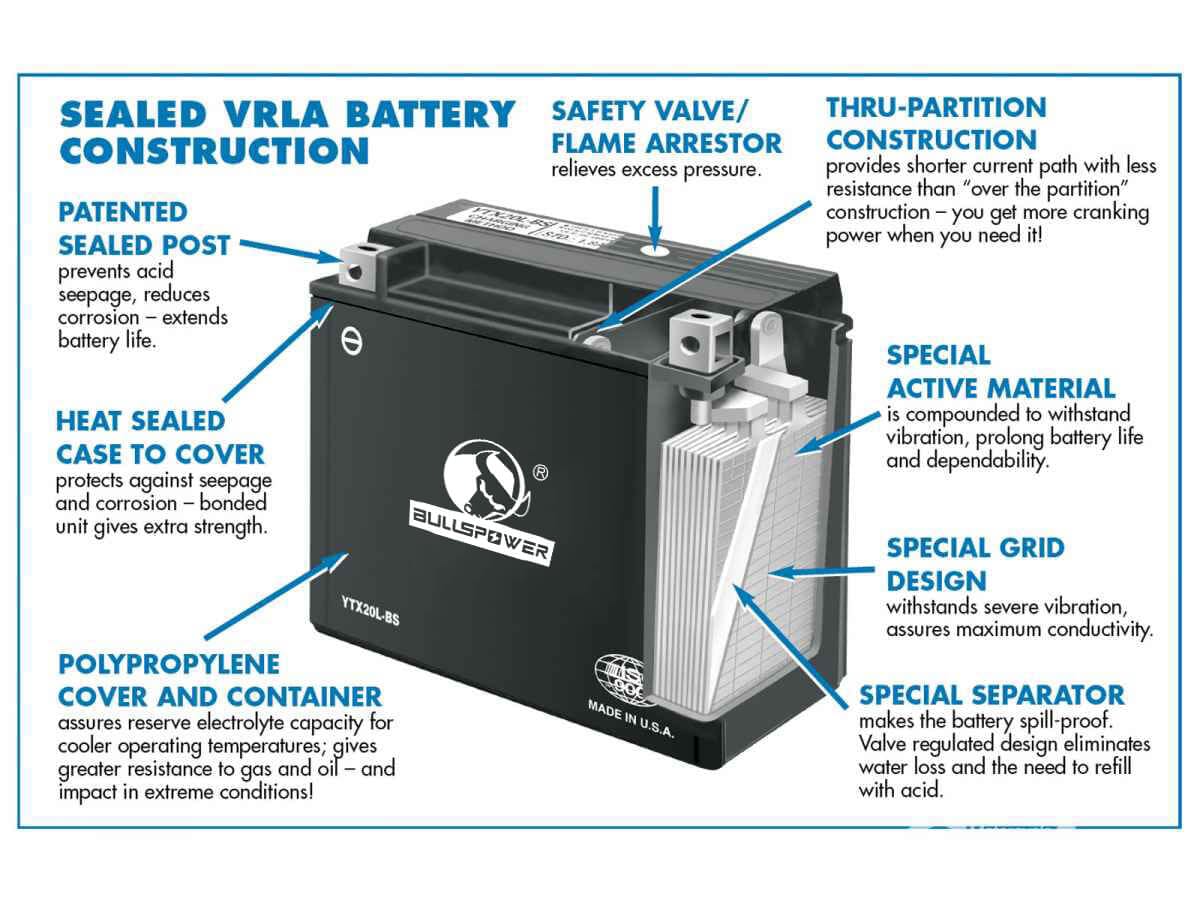
VRLA batteries have a sealed design with a pressure relief valve. This valve controls gas release during charging. The battery case is made of durable plastic to prevent leaks. Inside, they use lead plates and an electrolyte. The electrolyte is either absorbed in glass mats or gelled. This design stops acid spills and reduces maintenance needs.
Types: Agm Vs Gel
There are two main types of VRLA batteries: AGM and Gel. AGM stands for Absorbent Glass Mat. It uses fiberglass mats to hold the electrolyte. Gel batteries use a thick gel as the electrolyte. AGM batteries deliver high power and fast charge. Gel batteries handle deep discharges better and last longer in harsh conditions. Each type fits different uses and environments.
How Vrla Batteries Work
VRLA batteries work by chemical reactions between lead plates and electrolyte. During charging, oxygen and hydrogen gases form inside. The valve lets excess gas escape safely. Oxygen recombines with the electrolyte, reducing water loss. This keeps the battery sealed and safe. The sealed design makes VRLA batteries reliable and low maintenance.

Credit: www.yuasa.co.uk
Performance Factors
Valve Regulated Lead Acid (VRLA) batteries perform well under many conditions. Several factors affect their efficiency and lifespan. Understanding these helps in proper use and maintenance. Each factor plays a key role in overall battery health.
Cycling And Depth Of Discharge
VRLA batteries have a limited number of charge and discharge cycles. The deeper the battery discharges, the fewer cycles it can complete. Frequent deep discharges reduce battery life faster. Shallow discharges help extend the battery’s service time.
Impact Of Temperature
Temperature greatly influences VRLA battery performance. High temperatures speed up chemical reactions inside the battery. This can cause faster aging and capacity loss. Low temperatures reduce capacity and slow down reactions. Keeping batteries in stable, moderate temperatures is best.
Effects Of Overcharging And Undercharging
Overcharging VRLA batteries causes excessive gassing and plate corrosion. This damages the internal structure and reduces lifespan. Undercharging leads to incomplete charging, causing sulfation and capacity loss. Proper voltage and charging times keep batteries healthy and efficient.
Sulfation And Chemical Changes
Sulfation happens when lead sulfate crystals build on battery plates. It occurs if batteries stay discharged for long periods. This buildup blocks active material and lowers capacity. Chemical changes from aging also reduce performance. Regular charging and maintenance help prevent sulfation.
Lifespan Expectations
The lifespan of a Valve Regulated Lead Acid (VRLA) battery depends on many factors. Understanding these can help you get the most from your battery. Lifespan varies with use, temperature, and charging habits.
Knowing when a battery will likely fail helps avoid sudden power loss. Regular checks can extend battery life and maintain performance.
Typical Lifespan Ranges
- Most VRLA batteries last between 3 to 5 years under normal use.
- Proper maintenance can push lifespan to 7 years or more.
- Heavy use or poor conditions reduce life to less than 3 years.
- Batteries in cool, stable environments tend to last longer.
Common Causes Of Premature Failure
- High temperatures speed up battery wear and chemical reactions.
- Frequent deep discharges shorten the number of charge cycles.
- Overcharging causes corrosion and damages battery plates.
- Undercharging forces the battery to work harder, reducing life.
- Sulfation buildup blocks charging and increases heat inside the battery.
Signs Battery Needs Replacement
- Battery holds charge for a shorter time than before.
- Voltage drops quickly during use or testing.
- Physical swelling or leakage around the battery case.
- Unusual heat during charging or discharging.
- Frequent shutdowns or power failures in connected devices.
Maintenance Tips
Proper maintenance keeps your Valve Regulated Lead Acid (VRLA) battery working well. Simple care steps extend battery life and ensure reliable power. Follow these tips to maintain your VRLA battery efficiently and safely.
Voltage Checks And Capacity Testing
Regular voltage checks show battery health. Use a voltmeter to measure the voltage across terminals. A fully charged VRLA battery reads about 12.7 volts. Lower voltage may indicate the battery needs charging or replacement.
Capacity testing measures how much energy the battery holds. It helps find weak or aging batteries. Perform tests every few months to track performance. Replace batteries that fail capacity tests to avoid power loss.
Optimal Float Voltage Settings
Float voltage keeps the battery charged without overcharging. Set the float voltage between 13.5 and 13.8 volts for 12-volt VRLA batteries. This range prevents corrosion and extends battery life.
Check float voltage settings regularly. Use a reliable charger with adjustable voltage controls. Avoid setting the voltage too high or too low to protect the battery.
Temperature Control Strategies
Temperature affects battery performance and lifespan. High heat speeds up battery aging and reduces capacity. Keep the battery in a cool, dry place away from direct sunlight.
Use cooling fans or ventilation in hot environments. Avoid freezing temperatures, which can damage the battery. Monitor temperature regularly to maintain optimal conditions.
Charging Vrla Batteries
Charging VRLA batteries requires care and precision. These batteries need specific charging methods to maintain performance and lifespan. Proper charging prevents damage and ensures reliable power. Understanding the right charger and process is essential.
Choosing The Right Charger
Select a charger designed for VRLA batteries. Use chargers with automatic voltage regulation. Avoid chargers meant for other battery types. Check the charger’s output voltage matches the battery specifications. A good charger prevents overcharging and undercharging.
Step-by-step Charging Process
First, connect the charger to the battery terminals correctly. Positive to positive, negative to negative. Next, set the charger to the recommended voltage and current. Turn on the charger and monitor the charging progress. Stop charging when the battery reaches full voltage. Disconnect the charger carefully to avoid sparks.
Avoiding Common Charging Mistakes
Do not overcharge VRLA batteries; it causes damage. Avoid undercharging, which reduces battery capacity. Never use high current for quick charging. Keep charging environment cool and dry. Regularly check battery voltage during charging. Follow manufacturer instructions closely for best results.
Vrla Vs Other Lead-acid Batteries
Valve Regulated Lead-Acid (VRLA) batteries differ from other lead-acid types in design and performance. These differences affect their maintenance, safety, and use. Understanding these aspects helps in choosing the right battery for specific needs.
Differences In Electrolytes
VRLA batteries use a gel or absorbed glass mat (AGM) to hold the electrolyte. This design stops the liquid from spilling. Other lead-acid batteries, like flooded types, have a free liquid electrolyte. This liquid can spill or evaporate. VRLA’s sealed system reduces maintenance and leakage risks.
Advantages Over Flooded Lead-acid
VRLA batteries need less maintenance than flooded lead-acid batteries. There is no need to add water. They are safer because gases are recombined inside the battery, lowering the chance of leaks. VRLA batteries work well in any position and have a longer shelf life. These features make them more convenient and reliable.
Use Cases And Applications
VRLA batteries are common in backup power systems, emergency lighting, and medical equipment. They suit places where maintenance is hard or spills are risky. Flooded lead-acid batteries fit well in large-scale energy storage and automotive uses. Choosing depends on the application’s safety, space, and care requirements.
Applications Of Vrla Batteries
Valve Regulated Lead Acid (VRLA) batteries serve many purposes across different sectors. Their sealed design and maintenance-free nature make them popular. They offer reliable power in critical situations and devices. VRLA batteries are compact and safe, fitting well in varied settings. Below are some key applications where VRLA batteries excel.
Uninterruptible Power Supplies (ups)
VRLA batteries provide backup power for UPS systems. They keep computers and servers running during outages. This prevents data loss and hardware damage. Their sealed design reduces maintenance in crowded data centers. VRLA batteries respond quickly to power failures, ensuring smooth operation.
Renewable Energy Systems
Solar and wind power setups use VRLA batteries to store energy. These batteries store excess power generated during the day. They supply energy when sunlight or wind is low. Their durability suits off-grid and remote installations. VRLA batteries maintain stable output for household or small business use.
Emergency Backup Power
Hospitals, fire stations, and emergency services rely on VRLA batteries. They power critical equipment during blackouts or natural disasters. These batteries ensure lifesaving machines stay operational. Their sealed, spill-proof design is safe for indoor use. VRLA batteries offer peace of mind in emergencies.
Credit: www.bullsbattery.com
Maximizing Battery Reliability
Maximizing the reliability of Valve Regulated Lead Acid (VRLA) batteries is essential for consistent performance. Proper care ensures long service life and prevents sudden failures. Understanding key maintenance practices helps maintain battery health and efficiency.
Regular Inspections
Check VRLA batteries frequently for any signs of damage or swelling. Inspect terminals for corrosion or loose connections. Measure voltage levels to detect potential issues early. Clean terminals gently using a dry cloth or a brush. Timely inspections help avoid unexpected battery failures.
Proper Storage Conditions
Store VRLA batteries in a cool, dry place away from direct sunlight. Avoid extreme temperatures as heat shortens battery life. Keep batteries fully charged during storage to prevent sulfation. Use ventilated areas to reduce moisture buildup. Proper storage maintains battery capacity and readiness.
Handling And Safety Precautions
Handle VRLA batteries carefully to avoid physical damage. Use insulated tools to prevent short circuits. Wear protective gear like gloves and safety glasses during maintenance. Avoid dropping or shaking the battery to protect internal components. Follow safety guidelines to ensure safe battery operation.

Credit: www.youtube.com
Frequently Asked Questions
What Does Valve Regulated Battery Mean?
A valve regulated battery (VRLA) seals electrolyte inside and uses a valve to release excess gas. It requires no maintenance and prevents leaks.
What Is The Difference Between A Vrla Battery And A Normal Battery?
A VRLA battery is sealed and uses a gel or AGM electrolyte, preventing leaks. A normal battery often contains liquid electrolyte and requires maintenance. VRLA batteries are maintenance-free and safer, while normal batteries need regular checks and water refilling.
Can You Recharge A Valve-regulated Lead-acid Battery?
Yes, you can recharge a valve-regulated lead-acid (VRLA) battery using a compatible charger. Use a charger designed for VRLA types with correct voltage and current. Ensure the battery isn’t physically damaged and select the appropriate charging mode for AGM or Gel VRLA batteries.
Are Valve-regulated Lead-acid Batteries Agm?
Yes, valve-regulated lead-acid (VRLA) batteries include AGM types. AGM batteries use absorbed glass mats to hold electrolyte. They are sealed, maintenance-free, and prevent gas release, fitting the VRLA design.
Conclusion
Valve regulated batteries offer reliable power with low maintenance needs. They work well in many devices and environments. Proper care extends their lifespan and improves performance. Avoid extreme temperatures and incorrect charging to keep them healthy. Regular checks help spot issues early and prevent failures.
These batteries remain a practical choice for backup and portable power. Understanding their features helps you get the best use and value. Choose valve regulated batteries for steady, hassle-free energy storage.
