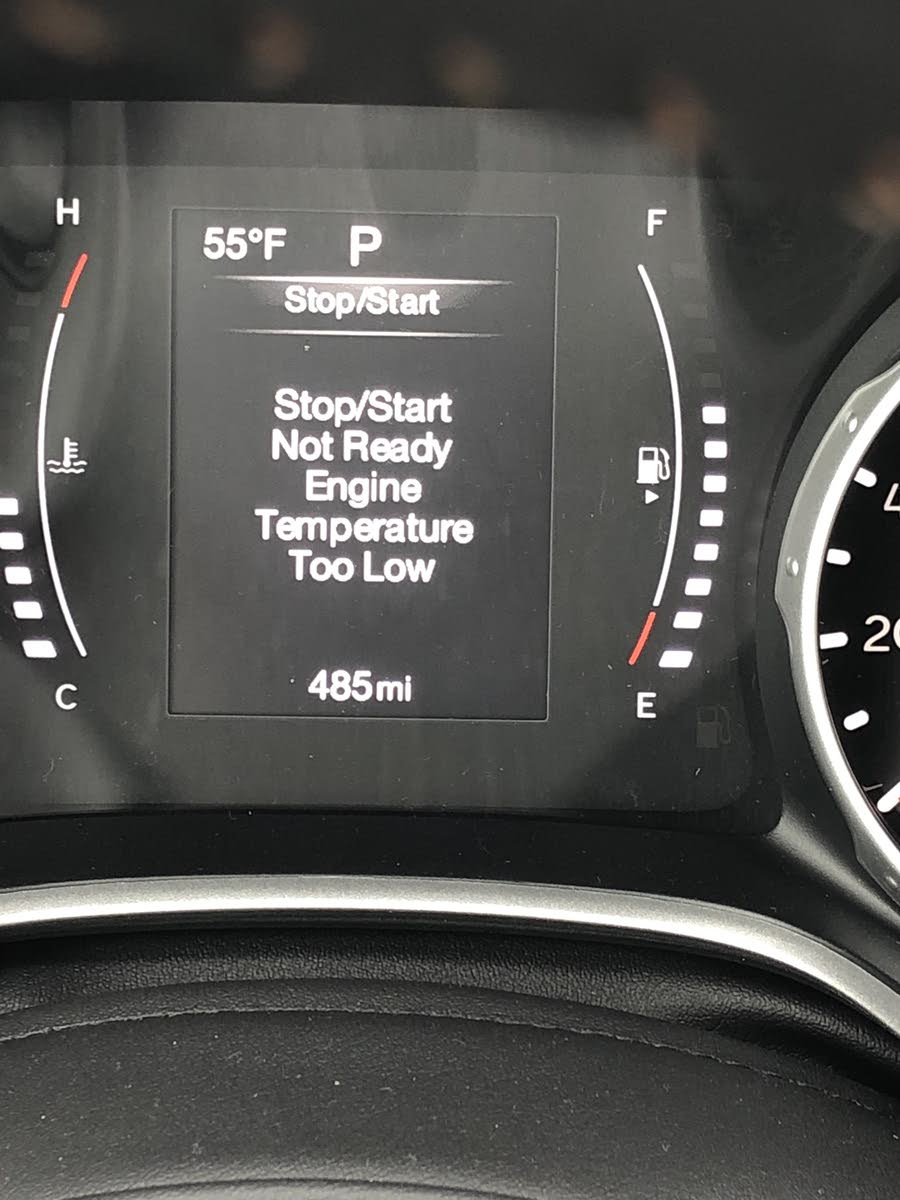
The “Stop Start Not Ready Engine Temperature Too Low” warning means your engine isn’t warm enough for the stop-start system to function. This feature aims to save fuel and reduce emissions.
Modern vehicles often come with a stop-start system designed to improve fuel efficiency and lower emissions by automatically shutting off the engine when the car is idle. However, this system requires the engine to be at an optimal temperature to function properly.
If the engine temperature is too low, the system will not activate, and you will see a warning message. This precaution ensures that the engine operates efficiently and prevents potential damage. Regular maintenance and keeping an eye on engine temperature can help ensure your stop-start system works effectively.

Credit: www.reddit.com
Common Causes
Understanding why the stop-start feature says “engine temperature too low” helps. This ensures your vehicle runs efficiently. Let’s look at the common causes.
Cold Weather
Cold weather affects your engine’s temperature. Cold weather makes the engine take longer to warm up. This affects the stop-start system.
In very low temperatures, the coolant stays cold longer. This means the engine stays cold too. The stop-start system needs a warm engine to function correctly.
Short Trips
Short trips do not give the engine enough time to warm up. The stop-start system relies on the engine being at an optimal temperature. Short trips prevent this.
Each trip’s short duration means the engine doesn’t reach its ideal temperature. This keeps the stop-start system from activating properly.
| Cause | Effect on Stop-Start System |
|---|---|
| Cold Weather | Engine takes longer to warm up |
| Short Trips | Engine doesn’t reach optimal temperature |
Symptoms
Understanding the symptoms of a Stop Start Not Ready Engine Temperature Too Low can help you identify and address the issue early. Recognizing these symptoms will ensure your vehicle runs smoothly and efficiently.
Warning Lights
One of the first symptoms is the appearance of warning lights on your dashboard. These lights may indicate that the engine temperature is too low for the Stop-Start system to function. Pay attention to these lights as they provide crucial information.
Delayed Start
Another symptom is a delayed start when you try to start your vehicle. The engine may take longer to turn over because the temperature is too low. This delay can be frustrating but is a clear sign that the engine temperature needs to rise before the Stop-Start system will work properly.
Immediate Checks
Having trouble with the Stop Start system? Is the engine temperature too low? You need to conduct some immediate checks. These checks ensure the system works properly. Let’s delve into the key areas to inspect.
Battery Health
The battery is crucial for the Stop Start system. A weak battery can cause issues. Follow these steps to check your battery:
- Inspect the battery terminals for corrosion.
- Use a multimeter to measure the voltage.
- Ensure the voltage is between 12.4V and 12.7V.
- If the voltage is low, consider charging or replacing the battery.
Coolant Levels
Low coolant levels can affect engine temperature. Check your coolant levels with these steps:
- Turn off the engine and let it cool.
- Locate the coolant reservoir under the hood.
- Ensure the coolant is between the “Min” and “Max” marks.
- If low, add the recommended coolant to the proper level.
Regular checks of battery health and coolant levels keep your Stop Start system running smoothly. These simple steps can save you from bigger issues down the road.
Warm-up Techniques
When your car’s engine temperature is too low, it affects performance. Warm-up techniques can help bring your engine to the right temperature. These methods ensure your car runs efficiently and safely.
Idle Engine
One way to warm up your engine is to let it idle. Start your car and let it run without driving. This helps the engine reach an optimal temperature.
Idling for about 5 to 10 minutes can be sufficient. This method is simple and effective for a quick warm-up.
| Engine Status | Action |
|---|---|
| Cold | Idle for 5-10 minutes |
| Warm | Ready to drive |
Use Heater
Another effective method is to use your car heater. Turn on the heater while the engine is running. This helps distribute heat evenly.
The heater uses engine heat to warm up the car. This process speeds up the engine’s warm-up time.
- Start your car.
- Turn on the heater.
- Wait for the engine to warm up.
Maintenance Tips
Maintaining your vehicle’s stop-start system ensures optimal performance and longevity. Regular checks and service help prevent issues like the ‘Stop Start Not Ready Engine Temperature Too Low’ alert. Here are some essential maintenance tips to keep your system running smoothly.
Regular Service
Regular service is crucial for your vehicle’s health. Ensure you follow the manufacturer’s recommended service intervals. This includes oil changes, filter replacements, and system diagnostics.
- Oil Changes: Fresh oil ensures the engine runs smoothly.
- Filter Replacements: Clean filters improve engine efficiency.
- System Diagnostics: Detect issues before they become serious problems.
Regular maintenance keeps the stop-start system in top shape. Always use the correct oil grade and quality filters. This small step can prevent engine temperature issues.
Inspect Sensors
Sensors play a vital role in the stop-start system. They monitor various engine parameters, including temperature. A faulty sensor can trigger the ‘Stop Start Not Ready Engine Temperature Too Low’ alert.
- Temperature Sensors: Ensure they are clean and functioning correctly.
- Battery Sensors: Check for proper connections and no corrosion.
- Airflow Sensors: Clean them regularly to prevent false readings.
Regular inspection of sensors can prevent many issues. Use a diagnostic tool to check sensor readings. Replace any faulty sensors promptly to maintain system integrity.
| Maintenance Task | Frequency |
|---|---|
| Oil Change | Every 5,000 miles |
| Filter Replacement | Every 10,000 miles |
| Sensor Inspection | Every 6 months |
These maintenance tips ensure your vehicle’s stop-start system functions optimally. Regular service and sensor inspections can prevent most ‘Stop Start Not Ready’ alerts.
Battery Solutions
Is your car’s stop-start system not working due to low engine temperature? The battery might be the issue. Here are some battery solutions that can help.
Jump Start
If your battery is weak, a jump start can be a quick fix. Follow these steps:
- Park another car close to your car.
- Turn off both cars.
- Connect the red clamp to your battery’s positive terminal.
- Attach the other red clamp to the donor car’s positive terminal.
- Connect the black clamp to the donor car’s negative terminal.
- Attach the last black clamp to an unpainted metal surface on your car.
- Start the donor car and let it run for a few minutes.
- Try to start your car.
Battery Replacement
If jump-starting doesn’t work, consider a battery replacement. Follow these steps:
- Purchase a battery that matches your car’s specifications.
- Turn off the engine and remove the key.
- Disconnect the negative terminal first, then the positive.
- Remove the old battery and place the new one in the tray.
- Connect the positive terminal first, then the negative.
- Ensure the battery is secure and close the hood.
Always check your car’s manual for specific instructions. A new battery can solve stop-start issues.
Coolant Strategies
Your car’s engine temperature is crucial for optimal performance. An engine that’s too cold can’t run efficiently. Coolant strategies ensure your engine stays at the right temperature. Below are some effective strategies to manage your coolant system.
Top Up Coolant
Regularly check your coolant levels to keep your engine healthy. Low coolant can cause your engine to overheat or stay too cold. Make sure to top up with the correct type of coolant. Refer to your car’s manual for the right specification.
- Open the coolant reservoir cap carefully.
- Check the coolant level against the markings.
- Top up if the level is below the minimum mark.
- Use a funnel for easy pouring.
- Close the cap tightly after topping up.
Check Radiator
The radiator plays a key role in cooling your engine. Ensure it is functioning correctly to avoid temperature issues. Inspect the radiator for any signs of damage or leaks.
| Check | Description |
|---|---|
| Visual Inspection | Look for cracks or leaks. |
| Hose Connections | Ensure hoses are securely connected. |
| Radiator Cap | Check the cap for any damage. |
A properly maintained radiator ensures efficient cooling. Always keep an eye on the temperature gauge on your dashboard.
Credit: www.jeepgladiatorforum.com
Professional Help
Dealing with the Stop Start Not Ready Engine Temperature Too Low issue can be daunting. Seeking professional help ensures your car is in good hands.
Mechanic Consultation
Consulting a mechanic is essential. They have the expertise to diagnose and fix the problem. A professional will inspect your car thoroughly. Mechanics understand the intricacies of engine temperature issues.
- Experienced mechanics know what to look for.
- They can identify underlying problems quickly.
- They provide reliable solutions to restore your car’s functionality.
Diagnostic Tools
Mechanics use advanced diagnostic tools to pinpoint issues. These tools help in accurately identifying the problem. Using these tools, mechanics can read error codes and assess engine performance.
| Tool | Purpose |
|---|---|
| OBD-II Scanner | Reads error codes |
| Thermal Imaging Camera | Detects temperature anomalies |
| Multimeter | Measures electrical parameters |
Using these tools helps mechanics provide accurate diagnoses. This ensures that your car is fixed efficiently and effectively.
Credit: www.cargurus.com
Frequently Asked Questions
What Does It Mean When It Says Engine Temperature Is Too Low?
An engine temperature too low indicates it hasn’t warmed up properly. This can affect fuel efficiency and performance.
Is It Bad To Drive With Low Engine Temperature?
Yes, driving with a low engine temperature can cause increased wear and tear. It can also lead to reduced fuel efficiency. Allow your engine to warm up before driving to ensure optimal performance and longevity.
What Does It Mean When The Engine Temperature Warning Light?
The engine temperature warning light indicates your engine is overheating. Stop driving immediately to prevent damage. Check coolant levels and seek professional help if needed.
What Causes “stop Start Not Ready” Message?
“Stop Start Not Ready” often shows when engine temperature is too low. Cold engines can’t efficiently support this feature.
Conclusion
Ensuring your engine operates at the right temperature is crucial. Regular maintenance can help avoid “Stop Start Not Ready” issues. Keep an eye on your vehicle’s temperature gauge. Address any warning signs promptly to maintain optimal performance. A well-maintained engine ensures smooth and efficient driving experiences every time.