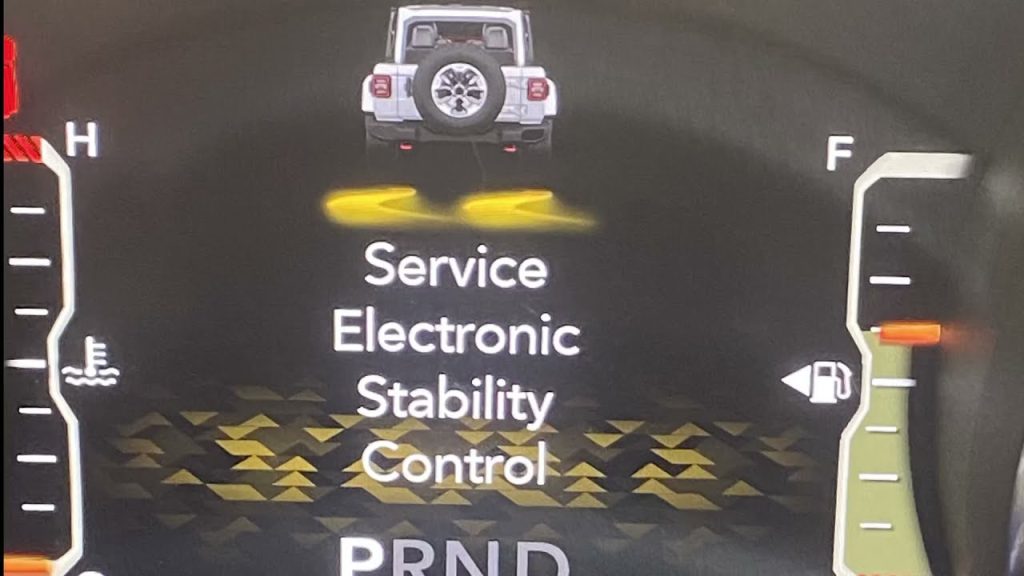
Service Electronic Stability Control (ESC) in a Jeep ensures vehicle stability and safety. It helps maintain control during difficult driving conditions.
Jeep’s Electronic Stability Control (ESC) system is a crucial safety feature that enhances vehicle stability. This system automatically applies brakes to individual wheels and adjusts engine power to help maintain control. It proves invaluable during sharp turns, slippery roads, and emergency maneuvers.
Regular maintenance of the ESC system is essential to ensure its optimal performance. Neglecting this service can lead to compromised safety and handling issues. Always refer to the Jeep owner’s manual for specific service intervals and procedures. Investing time in ESC maintenance can significantly improve driving safety and vehicle longevity.
Credit: www.jlwranglerforums.com
Introduction To Electronic Stability Control
Electronic Stability Control (ESC) is a vital safety system in modern vehicles. It helps drivers maintain control during extreme steering maneuvers. ESC has become a standard feature in many vehicles, including Jeep models. Understanding ESC can enhance your driving experience and safety.
What Is Esc?
Electronic Stability Control is an advanced safety feature. It automatically applies brakes to help the driver control the vehicle. It uses sensors to monitor your steering and the vehicle’s direction. If it detects a loss of control, it intervenes to keep the vehicle stable.
- Uses sensors to monitor vehicle dynamics
- Applies brakes to individual wheels
- Helps prevent skidding and rollovers
Importance In Modern Vehicles
ESC is crucial for maintaining vehicle stability. It reduces the risk of accidents, especially in slippery conditions. With ESC, drivers have better control during sudden maneuvers.
| Benefit | Description |
|---|---|
| Enhanced Safety | Prevents skidding and loss of control |
| Improved Handling | Ensures better vehicle response in critical situations |
| Reduced Accidents | Minimizes the chances of rollovers and collisions |
Jeep vehicles equipped with ESC offer a safer driving experience. This system is especially beneficial in off-road conditions. Jeep’s ESC is designed to handle various terrains, ensuring stability and control.
How Esc Works
The Electronic Stability Control (ESC) in a Jeep is a crucial feature. It ensures the vehicle stays stable during driving. Understanding how ESC works can help in appreciating this technology.
Sensors And Data Collection
ESC uses various sensors to collect data. These sensors monitor different aspects of the vehicle.
- Wheel Speed Sensors: Measure the speed of each wheel.
- Steering Angle Sensors: Detect the direction the driver wants to go.
- Yaw Rate Sensors: Measure the vehicle’s rotation around its vertical axis.
- Accelerometer: Senses the vehicle’s acceleration forces.
All these sensors work together. They send data to the ESC system.
Intervention Mechanisms
Once the ESC system receives data, it takes action if needed. There are several intervention mechanisms.
- Brake Control: The ESC applies brakes to individual wheels.
- Engine Power Reduction: It can reduce engine power to stabilize the vehicle.
These interventions help keep the vehicle on its intended path. They prevent loss of control during critical situations.
| Sensor | Function |
|---|---|
| Wheel Speed Sensor | Measures speed of each wheel |
| Steering Angle Sensor | Detects steering direction |
| Yaw Rate Sensor | Measures vehicle rotation |
| Accelerometer | Senses acceleration forces |
ESC combines these sensors and mechanisms. This ensures a safe and stable driving experience in your Jeep.
Benefits Of Esc In Jeeps
Electronic Stability Control (ESC) in Jeeps offers numerous benefits. This advanced system enhances your driving experience, making it safer and more enjoyable. Let’s explore the benefits of ESC in Jeeps.
Improved Handling
ESC significantly improves the handling of your Jeep. It helps maintain control during sharp turns. This system reduces the risk of skidding, ensuring a stable drive. ESC monitors the vehicle’s movement and corrects any deviation. This makes your Jeep handle better in various conditions.
Enhanced Safety
ESC greatly enhances the safety of your Jeep. It helps prevent rollovers, a major safety concern. This system detects loss of traction and applies brakes automatically. ESC works with other safety systems, providing a safer ride. With ESC, the chance of losing control is minimized.
| Benefit | Description |
|---|---|
| Improved Handling | Better control during turns and reduced skidding |
| Enhanced Safety | Prevents rollovers and loss of traction |
- ESC improves handling in all conditions
- ESC enhances safety by preventing rollovers
- ESC works automatically to correct vehicle movement
Credit: www.jlwranglerforums.com
Common Esc Issues
Electronic Stability Control (ESC) is crucial for Jeep safety. It helps maintain control during tricky situations. Many drivers face issues with ESC. Knowing common issues can help you stay safe.
Warning Light Activation
The ESC warning light is a key indicator. A blinking light means the system is active. A steady light suggests a problem. Check your Jeep’s manual for specific codes. Sometimes, the issue is minor. Other times, it needs expert attention.
Sensor Malfunctions
ESC relies on various sensors. Wheel speed sensors are common culprits. Dirt or damage can affect performance. Yaw rate sensors monitor your Jeep’s angle. Faulty sensors send wrong signals to the ESC. Regular maintenance helps avoid these issues.
| Sensor Type | Common Issues |
|---|---|
| Wheel Speed Sensor | Dirt, Damage |
| Yaw Rate Sensor | Faulty Signals |
Keep your sensors clean and check them often. Regular inspections can save you from bigger problems.
Diagnosing Esc Problems
Electronic Stability Control (ESC) is crucial for your Jeep’s safety. Diagnosing ESC problems can prevent accidents and ensure a smooth ride. This section will guide you through the tools and error codes needed for proper diagnosis.
Diagnostic Tools
Having the right diagnostic tools is essential. These tools help identify the root cause of ESC issues. Here are some common tools you might need:
- OBD-II Scanner: Reads error codes from your Jeep’s computer.
- Multimeter: Measures electrical signals and helps identify faulty sensors.
- ESC Module Tester: Specifically tests the ESC module’s functionality.
These tools provide accurate data, making it easier to fix the problem. Always use reliable and updated tools for the best results.
Common Error Codes
Understanding common error codes can save you time and money. Here are some frequent ESC error codes:
| Error Code | Description |
|---|---|
| C123F | ESC Internal Fault |
| C1240 | Steering Angle Sensor Fault |
| C1242 | Yaw Rate Sensor Fault |
| C1243 | Lateral Acceleration Sensor Fault |
These error codes point to specific issues within the ESC system. Using an OBD-II scanner, you can easily read these codes. Once identified, you can take appropriate steps to resolve the problem.
Maintenance Tips For Esc
Electronic Stability Control (ESC) is vital for your Jeep’s safety. Keeping it in top condition ensures better driving experiences. Here are some maintenance tips to help you.
Regular System Checks
Performing regular system checks is crucial. Look for warning lights on your dashboard. If the ESC light is on, it needs attention.
Check tire pressure frequently. Properly inflated tires help the ESC work effectively. Inspect your tires for wear and tear. Replace worn-out tires immediately.
| Check | Frequency |
|---|---|
| Tire Pressure | Weekly |
| Warning Lights | Daily |
Professional Servicing
Get your Jeep serviced by professionals. They have the right tools and knowledge. Regular servicing ensures the ESC system runs smoothly.
During servicing, professionals will check the ESC sensors. They will clean and calibrate them if necessary. A clean sensor ensures accurate readings.
- Clean sensors
- Calibrate ESC system
- Update software if needed
Follow these tips for a well-maintained ESC system. Your Jeep’s safety is a priority.
Upgrading Your Jeep’s Esc
Enhancing your Jeep’s Electronic Stability Control (ESC) can greatly improve driving safety. Upgrades can offer better performance and handling, especially on rugged terrains. This guide will help you understand the options for upgrading your Jeep’s ESC.
Aftermarket Options
Aftermarket options for ESC upgrades are diverse. You can choose from various brands and types. Here are some popular choices:
- Brand A: Known for its durability and reliability.
- Brand B: Offers advanced features and better performance.
- Brand C: Budget-friendly with good quality.
Each brand offers unique benefits. Choose the one that fits your needs best.
Compatibility Considerations
Before upgrading, ensure the new ESC system is compatible with your Jeep. Here are some key factors:
| Factor | Details |
|---|---|
| Model Year | Older models may need specific ESC systems. |
| Engine Type | Check if the ESC system supports your engine. |
| Transmission | Automatic and manual transmissions may need different systems. |
Always verify compatibility to avoid issues. Consult your Jeep’s manual or a professional mechanic for guidance.
Future Of Esc Technology
The future of Electronic Stability Control (ESC) in Jeep vehicles is bright. This tech continues evolving, making driving safer and smarter. ESC technology ensures vehicles maintain stability and traction. It prevents skidding and loss of control.
Advancements In Automation
Automation is revolutionizing ESC technology. New systems use advanced sensors and AI. These sensors detect road conditions in real-time. AI algorithms process this data instantly. The system then makes precise adjustments. This enhances vehicle control significantly.
Autonomous driving features are also integrating with ESC. These features allow for seamless control transitions. Drivers can rely on the system in critical moments. The result is a smoother and safer driving experience.
Integration With Other Systems
ESC technology is not standalone anymore. It now integrates with other vehicle systems. This includes Anti-lock Braking Systems (ABS) and Traction Control Systems (TCS). The integration ensures better overall vehicle performance.
Consider the table below to understand the integration benefits:
| System | Function | Benefit |
|---|---|---|
| ABS | Prevents wheel lock-up | Improved braking |
| TCS | Maintains traction | Reduces skidding |
| ESC | Stabilizes vehicle | Prevents loss of control |
ESC technology also communicates with Advanced Driver Assistance Systems (ADAS). This includes features like Lane Keep Assist and Adaptive Cruise Control. Integration enhances the overall safety and comfort of driving a Jeep.
Credit: www.jeepgladiatorforum.com
Frequently Asked Questions
What Does It Mean When My Jeep Says Service Electronic Stability Control?
The “service electronic stability control” message indicates a problem with your Jeep’s stability control system. Visit a mechanic for diagnosis.
What Does It Mean When The Electronic Stability Control Light Comes On?
The electronic stability control light indicates a problem with the vehicle’s stability system. It needs immediate attention.
Why Does My Car Say Service Electronic Stability Control?
Your car says “service electronic stability control” because the system detected a malfunction. It needs professional inspection and repair.
How Do I Reset My Electronic Stability Control?
Turn off the vehicle and restart it. Check the owner’s manual for specific reset instructions. If needed, visit a mechanic.
Conclusion
Ensuring your Jeep’s Electronic Stability Control is serviced can enhance safety and performance. Regular maintenance prevents costly repairs. Trust certified technicians for optimal results. Prioritize your Jeep’s health and enjoy smoother, safer rides. Don’t overlook this essential service for a reliable driving experience.
Keep your Jeep in top shape.