A Jeep Wrangler that dies while driving but restarts could be due to faulty sensors or electrical issues. Addressing these problems promptly is essential.
Jeep Wrangler owners occasionally encounter the frustrating issue of their vehicle dying while driving, only to restart shortly after. This problem can stem from various causes, including malfunctioning sensors, electrical system issues, or fuel delivery problems. Diagnosing the exact cause requires a systematic approach and often professional assistance.
Regular maintenance and timely repairs can help prevent such occurrences. Ignoring these signs can lead to more severe issues and safety concerns. Ensuring your Jeep Wrangler remains in optimal condition will provide a safer and more reliable driving experience.
Credit: m.youtube.com
Common Causes
Jeep Wrangler owners sometimes face issues where the vehicle dies while driving but restarts soon after. Understanding the common causes can help diagnose and fix the problem. Below are some frequent reasons your Jeep Wrangler might encounter this issue.
Fuel System Issues
Problems within the fuel system often cause the Jeep Wrangler to stall. Key components in the fuel system include:
- Fuel Pump: If the fuel pump is failing, it can’t deliver fuel to the engine properly.
- Fuel Filter: A clogged fuel filter restricts the flow of fuel to the engine.
- Fuel Injectors: Dirty or faulty fuel injectors can lead to inconsistent fuel delivery.
Regular maintenance of these components helps avoid stalling issues.
Electrical Problems
Electrical issues can also cause your Jeep Wrangler to die while driving. These issues include:
- Battery: A weak or failing battery can’t supply enough power to the engine.
- Alternator: If the alternator is not working, the battery won’t charge properly.
- Wiring: Damaged or loose wiring can interrupt the flow of electrical power.
Inspecting and maintaining the electrical system is crucial for reliable performance.
Initial Checks
Experiencing your Jeep Wrangler dying while driving can be frustrating. But, it is essential to stay calm and conduct some initial checks. These checks can help identify the problem quickly.
Inspect Battery
Firstly, examine the battery. A bad battery can cause the engine to die. Ensure the battery terminals are clean and tight. Loose or corroded terminals may disrupt the power supply.
Use a multimeter to measure the battery voltage. The voltage should be around 12.6 volts when the engine is off. If the voltage is lower, the battery might need charging or replacing.
| Battery Condition | Voltage Reading |
|---|---|
| Fully Charged | 12.6V or higher |
| Needs Charging | 12.4V to 12.6V |
| Replace Battery | Less than 12.4V |
Check Fuel Level
Next, verify the fuel level. Running out of fuel can cause the engine to stop. Ensure the fuel gauge is not showing empty.
Inspect the fuel tank and confirm there is enough fuel. If the fuel gauge is faulty, it might show incorrect readings. In such cases, fill up the tank and see if the problem persists.
Additionally, ensure the fuel cap is tightly closed. A loose fuel cap can cause a drop in fuel pressure, leading to engine stalling.
Fuel System Troubles
Experiencing issues with your Jeep Wrangler dying while driving can be frustrating. Often, the cause lies within the fuel system. Understanding the potential issues can help you diagnose and fix the problem faster.
Clogged Fuel Filter
A clogged fuel filter can restrict the flow of fuel to the engine. This can cause the Jeep Wrangler to die while driving. Regularly check and replace the fuel filter to prevent clogs.
- Inspect the fuel filter every 15,000 to 30,000 miles.
- If the filter is dirty, replace it immediately.
- Use high-quality fuel to minimize debris in the filter.
Faulty Fuel Pump
A faulty fuel pump can fail to deliver adequate fuel to the engine. This often results in the vehicle stalling and then restarting. Signs of a failing fuel pump include whining noises, sputtering, and difficulty starting.
- Listen for unusual sounds from the fuel tank area.
- Check the fuel pressure using a fuel pressure gauge.
- Replace the fuel pump if it shows signs of failure.
Addressing these fuel system troubles can help keep your Jeep Wrangler running smoothly. Regular maintenance and timely replacements are key to avoiding these issues.

Credit: jeepinside.com
Electrical System Faults
Experiencing your Jeep Wrangler dying while driving but restarting can be frustrating. Often, the culprit lies in the electrical system faults. These issues can disrupt the vehicle’s performance. Below are two common electrical faults: bad alternator and loose wiring.
Bad Alternator
The alternator is crucial for your Jeep’s electrical system. It charges the battery and powers the electrical components. If the alternator fails, your Jeep may die while driving.
- Check for dim lights and slow electrical accessories.
- Listen for strange noises from the engine.
- Look for the battery warning light on the dashboard.
If you notice these signs, test the alternator with a voltmeter. An alternator not giving 13-14.5 volts needs replacement.
Loose Wiring
Loose wiring can cause sudden power loss. Inspect the battery terminals and wiring connections. Loose or corroded wires can disrupt the electrical flow.
- Turn off the engine and open the hood.
- Check the battery terminals for tightness.
- Inspect for any corroded connections or broken wires.
- Tighten loose connections with a wrench.
- Replace any damaged wiring immediately.
Keeping the wiring intact ensures a steady power supply. This prevents your Jeep from dying unexpectedly.
Sensor Failures
Jeep Wrangler drivers often face issues with their vehicle dying unexpectedly. One common cause is sensor failures. These sensors are crucial for the engine’s operation. Let’s explore two key sensors that can cause this problem.
Crankshaft Position Sensor
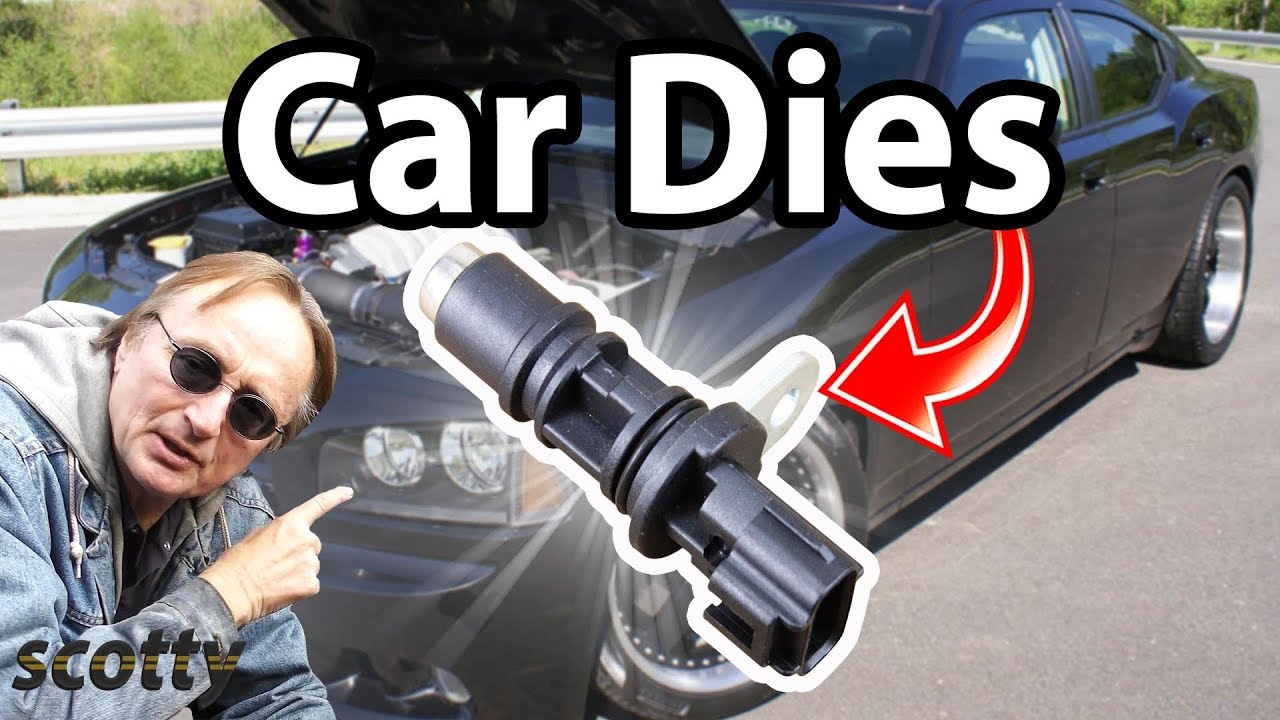
The crankshaft position sensor monitors the position and speed of the crankshaft. It sends signals to the engine control unit (ECU). If this sensor fails, the engine may stall. The ECU won’t know the correct timing for fuel injection and spark.
- Located near the engine’s bottom
- Monitors crankshaft position
- Essential for engine timing
Symptoms of a failing crankshaft position sensor include:
- Engine stalling
- Poor acceleration
- Check Engine Light
Camshaft Position Sensor
The camshaft position sensor tracks the camshaft’s position. It helps the ECU determine the timing of ignition and fuel injection. If the camshaft sensor fails, the engine may die while driving.
- Located near the camshaft
- Monitors camshaft position
- Helps with engine timing
Symptoms of a failing camshaft position sensor include:
- Engine misfires
- Hard starting
- Poor fuel economy
Both sensors are crucial for smooth engine operation. Regular maintenance can help prevent these issues.
Ecu Problems
The Engine Control Unit (ECU) is the brain of your Jeep Wrangler. It manages the engine’s functions and ensures everything runs smoothly. When the ECU encounters issues, your Jeep might die while driving but restart later. Understanding these problems is key to keeping your Wrangler on the road.
Software Glitches
Software glitches in the ECU can cause your Jeep to stall. These glitches might be due to coding errors or outdated software. Regularly updating your ECU software can help prevent these issues. Always check for the latest updates from the manufacturer.
Ecu Reset
An ECU reset can fix many common issues. This process involves disconnecting the battery for a short time. Follow these simple steps for a reset:
- Turn off the engine and remove the keys.
- Disconnect the negative battery terminal.
- Wait for 15 minutes.
- Reconnect the negative battery terminal.
- Start the engine and let it idle.
This reset can clear minor software glitches. If the problem persists, a professional inspection might be needed.
Diy Fixes
Experiencing your Jeep Wrangler dying while driving can be frustrating. Thankfully, there are some DIY fixes to help you troubleshoot and solve the problem. Below, we will dive into two common issues: changing the fuel filter and inspecting wiring connections.
Changing The Fuel Filter
A clogged fuel filter can cause your Jeep Wrangler to stall. Replacing it can restore fuel flow and performance. Here are the steps:
- Locate the fuel filter under the vehicle.
- Use a wrench to disconnect the fuel lines.
- Remove the old fuel filter.
- Install the new fuel filter.
- Reconnect the fuel lines securely.
Make sure to wear gloves and safety glasses. This prevents dirt and fuel from contacting your skin.
Inspecting Wiring Connections
Loose or corroded wiring can lead to your Jeep Wrangler stalling. Inspecting and fixing these connections is crucial. Follow these steps:
- Turn off the engine and disconnect the battery.
- Locate the wiring harnesses under the hood.
- Check for loose or corroded connections.
- Use a wire brush to clean corroded terminals.
- Reconnect any loose wires securely.
- Reconnect the battery and start the engine.
Ensure all connections are tight and free from corrosion. This helps maintain a stable electrical system.
When To Seek Help
If your Jeep Wrangler dies while driving but restarts, it can be scary. You need to know when to seek help from a professional. Ignoring the issue might make it worse. Here are some signs and tips to guide you.
Professional Diagnostics
Sometimes, the problem is too complex to fix on your own. Professional diagnostics are essential for finding the root cause. A mechanic has the right tools and experience. They can identify electrical issues, fuel problems, or sensor failures.
Without proper diagnostics, you might spend money on unnecessary repairs. Here’s why professional help is important:
- Accurate Diagnosis: Professionals use advanced tools to pinpoint issues.
- Save Time: Avoid trial and error by getting expert help.
- Prevent Further Damage: Early detection can save your engine.
Finding A Reliable Mechanic
Not all mechanics are the same. Finding a reliable one is crucial. Look for a mechanic with Jeep experience. They should know the ins and outs of your vehicle.
Here are some tips to find a trustworthy mechanic:
- Check Reviews: Online reviews can help you find a good mechanic.
- Ask for Recommendations: Friends and family might know a reliable mechanic.
- Visit the Shop: Check if the shop is clean and organized.
- Ask Questions: A good mechanic will answer your questions clearly.
- Compare Prices: Get quotes from different mechanics to find a fair price.
A reliable mechanic can make all the difference. They can fix the problem and keep your Jeep running smoothly.

Credit: m.youtube.com
Frequently Asked Questions
What Causes A Jeep Wrangler To Shut Off While Driving?
A Jeep Wrangler can shut off while driving due to issues like a faulty crankshaft position sensor, fuel pump failure, or electrical problems. Regular maintenance helps prevent these issues.
Why Is My Jeep Stalling Out While Driving?
Your Jeep may stall due to fuel system issues, faulty sensors, ignition problems, or vacuum leaks. Check the fuel pump, spark plugs, and sensors for any malfunctions. Regular maintenance can help prevent stalling.
Why Does My Jeep Cut Out While Driving?
Your Jeep may cut out while driving due to fuel system issues, faulty sensors, or ignition problems. Check for fuel pump failures, clogged fuel filters, or malfunctioning crankshaft position sensors. Regular maintenance can prevent these issues.
Why Does My Jeep Randomly Not Start?
Your Jeep might not start due to a faulty battery, bad starter, or malfunctioning alternator. Check these components first.
Conclusion
Experiencing a Jeep Wrangler dying while driving can be frustrating. Regular maintenance and timely repairs are essential. Ensure your vehicle’s systems are checked frequently. Address any issues promptly to avoid unexpected breakdowns. With proper care, your Jeep Wrangler can provide reliable performance and enjoyable adventures.
Stay proactive, and keep your journeys smooth and safe.