Jeep Wrangler automatic transmission shifting problems often involve rough shifting or delayed engagement. These issues can stem from various causes.
Jeep Wrangler enthusiasts value the rugged performance and off-road capabilities of their vehicles. Transmission shifting problems can disrupt these experiences and may arise from factors like low transmission fluid, faulty sensors, or worn-out parts. Regular maintenance and timely repairs are crucial to ensure smooth gear transitions.
Ignoring these issues can lead to further damage and costly repairs. Addressing transmission problems promptly helps maintain the reliability and longevity of your Jeep Wrangler. This guide will delve into common transmission issues, their causes, and potential solutions to keep your vehicle in top condition.
Common Shifting Issues
Jeep Wrangler owners often face transmission shifting problems. These issues can affect driving comfort and safety. In this section, we’ll explore some common shifting issues.
Delayed Shifts
Delayed shifts occur when the transmission takes longer to change gears. This can result in a lack of power during acceleration. Some common causes include:
- Low transmission fluid
- Dirty transmission filter
- Worn-out clutches
Regular maintenance and fluid checks can help prevent delayed shifts.
Harsh Gear Changes
Harsh gear changes can make driving uncomfortable. This issue is often felt as a sudden jolt or jerk. Some possible reasons for harsh gear changes are:
- Faulty transmission control module
- Damaged transmission mounts
- Incorrect transmission fluid
Addressing these issues promptly can improve your driving experience.
Causes Of Transmission Problems
Experiencing transmission issues with your Jeep Wrangler? Understanding the root causes can help. Below are common reasons for these problems.
Low Transmission Fluid
Low transmission fluid is a frequent issue. This fluid lubricates and cools the transmission. Without enough fluid, the transmission can’t shift smoothly.
- Leaks: A common cause of low fluid. Check for fluid puddles under your Jeep.
- Burnt Fluid: Overheating can burn the fluid. Check for a dark color and burnt smell.
- Neglect: Regular maintenance is key. Always keep an eye on fluid levels.
Worn Clutch Components
The clutch plays a crucial role in shifting gears. Worn clutch components can disrupt this process.
- Clutch Plates: These can wear out over time. Replace them if shifting becomes rough.
- Pressure Plate: A damaged pressure plate can cause slippage. Inspect it if you face issues.
- Clutch Disc: A worn clutch disc can lead to improper engagement. Regular checks can prevent this.
Diagnosing Transmission Issues
Experiencing transmission problems with your Jeep Wrangler can be frustrating. Early diagnosis helps in preventing bigger issues. Here, we’ll focus on key steps to diagnose automatic transmission issues.
Reading Error Codes
The first step is to read error codes. Modern cars have an On-Board Diagnostic (OBD) system. This system stores error codes when something goes wrong.
Here’s how you can read the error codes:
- Purchase or borrow an OBD-II scanner.
- Locate the OBD-II port under the dashboard.
- Plug the scanner into the port.
- Follow the scanner’s instructions to read the codes.
Once you have the codes, look them up in the vehicle’s manual. This will help you understand the issue better.
Listening For Unusual Noises
Another way to diagnose transmission issues is by listening for unusual noises. These noises can indicate different problems.
Common noises include:
- Grinding sounds
- Whining noises
- Clunking sounds
Grinding sounds may suggest worn-out gears. Whining noises often indicate a problem with the transmission fluid. Clunking sounds can point to a serious internal issue.
Pay close attention to these sounds while driving. Note when and where they occur. This information will be useful for a mechanic.
Diagnosing transmission issues early can save you time and money. Use these steps to identify problems quickly.

Credit: m.youtube.com
Basic Troubleshooting Steps
Experiencing issues with your Jeep Wrangler’s automatic transmission can be frustrating. Basic troubleshooting steps can help identify and fix the problem. Follow these steps to get your Jeep running smoothly again.
Checking Fluid Levels
Low transmission fluid can cause shifting problems. Checking fluid levels is simple:
- Park your Jeep on a level surface.
- Ensure the engine is warm and running.
- Locate the transmission dipstick.
- Remove the dipstick and wipe it clean.
- Reinsert the dipstick fully and remove it again.
- Check the fluid level against the markings.
If the fluid level is low, add the recommended transmission fluid. Overfilling can cause damage, so add small amounts and recheck until correct.
Inspecting Transmission Pan
Inspecting the transmission pan can reveal potential issues. Follow these steps:
- Park your Jeep on a flat surface and engage the parking brake.
- Place a drain pan under the transmission pan.
- Remove the bolts securing the transmission pan.
- Carefully lower the pan and inspect the fluid and pan for debris.
If you find metal shavings or other debris, the transmission may need professional attention. Clean the pan thoroughly and replace the gasket before reattaching.
By following these basic troubleshooting steps, you can identify and solve many transmission issues. Regular checks and maintenance can keep your Jeep Wrangler running smoothly.
Advanced Repair Techniques
Jeep Wrangler automatic transmission shifting problems can be frustrating. Advanced repair techniques can help fix these issues. Let’s explore some effective methods for addressing these problems.
Replacing Solenoids
Solenoids control the flow of transmission fluid. Faulty solenoids can cause shifting problems. Replacing them can often solve the issue.
- Identify the faulty solenoid: Use a diagnostic tool to check error codes.
- Purchase a new solenoid: Ensure it matches your Jeep Wrangler model.
- Access the transmission: Remove the transmission pan to reach the solenoids.
- Replace the solenoid: Unplug the old one and install the new one.
- Reassemble the transmission: Put the pan back and refill the transmission fluid.
Rebuilding The Transmission
Rebuilding the transmission is a more complex task. It involves replacing or repairing many components inside the transmission.
- Disassemble the transmission: Remove the transmission from the vehicle.
- Inspect all parts: Check for wear and damage.
- Replace worn parts: Install new gears, bearings, and seals.
- Clean components: Ensure all parts are free of debris.
- Reassemble the transmission: Put all parts back together carefully.
- Test the transmission: Ensure it shifts smoothly before reinstalling.
These advanced techniques can help fix Jeep Wrangler transmission problems. Regular maintenance can prevent many issues from arising.
Preventive Maintenance Tips
Maintaining your Jeep Wrangler’s automatic transmission is crucial. Preventive maintenance helps avoid shifting problems. Here are some essential tips to keep your transmission in top shape.
Regular Fluid Changes
The transmission fluid lubricates the gears. It also helps keep the transmission cool. Dirty or low fluid can cause shifting issues.
- Check the fluid level monthly.
- Use the recommended fluid type.
- Change the fluid every 30,000 miles.
Regular fluid changes extend the transmission life. Always use the fluid specified in the owner’s manual.
Scheduled Inspections
Regular inspections help spot problems early. Schedule inspections every 12 months.
- Inspect for leaks.
- Check for unusual noises.
- Test drive for smooth shifting.
Professional inspections can identify issues before they become serious. This saves you time and money in the long run.
When To Seek Professional Help
Jeep Wrangler automatic transmission shifting problems can be frustrating. Sometimes, professional help is needed. Knowing when to seek help is crucial. This section will guide you through identifying critical symptoms and choosing a reliable mechanic.
Identifying Critical Symptoms
Certain symptoms indicate serious transmission issues. Delayed shifting is one of them. If the gears take too long to change, it’s a red flag. Grinding noises can also signal trouble. These noises suggest internal damage.
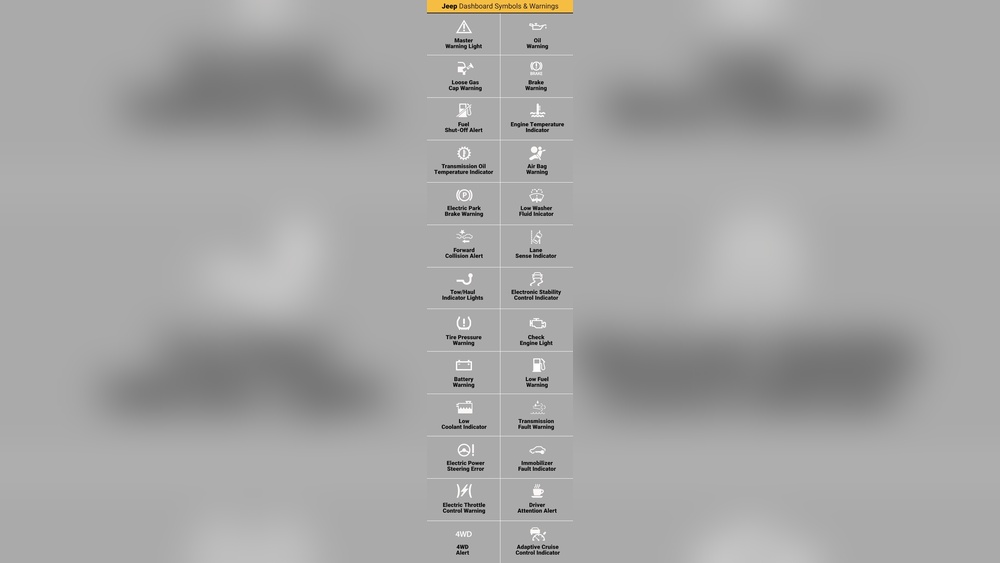
Slipping gears are another critical symptom. If your Jeep shifts gears on its own, it’s dangerous. Leaking transmission fluid can indicate a serious problem. Check for red or brown fluid under your car. Transmission warning lights on your dashboard should not be ignored. These lights mean something is wrong.
| Symptom | What it Indicates |
|---|---|
| Delayed Shifting | Gears take too long to change |
| Grinding Noises | Possible internal damage |
| Slipping Gears | Transmission shifts on its own |
| Leaking Fluid | Red or brown fluid under car |
| Warning Lights | Dashboard lights signal issues |
Choosing A Reliable Mechanic
Finding a good mechanic is important. Look for certified professionals. Certifications show expertise. Read reviews from other Jeep owners. Reviews can tell you a lot about a mechanic’s skills.
Ask for recommendations from friends or family. Personal experiences are valuable. Check the mechanic’s experience with Jeeps. An experienced mechanic will know common issues. Compare prices but don’t choose the cheapest. Quality service is worth the cost.
- Look for certified professionals
- Read reviews from other Jeep owners
- Ask for recommendations
- Check the mechanic’s experience with Jeeps
- Compare prices for quality service
By identifying critical symptoms and choosing a reliable mechanic, you can ensure your Jeep Wrangler stays in top condition.
Credit: m.youtube.com
Cost Considerations
Experiencing transmission shifting problems in your Jeep Wrangler can be frustrating. Understanding the costs involved is crucial for planning and budgeting. Let’s dive into the cost considerations for fixing these issues.
Budgeting For Repairs
Repairing the transmission can be costly. The cost may vary based on the extent of the damage. Here is a rough breakdown of potential costs:
| Repair Type | Estimated Cost |
|---|---|
| Basic Fluid Change | $100 – $200 |
| Transmission Flush | $150 – $300 |
| Sensor Replacement | $200 – $400 |
| Full Transmission Rebuild | $1,500 – $3,000 |
These costs can add up quickly. It’s important to budget accordingly and seek professional advice.
Evaluating Warranty Options
A good warranty can save you money. Check if your Jeep Wrangler is still under warranty. Here are some points to consider:
- Manufacturer’s Warranty: Covers most repairs for a set period.
- Extended Warranty: Additional coverage beyond the original warranty.
- Powertrain Warranty: Specifically covers the transmission and engine.
Review the terms and conditions of your warranty. This helps you understand what is covered. It can significantly reduce out-of-pocket expenses.
By understanding these cost considerations, you can better prepare for any transmission issues with your Jeep Wrangler.

Credit: www.meadowlandofcarmel.net
Frequently Asked Questions
Why Is My Automatic Transmission Having Trouble Shifting?
Your automatic transmission might have trouble shifting due to low fluid levels, worn-out clutch plates, or a faulty solenoid. Regular maintenance can prevent these issues. Consult a professional mechanic for a thorough diagnosis and repair.
How Do You Reset The Transmission On A Jeep Wrangler?
To reset the transmission on a Jeep Wrangler, disconnect the battery for 30 minutes. Reconnect it and start the engine.
How Do You Know If Your Transmission Is Bad On A Jeep Wrangler?
Check for slipping gears, delayed shifting, unusual noises, or burning smells. Watch for transmission fluid leaks and dashboard warning lights.
What Are The Symptoms Of A Bad Automatic Transmission?
Symptoms of a bad automatic transmission include slipping gears, delayed shifting, strange noises, fluid leaks, and a burning smell.
Conclusion
Experiencing Jeep Wrangler automatic transmission shifting problems can be frustrating. Regular maintenance and timely repairs are crucial. Consult a professional mechanic to diagnose and fix issues. Proper care ensures your Jeep Wrangler runs smoothly and reliably. Stay proactive to enjoy a hassle-free driving experience.