If you drive a Jeep, you’ve probably noticed those little warning lights that pop up on your dashboard. But do you really know what each one means?
Understanding your Jeep warning lights is crucial to keeping your vehicle running smoothly and avoiding costly repairs. Ignoring these signals can lead to bigger problems down the road—problems that could have been prevented with a quick check or simple fix.
In this guide, you’ll learn exactly what those warning lights mean, why they come on, and what you should do when they appear. Stay with us, and you’ll feel more confident and in control every time you get behind the wheel of your Jeep.
Jeep Dashboard Light Colors
Jeep dashboard light colors help drivers understand vehicle status quickly. Each color signals a different level of urgency or information. Knowing these colors can keep your Jeep safe and running well. Lights may warn about serious problems or just give helpful updates. Recognizing them lets you take the right action fast.
Red Warning Lights
Red lights mean immediate attention is needed. They signal serious issues that can damage your Jeep. Stop driving as soon as it is safe. Examples include engine overheating, brake failure, or oil pressure loss. Ignoring red lights can lead to costly repairs or accidents. Always check your owner’s manual for exact meanings.
Yellow And Orange Alerts
Yellow or orange lights warn of potential problems. They advise caution but do not require stopping right away. These alerts may indicate low fuel, tire pressure problems, or engine service needs. Pay attention and plan to fix the issue soon. Delaying can cause bigger troubles or reduce vehicle performance.
Green And Blue Indicators
Green and blue lights provide useful information. They show that systems are active or working properly. For example, green lights often indicate cruise control is on. Blue lights usually mean high beams are active. These colors do not signal problems. They help you understand your Jeep’s current functions.
Common Jeep Warning Symbols
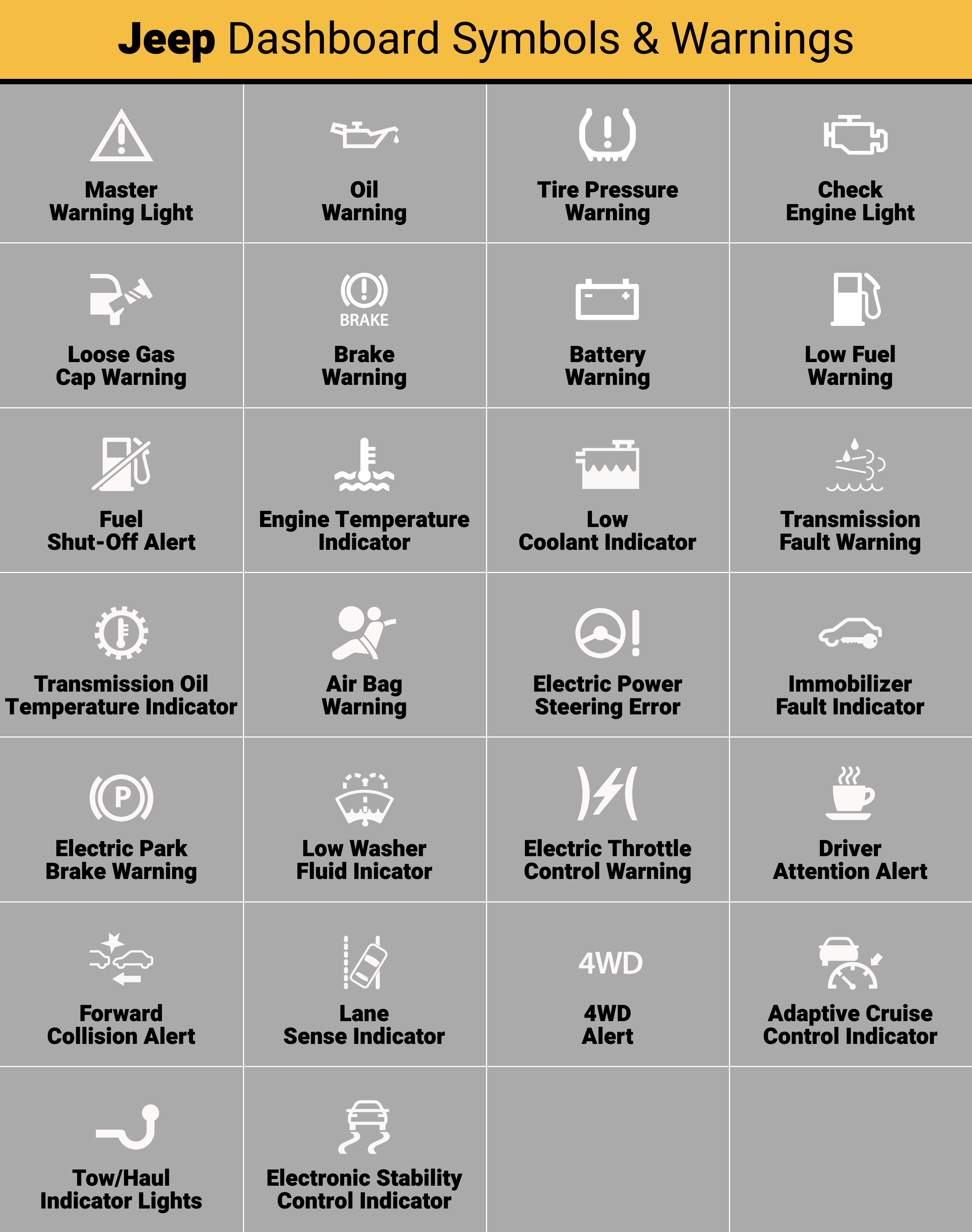
Jeep warning lights alert you about your vehicle’s condition. These symbols show issues that need attention. Understanding common Jeep warning symbols helps keep your Jeep safe and reliable. Each symbol has a specific meaning. Recognizing them early can prevent costly repairs.
Engine And Transmission Alerts
Engine and transmission lights warn about serious problems. The check engine light signals engine trouble or emissions issues. Transmission warning lights may indicate overheating or shifting problems. Ignoring these alerts can cause breakdowns. Prompt action helps avoid damage and high repair costs.
Brake System Warnings
Brake warning lights signal issues with your braking system. A red brake symbol means low brake fluid or worn pads. The ABS light shows a problem with the anti-lock brake system. Driving with brake warnings is unsafe. Check your brakes immediately to ensure safety.
Tire Pressure Monitoring
The tire pressure monitoring system (TPMS) light alerts low tire pressure. Proper tire pressure improves fuel efficiency and safety. A blinking TPMS light means a sensor problem. Check tire pressure regularly to avoid uneven wear and poor handling.
Battery And Electrical Issues
The battery warning light shows charging system problems. It may mean a bad alternator or battery issue. Electrical faults can cause vehicle shutdown. Address battery and electrical warnings quickly to avoid being stranded.
Auto Start/stop System Alerts
The Auto Start/Stop system in Jeep vehicles helps save fuel and reduce emissions. It automatically shuts off the engine when the vehicle stops. The engine restarts when you release the brake. This system improves efficiency but may sometimes show warning alerts on the dashboard. These alerts notify drivers about system issues or malfunctions.
Understanding these alerts helps maintain your Jeep’s performance and avoid further damage. Let’s explore the meaning of the common ‘A’ with a circle and exclamation mark symbol, causes of faults, and ways to fix them.
Meaning Of The ‘a’ With Circle And Exclamation
This symbol represents a problem with the Auto Start/Stop system. The letter ‘A’ inside a circle with an exclamation mark means the system is not working correctly. It alerts the driver that the engine may not shut off automatically. This warning may appear due to system faults or temporary conditions that prevent activation.
Common Causes Of Ess Faults
ESS stands for Engine Stop/Start system. Common issues include battery problems, sensor failures, or software glitches. A weak or old battery often triggers this alert. Faulty brake or clutch sensors can also cause errors. Sometimes, extreme weather or heavy electrical loads prevent the system from working properly.
Steps To Diagnose And Fix
First, check the battery health and connections. Replace the battery if it is weak or old. Inspect brake and clutch sensors for damage or dirt. Clean or replace sensors as needed. Next, clear any system codes using an OBD-II scanner. If the warning persists, visit a Jeep service center. Professionals can update software or repair complex faults.

Credit: www.hillviewmotors.com
Safety-related Warning Lights
Safety-related warning lights on your Jeep’s dashboard alert you to critical issues. These lights help protect you by signaling problems that affect your safety. Ignoring these warnings can put you and your passengers at risk. Understanding these symbols is essential for safe driving and timely vehicle care.
Airbag And Seatbelt Indicators
The airbag light signals a fault in the airbag system. If this light stays on, airbags might not deploy in a crash. The seatbelt indicator reminds you to buckle up before driving. Both lights ensure your protection by encouraging proper safety measures.
Traction And Stability Control Alerts
Traction and stability control lights show the system’s status. When these lights flash, the system actively helps maintain control. If the light stays on, it may indicate a problem with the system. These alerts help prevent skidding and loss of control on slippery roads.
Coolant Temperature Warnings
The coolant temperature warning light warns of engine overheating. Overheating can cause severe engine damage. Stop the vehicle safely if this light comes on. Check coolant levels and engine condition to avoid costly repairs.
Interpreting Tire Pressure Warnings
The tire pressure warning light on your Jeep alerts you to low tire pressure. Proper tire pressure is key for safe driving and fuel efficiency. Understanding what this warning means helps you act quickly. This section explains how to interpret and respond to tire pressure warnings.
When The Light Comes On
The tire pressure light comes on if one or more tires have low air. It may flash first, then stay on steady. The light alerts you to check your tires soon. Driving with low pressure can cause poor handling and tire damage.
Checking And Resetting Tpms
Check all tires with a pressure gauge. Compare the readings to the recommended pressure in your Jeep’s manual or door label. Inflate any low tires to the correct level. After adjusting, reset the Tire Pressure Monitoring System (TPMS) if your Jeep requires it. Resetting clears the warning light and recalibrates the system.
Maintaining Proper Tire Pressure
Check tire pressure monthly and before long trips. Use a reliable gauge and check tires when cold. Properly inflated tires improve Jeep’s fuel economy and safety. Avoid overinflation and underinflation for even tire wear. Maintaining correct pressure extends tire life and improves driving comfort.
Credit: fortidia.com
Battery And Charging System Alerts
The battery and charging system alerts in your Jeep warn you about problems with power delivery. These alerts help protect your vehicle from sudden breakdowns. Understanding these alerts can save you time and money.
Your Jeep relies on a healthy battery and charging system to start and run smoothly. When something goes wrong, warning lights appear on the dashboard. They signal issues like low battery charge or alternator faults. Ignoring these warnings can lead to a dead battery or electrical failures.
Battery Health Indicators
Battery health indicators show the condition of your Jeep’s battery. A common symbol is a battery-shaped light on the dashboard. This light means the battery is not charging properly or is weak. Low battery voltage can prevent your Jeep from starting.
Watch for dimming headlights or slow electrical functions. These signs often point to a failing battery. Testing your battery regularly helps catch problems early. Replace the battery if it cannot hold a good charge.
Alternator And Charging Issues
The alternator charges the battery while driving. A warning light shaped like a battery or lightning bolt signals alternator trouble. If the alternator fails, the battery loses power and the engine may stall.
Listen for unusual noises from the engine area. Check if electrical accessories work inconsistently. These clues can indicate charging system issues. Getting the alternator inspected keeps your Jeep running safely.
Preventive Maintenance Tips
Keep battery terminals clean and tight to avoid connection problems. Corrosion can block electrical flow and trigger warning lights. Test the battery and alternator during regular service visits.
Replace old batteries before they fail completely. Inspect belts connected to the alternator for wear. Maintaining the charging system prevents unexpected failures. Simple checks protect your Jeep’s reliability on every trip.
Engine And Transmission Warning Lights
Engine and transmission warning lights are vital signals on your Jeep’s dashboard. They alert you to potential problems in the engine or transmission systems. Ignoring these lights can lead to costly repairs or breakdowns. Understanding what these lights mean helps you keep your Jeep running smoothly and safely.
Check Engine Light Insights
The check engine light is one of the most common warnings. It can indicate issues like faulty sensors, low oil pressure, or emission problems. The light may blink or stay steady. A blinking light usually means a serious problem that needs immediate attention. A steady light suggests a less urgent issue but should not be ignored.
Transmission Temperature Alerts
This warning light signals that your transmission is overheating. High temperatures can damage transmission components quickly. It often appears after towing heavy loads or driving in hot weather. Stop driving as soon as it is safe to cool down the transmission. Continuing to drive can cause permanent damage.
When To Seek Professional Help
Some warning lights require expert diagnosis. If the check engine light stays on or flashes, visit a mechanic. Transmission warning lights also need professional attention to prevent serious damage. Early repairs save money and avoid breakdowns. Trust certified technicians for proper Jeep service and repairs.
Responding To Warning Lights
Jeep warning lights alert drivers to important vehicle issues. Responding quickly keeps you safe and protects your Jeep. Understanding what to do helps prevent damage and costly repairs. React calmly and follow the correct steps for each warning light.
Immediate Actions To Take
Check the warning light color. Red means stop soon. Yellow signals caution but not an emergency. Turn off extra electronics to reduce load. Listen for unusual sounds or vibrations. Note any changes in driving feel. Avoid heavy acceleration or high speeds. Prepare to take further action as needed.
When To Pull Over Safely
Find a safe spot away from traffic. Use your indicators to signal your move. Slow down gradually without sudden braking. Choose a well-lit area if possible. Turn on hazard lights after stopping. Avoid stopping on curves or hills. Stay inside the vehicle if the area feels unsafe.
Using Diagnostic Tools
Use an OBD-II scanner to read error codes. Connect the tool to your Jeep’s diagnostic port. Follow the scanner’s instructions to identify issues. Codes help understand the problem clearly. Some apps link to scanners for easy reading. Reset the warning light only after fixing the issue. Visit a professional if codes remain unclear.
Maintaining Your Jeep For Safety
Maintaining your Jeep is key to ensuring safety on the road. Regular care keeps warning lights off and systems running smoothly. Staying proactive helps avoid costly repairs and dangerous breakdowns. Simple maintenance habits extend the life of your Jeep and protect you and your passengers.
Regular Inspections And Services
Schedule routine inspections to check brakes, tires, and fluids. Mechanics can spot issues before warning lights activate. Follow the manufacturer’s recommended service intervals strictly. Replace worn parts promptly to maintain vehicle safety. Regular oil changes keep the engine healthy and efficient.
Updating Software And Sensors
Jeep models rely on software to monitor vehicle health. Keep your Jeep’s software updated for accurate sensor readings. Updated systems reduce false warning alerts and improve performance. Visit authorized dealers for software updates and sensor calibrations. Modern updates fix bugs that affect warning light accuracy.
Tips For Long-term Reliability
Drive gently to reduce wear on parts and systems. Avoid heavy loads that strain the engine and brakes. Park in shaded areas to protect battery and electronics. Clean your Jeep regularly to prevent rust and corrosion. Monitor dashboard lights and respond quickly to any warnings.
Resources For Jeep Owners
Jeep owners gain confidence through access to reliable resources. Knowing where to find accurate information about warning lights helps prevent costly repairs. It supports quick responses to dashboard alerts. Resources range from official guides to local experts in Austin, Texas. These tools make vehicle care easier and safer.
Official Jeep Manuals
Official Jeep manuals provide clear details about all warning lights. They explain what each light means and what action to take. Manuals cover every Jeep model and year. Owners can download them from Jeep’s website or find printed copies in their glove box. These manuals are the best place to start understanding Jeep warning lights.
Mobile Apps For Diagnostics
Mobile apps help Jeep owners diagnose warning lights on the go. Many apps connect to your Jeep via Bluetooth to read error codes. They translate complex codes into simple explanations. Some apps offer maintenance tips and alerts for future issues. These tools save time and avoid unnecessary trips to the mechanic.
Local Service Centers In Austin, Texas
Austin hosts many Jeep service centers with trained technicians. These centers use specialized tools to diagnose and fix warning light problems. They offer quick inspections and genuine Jeep parts. Visiting a local service center ensures your Jeep stays in top condition. It also provides peace of mind for drivers in Austin.
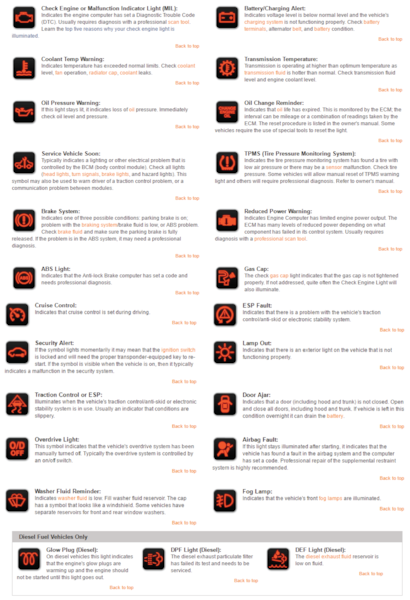
Credit: www.landmarkchryslerjeep.net
Frequently Asked Questions
What Does An A With A Circle Around It And An Exclamation Mark Mean On A Jeep?
The “A” with a circle and exclamation mark on a Jeep signals a fault in the Auto Start/Stop system. It means the system is not functioning properly and requires inspection, often due to battery or brake-related issues. Address this promptly to ensure vehicle safety and performance.
What Is The Most Serious Dashboard Light?
The most serious dashboard light is the red engine warning or oil pressure light. It signals urgent engine or oil issues requiring immediate attention. Ignoring it can cause severe engine damage and costly repairs. Always stop safely and check your vehicle promptly.
What Are The Jeep Codes?
Jeep codes are diagnostic trouble codes (DTCs) that identify vehicle issues. They help diagnose problems with the engine, transmission, or other systems. Use an OBD-II scanner to read these codes and determine necessary repairs or maintenance.
What Does The Lighting Light Mean On My Jeep?
The lighting light on your Jeep indicates an issue with the vehicle’s lighting system. Check bulbs, fuses, or wiring promptly.
Conclusion
Jeep warning lights help keep your vehicle safe and running well. Pay attention to each light’s color and symbol. Red lights need immediate action; yellow lights mean caution or service soon. Knowing these signals helps avoid costly repairs. Always check your Jeep’s manual for specific details.
Staying aware keeps your driving smooth and stress-free. Remember, these lights are your Jeep’s way of talking to you. Take care of warnings quickly for a safer ride every time.