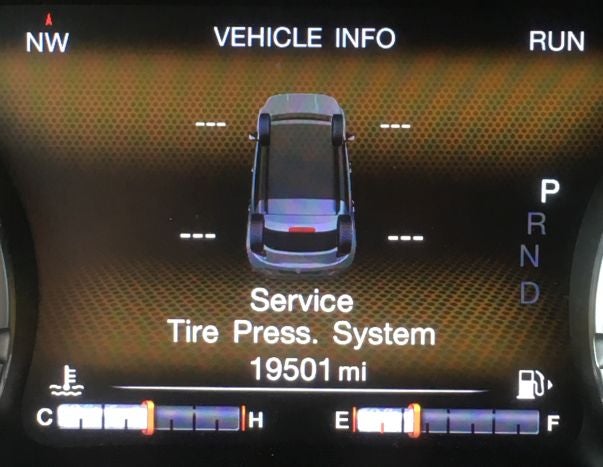
The Jeep Renegade’s Service Tire Pressure System monitors tire pressure and alerts you to any discrepancies. This ensures optimal driving safety and performance.
Maintaining proper tire pressure is crucial for vehicle safety and efficiency. The Jeep Renegade’s Service Tire Pressure System provides real-time monitoring, alerting drivers to any issues immediately. This advanced system helps prevent tire blowouts, improves fuel efficiency, and ensures a smoother ride.
Regularly checking and maintaining tire pressure can extend tire life and enhance driving comfort. The system’s alerts make it easier for drivers to take timely action, avoiding potential hazards. Properly inflated tires contribute significantly to overall vehicle performance and safety, making the Jeep Renegade’s Service Tire Pressure System an essential feature for responsible driving.

Credit: www.reddit.com
Introduction To Tire Pressure Monitoring
The Jeep Renegade Service Tire Pressure System is a crucial feature. It helps ensure your tires are always inflated to the right level. This system monitors tire pressure and alerts you to any issues.
Importance Of Correct Tire Pressure
Correct tire pressure is vital for your vehicle’s performance. It impacts your driving safety, fuel efficiency, and tire lifespan. Low tire pressure can cause poor handling and increased stopping distances. Overinflated tires can lead to a harsh ride and uneven tire wear.
Here are some key benefits of maintaining proper tire pressure:
- Enhanced Safety: Properly inflated tires offer better traction and control.
- Improved Fuel Efficiency: Correct tire pressure reduces rolling resistance.
- Extended Tire Life: Proper inflation prevents uneven tire wear.
Legal And Safety Standards
Maintaining correct tire pressure is not just about safety. It is also a legal requirement in many regions. Vehicles, including the Jeep Renegade, must meet specific standards for tire pressure monitoring. These standards ensure that the Tire Pressure Monitoring System (TPMS) works effectively.
| Region | Standard |
|---|---|
| United States | Federal Motor Vehicle Safety Standard (FMVSS) No. 138 |
| European Union | Regulation (EU) No 661/2009 |
Adhering to these standards ensures your vehicle is safe and compliant. The Jeep Renegade’s TPMS continuously monitors tire pressure. It alerts you to any issues before they become serious. Always check your tire pressure regularly for optimal performance.
Credit: www.jeeprenegadeforum.com
Jeep Renegade Tpms Overview
The Jeep Renegade is a popular compact SUV. It offers a range of modern features for a smooth and safe drive. One of its key features is the Tire Pressure Monitoring System (TPMS). This system helps maintain proper tire pressure. This ensures better fuel efficiency and safety on the road.
System Components
The Jeep Renegade TPMS consists of several important components. Each plays a crucial role in monitoring tire pressure.
- TPMS Sensors: Located in each tire, these sensors measure tire pressure.
- TPMS Control Module: Receives data from sensors and processes it.
- Dashboard Indicator Light: Alerts the driver if tire pressure is low.
How Tpms Works
The TPMS in the Jeep Renegade works in a simple yet effective manner. Here’s how it operates:
- Sensors in each tire measure the pressure.
- Data is sent to the TPMS Control Module.
- If pressure is low, the Dashboard Indicator Light turns on.
Maintaining proper tire pressure is essential. It ensures your Jeep Renegade performs at its best. Always keep an eye on the TPMS indicator light. It will help you avoid potential issues on the road.
Common Tpms Issues
The Jeep Renegade’s Tire Pressure Monitoring System (TPMS) is crucial. It ensures your tires are always at the right pressure. Sometimes, the system may face issues. Let’s explore the common TPMS issues and how to address them.
Sensor Failures
TPMS sensors can fail over time. These sensors are located in your tire. They measure the air pressure. When a sensor fails, you may see a warning light on your dashboard.
Common causes of sensor failures include:
- Physical damage: Hitting a curb or pothole can damage the sensor.
- Corrosion: Moisture can cause corrosion over time.
- Wear and tear: Sensors have a limited lifespan.
To fix a sensor issue, you might need a replacement. A professional mechanic can help. Ensure you replace with the correct part.
Battery Life
TPMS sensors have built-in batteries. These batteries power the sensors. Over time, batteries lose their charge. A weak battery can cause the TPMS to malfunction.
Signs of low battery include:
- Intermittent warning lights on the dashboard.
- Inconsistent tire pressure readings.
Typically, TPMS batteries last 5-10 years. If the battery is low, you need to replace the sensor. Regular checks can help identify battery issues early.
Addressing TPMS issues early can save you from bigger problems. Always ensure your TPMS is functioning well.

Credit: www.reddit.com
Diagnosing Tpms Problems
The Tire Pressure Monitoring System (TPMS) in your Jeep Renegade ensures your tires are safe. Diagnosing TPMS problems is essential for maintaining safety and performance. This guide will help you understand the key aspects of diagnosing TPMS issues.
Warning Light Indicators
One of the first signs of a TPMS issue is the warning light on your dashboard. This light indicates that one or more tires might be under-inflated. It’s crucial to check your tire pressure immediately.
If the warning light stays on after inflating your tires, there might be a sensor issue. Flashing warning lights suggest a malfunction in the TPMS system itself.
Using Diagnostic Tools
To accurately diagnose TPMS problems, you can use diagnostic tools. These tools read the data from your TPMS sensors. You can purchase a TPMS diagnostic tool or visit a professional mechanic.
Here is a simple table of common diagnostic tools and their functions:
| Tool | Function |
|---|---|
| TPMS Scanner | Reads and resets sensor data |
| OBD-II Reader | Accesses TPMS codes from the vehicle’s computer |
Using these tools, you can identify faulty sensors. Replace any sensors that are not working correctly.
Here are some steps to follow when using a TPMS scanner:
- Turn on the vehicle.
- Connect the TPMS scanner to the OBD-II port.
- Follow the scanner’s instructions to read sensor data.
- Identify any sensor issues and address them.
Regularly check and maintain your TPMS to ensure your Jeep Renegade runs smoothly. Understanding how to diagnose TPMS problems will help you stay safe on the road.
Resetting The Tpms
The Jeep Renegade’s Tire Pressure Monitoring System (TPMS) ensures optimal tire pressure. Resetting the TPMS is essential after tire changes or pressure adjustments. Follow these steps to keep your Jeep running smoothly.
Manual Reset Steps
To manually reset the TPMS on your Jeep Renegade, follow these simple steps:
- Turn the ignition key to the “On” position without starting the engine.
- Press the TPMS reset button, usually located under the steering wheel.
- Hold the button until the TPMS light blinks three times, then release.
- Start the engine and let it run for 20 minutes to recalibrate the sensors.
Make sure all tires are properly inflated to the recommended pressure before resetting.
Automatic Reset Features
Modern Jeep Renegades come with automatic TPMS reset features. This makes the process hassle-free.
- The system automatically resets after driving for 10 minutes above 15 mph.
- If the TPMS light stays on, check each tire’s pressure.
- Inflate tires to the recommended pressure, then drive for another 10 minutes.
These automatic features save time and ensure continuous safety.
Keep an eye on the TPMS light to ensure your Jeep Renegade’s tires are always in top condition.
Maintenance Tips
Maintaining the Jeep Renegade Service Tire Pressure System ensures safety and longevity. Regular checks and timely sensor replacements are key. Follow these tips to keep your system in top shape.
Regular Checks
Performing regular checks on your tire pressure system is crucial. Check tire pressure at least once a month. Use a reliable tire pressure gauge. Ensure all tires, including the spare, are properly inflated. Under-inflated tires can wear out quickly and affect fuel efficiency.
Refer to the Jeep Renegade manual for the recommended tire pressure levels. Keeping tires at the correct pressure enhances safety and performance. Always check tire pressure when the tires are cold. Hot tires can give inaccurate readings.
When To Replace Sensors
Tire pressure sensors have a limited lifespan. They typically last between 5 to 7 years. Replace sensors if you notice frequent low tire pressure warnings. Also, replace them if they fail to provide accurate readings.
Use a diagnostic tool to check the health of your sensors. If a sensor fails, replace it promptly. Faulty sensors can compromise your safety on the road. Always use OEM parts for replacements to ensure compatibility and reliability.
Professional Service Options
Maintaining the Jeep Renegade Service Tire Pressure System is crucial for safety. Professional service options ensure your system works properly. This section covers when to seek help and cost considerations.
When To Seek Help
There are several signs that indicate you might need professional help:
- Warning light stays on
- Inconsistent tire pressure readings
- Visible tire damage
- Unusual driving experience
If your warning light stays on, it’s best to consult a professional. Inconsistent tire pressure readings may suggest sensor issues. Visible tire damage often means it’s time for an expert check.
Cost Considerations
The cost of professional services can vary:
| Service Type | Estimated Cost |
|---|---|
| Basic Inspection | $50 – $100 |
| Sensor Replacement | $50 – $200 per sensor |
| Full System Diagnostic | $100 – $250 |
| Tire Replacement | $100 – $300 per tire |
Basic inspection usually costs between $50 and $100. Sensor replacement can range from $50 to $200 per sensor. For a full system diagnostic, expect to pay $100 to $250. Tire replacement costs vary but typically range from $100 to $300 per tire.
Investing in professional service ensures your Jeep Renegade stays safe and efficient.
Diy Vs Professional Repairs
Maintaining the Jeep Renegade Service Tire Pressure System is crucial for safety. Deciding between DIY and professional repairs can be tough. Each method has its own benefits and drawbacks. Let’s explore these options to help you make an informed choice.
Pros And Cons
| DIY Repairs | Professional Repairs |
|---|---|
|
|
|
|
Necessary Tools And Equipment
For a DIY repair, you need the right tools. Here’s a list of essential tools:
- Tire Pressure Gauge: To measure tire pressure.
- Air Compressor: To adjust tire pressure.
- Jack and Jack Stands: For lifting the vehicle safely.
- Torque Wrench: To ensure proper lug nut tension.
- TPMS Relearn Tool: To reset the tire pressure monitoring system.
Professional repair shops have advanced equipment. They use specialized tools:
- Diagnostic Scanners: To identify and clear error codes.
- Advanced TPMS Tools: For precise system calibration.
- Hydraulic Lifts: For safer vehicle handling.
- High-Quality Air Compressors: For accurate pressure adjustments.
Frequently Asked Questions
Why Does My Jeep Say Service Tire Pressure System?
Your Jeep says “service tire pressure system” because the Tire Pressure Monitoring System (TPMS) detects a problem. Check your tire pressure and sensors.
What Does It Mean When It Says Service Tire Pressure System?
“Service tire pressure system” means the vehicle’s tire pressure monitoring system needs maintenance or has detected a problem. Check tire pressure and sensors.
How To Reset Jeep Renegade Tire Pressure Sensor?
To reset the Jeep Renegade tire pressure sensor, inflate tires to the recommended PSI. Drive above 15 mph for 10 minutes. The sensor should reset.
How Can I Fix Service Tire Monitor System?
To fix the service tire monitor system, check tire pressure, replace faulty sensors, and reset the system using the vehicle’s manual.
Conclusion
Maintaining the Jeep Renegade’s tire pressure system ensures safety and performance. Regular checks prevent issues and save money. Always follow the manufacturer’s guidelines for optimal results. Keep your Jeep Renegade in top shape by prioritizing tire pressure maintenance. Your vehicle will thank you, and so will your wallet.