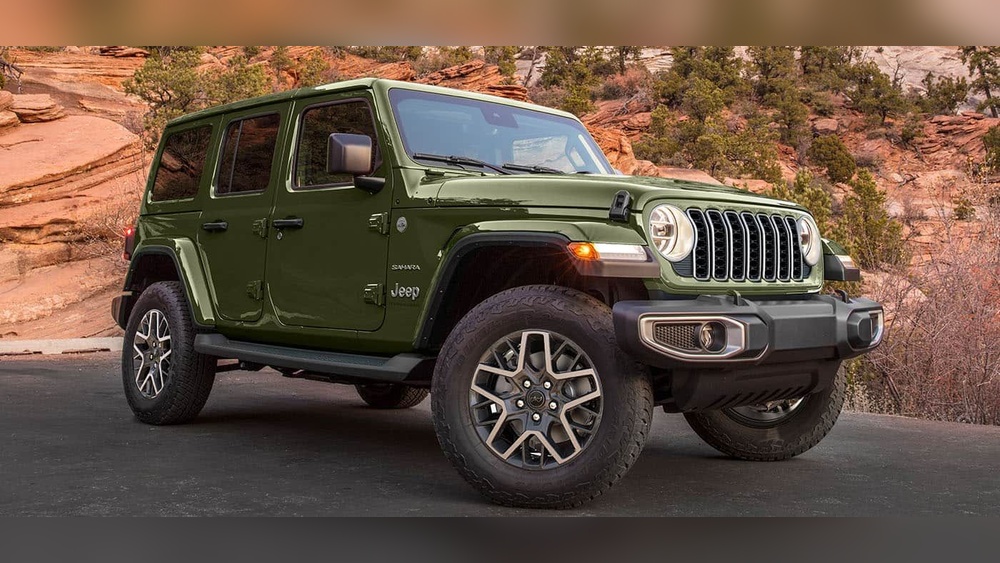
Are you stuck deciding between a Jeep or an SUV? Choosing the right vehicle isn’t just about looks—it’s about how it fits your lifestyle, your adventures, and your daily drives.
You want a ride that feels right every time you get behind the wheel. You’ll discover the key differences that matter most, helping you make a choice you’ll feel confident about. Keep reading, and by the end, you’ll know exactly which option suits your needs best.
Table of Contents
ToggleJeep Vs Suv
Choosing between a Jeep and a regular SUV can be tricky. Both serve the purpose of driving on rough roads and city streets. Yet, they offer different experiences and features. Understanding these differences helps make a better choice.
Key Differences
A Jeep is a brand known for rugged off-road vehicles. SUVs include many brands and models. They vary in size, style, and function. Jeeps usually have strong four-wheel drive systems. Many SUVs focus more on comfort and space. Jeeps often have a boxy shape. SUVs may look more like regular cars or trucks.
Performance Comparison
Jeeps are built to handle tough terrain. They have high ground clearance and solid axles. This makes them good for climbing rocks and mud. Most SUVs offer smoother rides on paved roads. They have softer suspensions and better fuel economy. Some SUVs have all-wheel drive but are less capable off-road than Jeeps.
Design And Style
Jeep designs focus on durability and classic look. Their designs are simple, with a rugged charm. Many people like the iconic Jeep grille and round headlights. SUVs come in many styles, from sporty to luxury. They often have sleek lines and modern features. Inside, SUVs tend to offer more space and tech options.
Off-road Capabilities
Off-road capabilities define how well a vehicle handles rough terrain. Jeeps and SUVs offer different levels of performance here. Understanding their strengths helps you choose the right one for your adventures.
Each model varies in handling trails, ground clearance, and 4WD systems. These features directly affect your driving experience off the pavement.
Trail Performance
Trail performance measures how a vehicle moves on dirt, rocks, and mud. Jeeps often have better suspension and tires designed for tough trails. SUVs may handle mild trails but can struggle in extreme conditions. A good trail vehicle keeps you stable and safe on uneven ground.
Ground Clearance
Ground clearance is the space between the vehicle’s bottom and the ground. Higher clearance helps avoid damage from rocks and bumps. Jeeps typically have more ground clearance than many SUVs. This allows them to cross rough paths without getting stuck or scraped.
4wd Systems
Four-wheel drive (4WD) systems send power to all wheels for better traction. Jeeps usually come with advanced 4WD options for serious off-roading. Some SUVs offer 4WD but with less control and capability. Effective 4WD helps climb steep hills and navigate slippery surfaces.
Comfort And Interior
Comfort and interior design are key factors when choosing between a Jeep and an SUV. Both types offer unique features that affect your driving experience. This section explores seating, technology, and ride quality to help you decide which fits your needs best.
Seating And Space
Jeep models often focus on rugged, durable seating. The seats are usually firm and supportive for off-road trips. SUVs tend to offer softer seats with more cushioning for daily drives. Space inside SUVs is often larger, with extra legroom and cargo capacity. Jeep interiors might feel tighter but are designed to handle tough conditions.
Technology Features
Modern SUVs come with advanced tech like large touchscreens, smartphone integration, and driver assistance. Jeeps also include tech but prioritize durability and ease of use. Some Jeep models have simple controls that work well even with gloves. SUVs often have more luxury features, such as premium audio and climate control.
Ride Quality
Jeep ride quality is built for rough terrain. The suspension is stiffer to absorb shocks from off-road adventures. This can make the ride feel bumpy on smooth roads. SUVs usually have softer suspension systems for a smoother drive on highways and city streets. This makes SUVs better suited for comfort over long distances.
Fuel Efficiency And Maintenance
Fuel efficiency and maintenance are key factors for many buyers deciding between a Jeep and an SUV. These aspects affect daily costs and long-term ownership experience. Understanding how each vehicle performs can help make a smarter choice.
Fuel Economy
Jeeps often have powerful engines that use more fuel. They are built for off-road and rugged use, which can lower miles per gallon. SUVs, especially smaller or hybrid models, usually offer better fuel economy. They are designed for city and highway driving, saving money on gas.
Maintenance Costs
Jeeps may require more frequent repairs due to their tough use. Off-road driving can cause extra wear and tear on parts. SUV maintenance tends to be less costly if the vehicle is used mainly on paved roads. Regular servicing and cheaper parts keep costs down.
Reliability
Jeeps have a strong reputation for handling rough terrain but can face issues with electronics and suspension. Many SUVs are built for comfort and daily use, often scoring higher in reliability tests. Choosing a model known for durability reduces unexpected problems.
Safety Features
Safety features are key when choosing between a Jeep and an SUV. Both offer strong protection but differ in some details. Understanding these safety aspects helps make a smart choice.
Driver Assistance
Jeep and SUVs often include driver assistance tools. These systems help avoid accidents by alerting drivers to dangers. Features like lane-keeping assist, adaptive cruise control, and blind-spot monitoring come standard or optional. They reduce driver stress and improve road safety.
Crash Ratings
Crash test results reveal a vehicle’s safety in real accidents. SUVs often perform well in crash ratings from top safety organizations. Jeep models have improved over time but vary by model. Checking official crash ratings guides buyers toward safer options.
Safety Innovations
Both Jeep and SUVs feature new safety technologies. Emergency braking, electronic stability control, and multiple airbags are common. Some SUVs add advanced systems like pedestrian detection and rear cross-traffic alerts. These innovations protect passengers and pedestrians alike.
Price And Value
Price and value are key factors when choosing between a Jeep and an SUV. Both types offer unique benefits. Knowing the costs helps make a smart choice. This section breaks down the main price points and value aspects.
Initial Cost
Jeeps often have a higher starting price due to their off-road features. SUVs vary widely in price depending on size and brand. Compact SUVs generally cost less than Jeep models. Buyers should consider their budget carefully before deciding.
Resale Value
Jeeps tend to hold value well over time. Their rugged design appeals to many buyers later on. SUVs usually lose value faster, especially luxury models. However, some SUV brands keep their price better than others.
Ownership Experience
Owning a Jeep may mean higher fuel and maintenance costs. The off-road capability adds value for adventure lovers. SUVs often offer lower running costs and more comfort. Think about daily use and long-term expenses before choosing.
Choosing Your Adventure Ride
Choosing your adventure ride means finding the right vehicle for your lifestyle. Both Jeeps and SUVs offer unique benefits. Your choice depends on how you plan to use the vehicle. Understanding your daily needs, the type of adventures you enjoy, and your personal likes helps make this decision easier.
Daily Driving Needs
Think about your everyday travel. Do you drive mostly in the city or on rough roads? SUVs often provide a smooth and comfortable ride for city streets. Jeeps excel on tough terrain but can be less comfortable on paved roads. Fuel efficiency and parking ease also matter. Choose a ride that fits your daily routine well.
Adventure Types
Consider the kind of adventures you enjoy. Off-roading and trail driving suit Jeep vehicles. They have strong four-wheel drive and high ground clearance. For camping trips or family vacations, SUVs offer more space and comfort. Some SUVs handle light off-road paths too. Match the vehicle to your adventure style.
Personal Preferences
Your style and comfort choices count a lot. Jeeps have a rugged, bold look that appeals to many. SUVs come in various designs, from sporty to elegant. Interior features, seating comfort, and technology options differ. Test driving both helps find what feels best. Your ride should fit your personality and needs.
How JeepKnowledge Can Help You with Jeep Or Suv?
Exploring Practical Learning Opportunities with Jeep vs SUV
Deciding between a Jeep or an SUV often sparks curiosity beyond just specs—it opens doors to practical learning about vehicle performance and maintenance. For example, understanding off-road capabilities provides hands-on insight into terrain navigation, which can be a rewarding experience for enthusiasts who love adventure. Exploring comfort and interior features also offers a chance to learn how design impacts long trips and daily drives.
- Delve into fuel efficiency and maintenance routines to grasp the long-term care each vehicle demands.
- Compare safety features to appreciate how technology enhances driver and passenger protection.
At JeepKnowledge, the community-oriented approach encourages owners and prospective buyers to share experiences and technical know-how, turning curiosity into practical knowledge. For personalized advice or deeper discussions, reaching out via info@jeepknowledge.com can connect you with experts eager to guide your journey.
Frequently Asked Questions
What Is The Main Difference Between A Jeep And An Suv?
A Jeep is a brand known for rugged, off-road vehicles. SUVs are a broader category, including many brands and styles, from family-friendly to off-road capable.
Are Jeeps Better For Off-road Driving Than Suvs?
Yes, Jeeps are often designed with superior off-road features. Many SUVs prioritize comfort and fuel efficiency over extreme off-road capabilities.
Which Vehicle Type Is More Fuel-efficient: Jeep Or Suv?
Generally, SUVs offer better fuel efficiency due to varied engine options. Jeeps, built for off-roading, may consume more fuel in rough conditions.
Is A Jeep Suitable For Daily City Driving Compared To An Suv?
Jeeps can be used daily but may lack some SUV comforts. SUVs usually provide smoother rides and more interior space for city driving.
Conclusion
Choosing between a Jeep and an SUV depends on your needs. Jeeps suit rough roads and adventure lovers. SUVs offer more space and comfort for families. Think about where you will drive most. Consider what features matter to you. Both vehicles have strong points.
Pick the one that fits your lifestyle best. Drive safe and enjoy the ride.