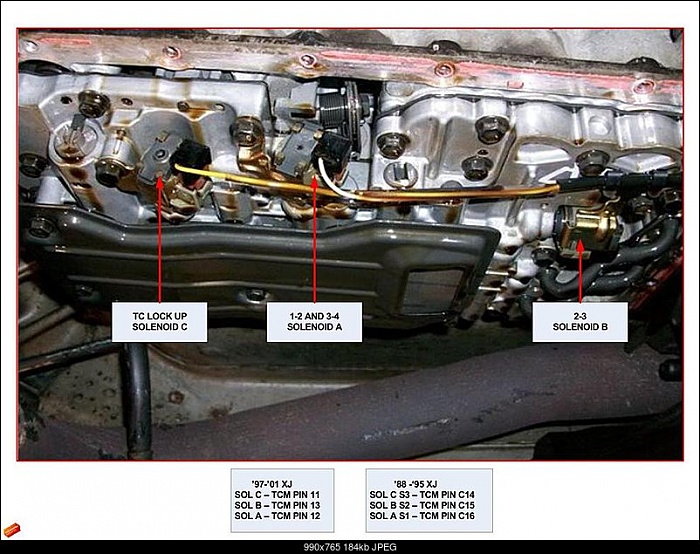
Jeep Grand Cherokee shift solenoid problems can cause transmission issues. Symptoms include rough shifting, stalling, and transmission failure.
The Jeep Grand Cherokee is a popular SUV known for its off-road capabilities and comfort. Shift solenoid problems can disrupt this experience, leading to transmission issues that affect drivability. The shift solenoid controls the flow of transmission fluid, which is crucial for smooth gear shifts.
When it malfunctions, you may notice rough shifting, stalling, or even complete transmission failure. Addressing these problems early can prevent costly repairs and maintain your vehicle’s performance. Regular maintenance and diagnostic checks can help identify and fix shift solenoid issues, ensuring a smoother driving experience.
Credit: www.jeepgarage.org
Common Shift Solenoid Issues
The Jeep Grand Cherokee is a popular SUV known for its performance. But, it can face shift solenoid problems. These issues can affect the vehicle’s shifting capabilities. Understanding these problems can help you maintain your vehicle better.
Symptoms To Watch For
Recognizing the symptoms early can prevent bigger issues. Here are some common signs:
- Delayed shifting: This is when the car takes time to change gears.
- Transmission slipping: This happens when the car changes gears unexpectedly.
- Check engine light: This light may turn on if there is a solenoid issue.
- Strange noises: You might hear clunking or whining noises from the transmission.
- Poor fuel economy: The vehicle may consume more fuel than usual.
Causes Of Failure
Several factors can lead to shift solenoid failure. Here are the common causes:
- Worn-out solenoids: Over time, solenoids can wear out and fail.
- Dirty transmission fluid: Contaminated fluid can affect solenoid performance.
- Electrical issues: Faulty wiring can disrupt solenoid function.
- Overheating: Excessive heat can damage the solenoid.
- Mechanical wear: General wear and tear can cause failure.
Maintaining your Jeep Grand Cherokee’s transmission system is crucial. Regular checks can help identify problems early. Timely repairs can ensure smoother driving experiences.
Diagnosing Shift Solenoid Problems
The Jeep Grand Cherokee is a robust vehicle. But, shift solenoid issues can arise. Diagnosing these problems early ensures smooth driving. Let’s dive into how to diagnose shift solenoid problems.
Tools Needed
Before starting, gather these tools:
- OBD-II Scanner: For reading error codes.
- Multimeter: To measure voltage and resistance.
- Wrenches and Sockets: For accessing the solenoid.
- Jack and Jack Stands: To lift the vehicle safely.
- Service Manual: For specific vehicle guidelines.
Step-by-step Guide
Follow these steps to diagnose shift solenoid problems:
- Scan for Error Codes
- Connect the OBD-II scanner to the port.
- Turn the ignition on.
- Read the error codes displayed.
- Note any codes related to the transmission.
- Inspect Transmission Fluid
- Check the transmission fluid level.
- Ensure it is at the recommended level.
- Inspect the fluid color and smell.
- Dark or burnt-smelling fluid indicates issues.
- Test the Shift Solenoid
- Lift the vehicle using a jack and jack stands.
- Locate the shift solenoid in the transmission.
- Disconnect the solenoid’s electrical connector.
- Use a multimeter to measure resistance.
- Compare the reading with the service manual.
- Check for Wiring Issues
- Inspect the wiring for any damage.
- Look for frayed or broken wires.
- Ensure all connections are secure.
- Perform a Road Test
- Drive the vehicle on a safe road.
- Observe the shifting behavior.
- Note any unusual noises or delays.
Using these steps, diagnose shift solenoid problems effectively. Ensure your Jeep Grand Cherokee runs smoothly.
Temporary Fixes
Experiencing issues with your Jeep Grand Cherokee shift solenoid can be frustrating. While a permanent fix is always ideal, sometimes you need a quick solution. Temporary fixes can help you keep your vehicle running smoothly until you can address the issue fully.
Quick Remedies
Here are some quick remedies that can help you manage shift solenoid problems temporarily:
- Check Transmission Fluid: Low or dirty fluid can cause issues. Top it up or replace it.
- Reset the Computer: Disconnect the battery for 30 minutes. This can reset the transmission control module.
- Manual Shifting: Use manual mode to shift gears if automatic shifting fails.
- Use an OBD-II Scanner: Clear any error codes that might be affecting the solenoid.
When To Use Temporary Fixes
Temporary fixes are not a long-term solution. Use them in the following situations:
- Emergency Situations: When you need to drive short distances urgently.
- Pending Repairs: While waiting for parts or a mechanic appointment.
- Identifying the Problem: To narrow down what might be wrong before a full diagnosis.
Below is a table summarizing the quick remedies and when to use them:
| Quick Remedy | When to Use |
|---|---|
| Check Transmission Fluid | Low or dirty fluid suspected |
| Reset the Computer | Error codes or transmission issues |
| Manual Shifting | Automatic shifting failure |
| Use an OBD-II Scanner | Error codes present |
Permanent Solutions
Experiencing problems with the Jeep Grand Cherokee shift solenoid can be frustrating. Permanent solutions can save time and money. This section will discuss effective methods to fix these issues for good.
Replacing The Solenoid
Replacing the shift solenoid is a common fix. The solenoid controls the flow of transmission fluid, ensuring smooth gear shifts. A faulty solenoid can cause delays in shifting or even prevent shifting altogether.
Here are the steps to replace the solenoid:
- Disconnect the battery to ensure safety.
- Locate the transmission pan and remove it.
- Drain the transmission fluid into a container.
- Detach the old solenoid and replace it with a new one.
- Reattach the transmission pan and refill with fresh fluid.
- Reconnect the battery and test the vehicle.
Ensure to use the correct solenoid for your Jeep Grand Cherokee model. This ensures compatibility and longevity.
Professional Repair Options
For those less comfortable with DIY repairs, professional help is available. Certified mechanics can diagnose and fix shift solenoid problems efficiently.
Benefits of professional repair include:
- Accurate diagnosis of the problem.
- Proper tools and equipment for the job.
- Warranty on parts and labor.
- Expert advice on preventing future issues.
Professional repairs may cost more upfront. But they often prevent costly mistakes and ensure a permanent fix.
Here is a quick comparison between DIY and professional repair:
| DIY Repair | Professional Repair |
|---|---|
| Low cost | Higher cost |
| Requires tools and skills | No skills needed |
| Time-consuming | Quick and efficient |
| No warranty | Warranty included |
Consider your comfort level and the complexity of the job. This will help you decide the best option for fixing your Jeep Grand Cherokee shift solenoid problems.
Preventive Maintenance
Preventive maintenance is key to avoiding shift solenoid problems in your Jeep Grand Cherokee. Regular checks and fluid maintenance help extend the life of your vehicle. This section will guide you through crucial steps to prevent shift solenoid issues.
Regular Checks
Regular checks are essential for keeping your Jeep Grand Cherokee in top shape. Inspect the shift solenoid at least once a month. Look for signs of wear or damage. Use a diagnostic tool to check for error codes. Catching problems early can save you money and hassle.
- Inspect shift solenoid monthly
- Look for wear or damage
- Use diagnostic tools for error codes
Fluid Maintenance
Fluid maintenance is crucial for the health of your shift solenoid. Always use the recommended transmission fluid. Check the fluid level every 3,000 miles. Low fluid levels can cause the solenoid to malfunction. Change the transmission fluid every 30,000 miles.
| Maintenance Task | Frequency |
|---|---|
| Check fluid level | Every 3,000 miles |
| Change transmission fluid | Every 30,000 miles |
Proper fluid levels and quality extend the life of your shift solenoid. Neglecting fluid maintenance can lead to costly repairs. Make it a habit to check and change the fluid regularly.
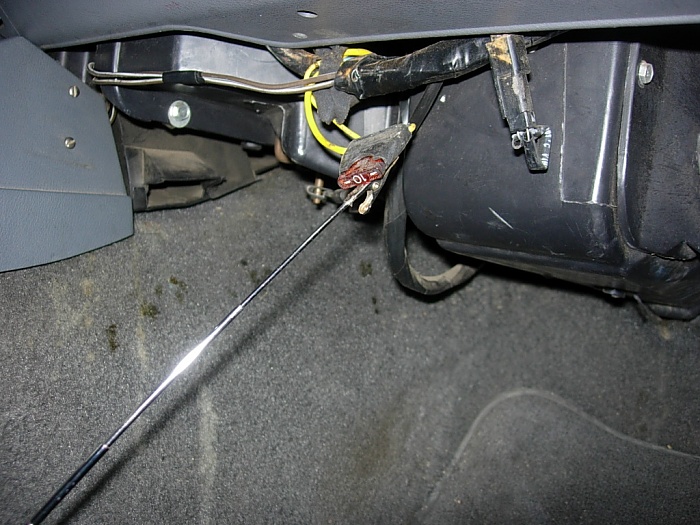
Credit: www.cherokeeforum.com
Cost Considerations
Understanding the cost considerations of Jeep Grand Cherokee shift solenoid problems is vital. This helps owners make informed decisions. Let’s explore these costs in detail.
Diy Vs Professional
Fixing the shift solenoid yourself can save money. But it requires some mechanical skills. A DIY repair kit may cost between $50 to $150. This includes the solenoid and essential tools.
Professional repairs are more costly. They offer expert knowledge and peace of mind. A professional mechanic may charge between $200 to $500 for the job. This cost includes labor and parts.
Parts And Labor Costs
The cost of parts varies. A shift solenoid ranges from $20 to $100. The price depends on the brand and quality. Labor costs can also vary widely.
| Service | Cost Range |
|---|---|
| DIY Repair Kit | $50 – $150 |
| Professional Labor | $100 – $400 |
| Shift Solenoid | $20 – $100 |
Professional labor costs are typically higher. The mechanic’s expertise is factored into the cost. They ensure the job is done right.
Regular maintenance can help avoid costly repairs. It is important to address shift solenoid issues promptly. This can save money in the long run.
Expert Tips
Are you dealing with Jeep Grand Cherokee shift solenoid problems? Follow these expert tips to keep your vehicle running smoothly. This section will guide you through choosing quality parts and avoiding common mistakes.
Choosing Quality Parts
Selecting quality parts for your Jeep Grand Cherokee is crucial. Always go for parts from reputable brands. Avoid cheap, no-name brands as they may fail quickly.
- Check for manufacturer warranties.
- Read customer reviews.
- Consult your mechanic for advice.
OEM parts are often a better choice. These parts are made specifically for your Jeep. They fit better and last longer.
Avoiding Common Mistakes
Avoiding common mistakes can save you time and money. First, don’t ignore early warning signs. Delayed shifting and strange noises are red flags.
- Address issues immediately to prevent further damage.
- Never use the wrong transmission fluid.
- Always follow the manufacturer’s guidelines.
Regular maintenance is key. Check your transmission fluid regularly. Keep your Jeep’s software updated to prevent electronic issues.
| Common Mistake | Solution |
|---|---|
| Ignoring warning signs | Address issues immediately |
| Using wrong fluid | Use recommended transmission fluid |
| Skipping software updates | Keep software updated |
Faqs
Are you facing problems with your Jeep Grand Cherokee shift solenoid? You’re not alone. This section addresses common questions and expert answers about these issues. We aim to provide clear and concise information to help you understand and resolve your shift solenoid problems.
Common Questions
- What is a shift solenoid?
- How do I know if my shift solenoid is faulty?
- Can a faulty shift solenoid cause transmission problems?
- How much does it cost to replace a shift solenoid?
Expert Answers
What is a shift solenoid?
A shift solenoid is a small valve in the transmission. It controls fluid flow. This helps in changing gears smoothly.
How do I know if my shift solenoid is faulty?
Look for these signs:
- Delayed gear shifting
- Unusual noises
- Transmission warning light
- Erratic shifting
Can a faulty shift solenoid cause transmission problems?
Yes, a faulty shift solenoid can cause serious transmission issues. These include hard shifts, slipping gears, and even transmission failure.
How much does it cost to replace a shift solenoid?
| Repair Type | Cost Range |
|---|---|
| DIY Replacement | $50 – $150 |
| Professional Repair | $200 – $500 |
The costs can vary based on labor and parts.
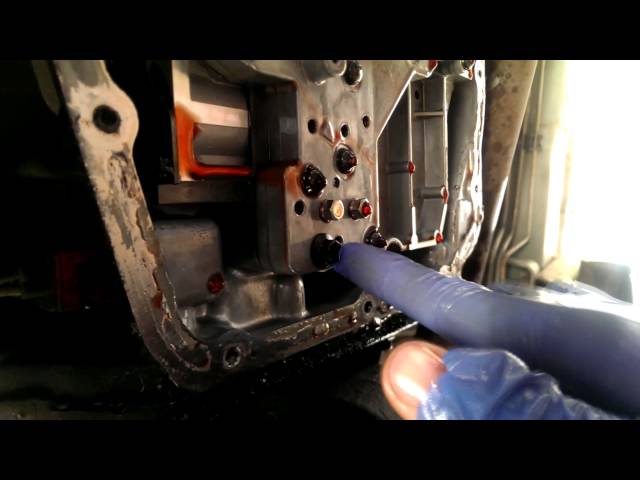
Credit: www.youtube.com
Frequently Asked Questions
What Are The Symptoms Of A Bad Shift Solenoid?
Symptoms of a bad shift solenoid include delayed or erratic shifting, transmission slipping, and unusual noises. Warning lights may also appear.
Can I Drive With A Bad Transmission Shift Solenoid?
Driving with a bad transmission shift solenoid is risky. It can cause shifting issues and damage your transmission. Seek professional repair immediately to avoid further complications.
How Much Does It Cost To Replace A Solenoid On A Jeep Grand Cherokee?
Replacing a solenoid on a Jeep Grand Cherokee typically costs between $150 and $300. This includes parts and labor.
Will A Transmission Shift Solenoid Throw A Code?
Yes, a faulty transmission shift solenoid can trigger a diagnostic trouble code. This code alerts you to the issue.
Conclusion
Experiencing shift solenoid problems in your Jeep Grand Cherokee can be frustrating. Timely diagnosis and repair are crucial. Regular maintenance helps prevent future issues. Consult a professional mechanic for accurate solutions. Proper care ensures your vehicle runs smoothly and efficiently.
Stay informed and proactive to keep your Jeep in top condition.