The Jeep Compass is a compact SUV known for its value and versatility. The Jeep Cherokee offers a larger size and more powerful engine options.
The Jeep Compass and Jeep Cherokee are popular choices among SUV enthusiasts. The Compass is ideal for city driving, offering a comfortable ride and decent fuel economy. It’s perfect for those who need a reliable vehicle with off-road capabilities. On the other hand, the Cherokee provides more power and space, making it suitable for families or those who need extra cargo room.
Both models come with advanced safety features and modern technology, catering to various needs and preferences. Whether you prioritize efficiency or power, both Jeeps deliver solid performance.
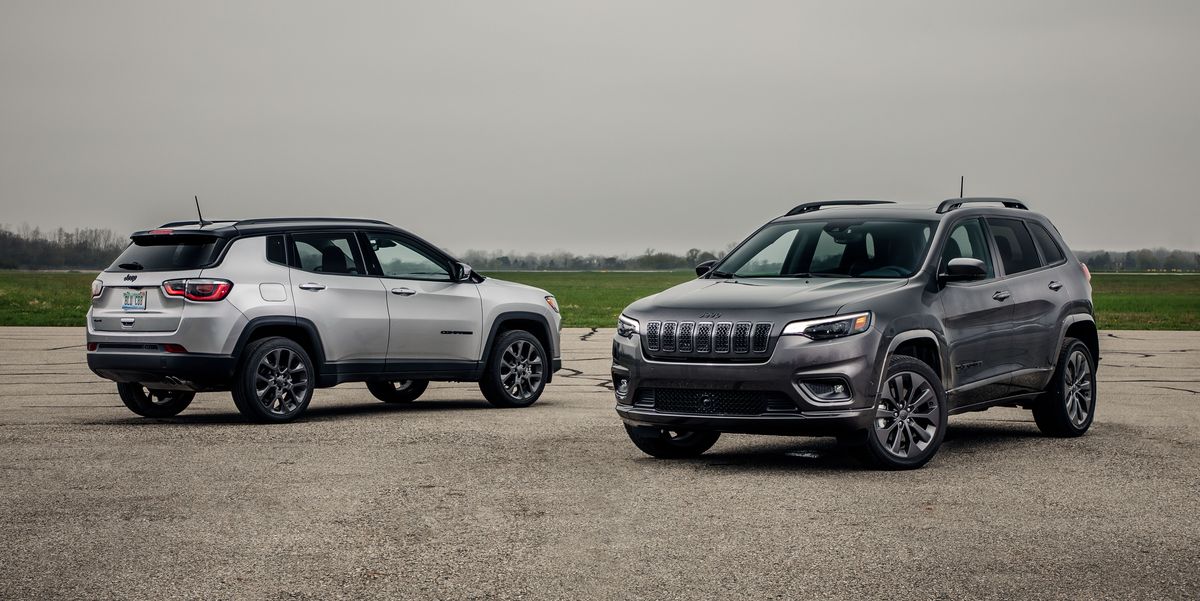
Credit: www.caranddriver.com
Exterior Design
The exterior design of a vehicle speaks volumes about its character. The Jeep Compass and Jeep Cherokee showcase distinct styling, aesthetics, and build quality. Each model offers a unique take on Jeep’s rugged and adventurous spirit.
Styling And Aesthetics
The Jeep Compass boasts a modern, sleek look. Its sharp lines and aerodynamic shape appeal to urban drivers. The front fascia features the iconic seven-slot grille, flanked by stylish LED headlights.
In contrast, the Jeep Cherokee presents a bolder, more aggressive stance. Its muscular build and higher ground clearance cater to off-road enthusiasts. The Cherokee also sports the seven-slot grille but with a more pronounced, rugged design.
| Feature | Jeep Compass | Jeep Cherokee |
|---|---|---|
| Grille Design | Refined, Urban | Rugged, Bold |
| Headlights | Sleek LED | Robust LED |
| Body Lines | Sharp, Aerodynamic | Muscular, Sturdy |
Build Quality
The build quality of both the Compass and Cherokee reflects Jeep’s commitment to durability. The Compass features a unibody construction, offering a solid, compact feel. This design contributes to its agility and efficiency in city driving.
The Cherokee, on the other hand, uses a body-on-frame construction. This method enhances its strength and off-road capabilities. The Cherokee’s build is designed to withstand tougher terrains and heavier loads.
- Jeep Compass: Unibody construction, ideal for urban environments.
- Jeep Cherokee: Body-on-frame build, perfect for off-road adventures.
Both models use high-quality materials, ensuring longevity and resilience. The Compass focuses on a lighter, more efficient build. The Cherokee emphasizes robustness and endurance.
Interior Features
Choosing between the Jeep Compass and Jeep Cherokee can be challenging. Both SUVs offer impressive interior features. Let’s explore their comfort, space, technology, and infotainment options.
Comfort And Space
The Jeep Compass provides a cozy interior with comfortable seats. The front seats have ample legroom, making long drives pleasant. The rear seats can accommodate three passengers with ease.
The Jeep Cherokee takes comfort up a notch. It offers more interior space than the Compass. The seats are plush and designed for extended comfort. The rear seats in the Cherokee also provide more legroom, making it ideal for taller passengers.
| Feature | Jeep Compass | Jeep Cherokee |
|---|---|---|
| Front Legroom | 41.8 inches | 41.1 inches |
| Rear Legroom | 38.3 inches | 40.3 inches |
| Seating Capacity | 5 | 5 |
Technology And Infotainment
The Jeep Compass features a user-friendly infotainment system. It comes with a standard 8.4-inch touchscreen. The system supports Apple CarPlay and Android Auto, ensuring seamless smartphone integration.
The Jeep Cherokee also boasts impressive technology. It offers an available 8.4-inch touchscreen with the Uconnect system. The Cherokee’s infotainment system is more advanced, providing better responsiveness and additional features.
- Apple CarPlay
- Android Auto
- Bluetooth Connectivity
- Voice Command
Both models come equipped with multiple USB ports. They also feature premium audio systems, enhancing the driving experience. The Cherokee, however, includes additional tech perks like navigation and a larger digital driver display.
Performance
Performance is a crucial factor when choosing between the Jeep Compass and the Jeep Cherokee. This section delves into the key performance aspects, including engine options and fuel efficiency.
Engine Options
The Jeep Compass offers two engine options:
- 2.4L Tigershark® MultiAir® 2 engine
- 1.3L Turbo engine
On the other hand, the Jeep Cherokee provides three engine choices:
- 2.4L Tigershark® MultiAir® 2 engine
- 3.2L Pentastar® V6 engine
- 2.0L Turbo engine
The Cherokee’s V6 engine delivers more power, making it ideal for off-road adventures.
Fuel Efficiency
Fuel efficiency is another essential consideration. Below is a comparison table for better understanding:
| Model | Engine | City MPG | Highway MPG |
|---|---|---|---|
| Jeep Compass | 2.4L Tigershark® | 22 | 31 |
| Jeep Compass | 1.3L Turbo | 23 | 32 |
| Jeep Cherokee | 2.4L Tigershark® | 21 | 29 |
| Jeep Cherokee | 3.2L V6 | 20 | 27 |
| Jeep Cherokee | 2.0L Turbo | 23 | 31 |
The Jeep Compass generally offers better fuel efficiency. The 1.3L Turbo engine stands out with 23 City MPG and 32 Highway MPG. The Jeep Cherokee provides options for those needing more power, but at a slight sacrifice in fuel economy.
Safety
Safety is a top priority for car buyers. Jeep Compass and Jeep Cherokee offer robust safety features. This section compares their safety ratings and driver assistance features.
Safety Ratings
The Jeep Compass and Jeep Cherokee have impressive safety ratings. Both vehicles have undergone rigorous testing. The National Highway Traffic Safety Administration (NHTSA) and the Insurance Institute for Highway Safety (IIHS) provide these ratings. Here is a comparative table:
| Model | NHTSA Overall Rating | IIHS Rating |
|---|---|---|
| Jeep Compass | 4 Stars | Good |
| Jeep Cherokee | 5 Stars | Top Safety Pick |
Driver Assistance Features
Driver assistance features enhance safety. Both models offer advanced technologies. Below is a list of key features for each:
- Jeep Compass:
- Blind Spot Monitoring
- LaneSense Lane Departure Warning
- Forward Collision Warning
- Adaptive Cruise Control
- Jeep Cherokee:
- Blind Spot Monitoring
- Lane Departure Warning Plus
- Full-Speed Forward Collision Warning
- Adaptive Cruise Control with Stop and Go
Both models offer Blind Spot Monitoring and Adaptive Cruise Control. The Cherokee includes more advanced features. These include Full-Speed Forward Collision Warning and Lane Departure Warning Plus.
Off-road Capabilities
Both the Jeep Compass and Jeep Cherokee are known for their off-road prowess. Each model offers unique features that enhance their performance on rugged terrains. This section will explore their terrain handling and special features.
Terrain Handling
The Jeep Compass excels in light to moderate off-road conditions. It features the Jeep Active Drive system. This system automatically engages four-wheel drive when needed. It provides a smooth and controlled ride. The Compass also includes the Selec-Terrain system. This system offers multiple driving modes, including Auto, Snow, Sand, and Mud.
The Jeep Cherokee takes off-road capabilities a step further. It includes the Jeep Active Drive II system. This system offers a low-range mode for better traction on steep inclines. The Cherokee also features the Selec-Terrain system. This system includes an additional Rock mode. Rock mode provides extra stability on rocky surfaces.
Special Features
The Jeep Compass comes with several off-road features. It includes skid plates to protect the undercarriage. It also has tow hooks for recovery situations. The Compass Trailhawk variant offers increased ground clearance. This model also features hill descent control.
The Jeep Cherokee offers advanced off-road features. The Trailhawk variant includes locking rear differential. This feature improves traction on challenging terrains. The Cherokee also has higher ground clearance. It includes advanced skid plates for added protection. Additionally, the Cherokee offers Hill Start Assist and Hill Descent Control for better control on slopes.
| Feature | Jeep Compass | Jeep Cherokee |
|---|---|---|
| Terrain Handling System | Jeep Active Drive | Jeep Active Drive II |
| Selec-Terrain Modes | Auto, Snow, Sand, Mud | Auto, Snow, Sand, Mud, Rock |
| Ground Clearance | Increased in Trailhawk | Higher in Trailhawk |
| Special Features | Skid Plates, Tow Hooks | Locking Rear Differential, Advanced Skid Plates |
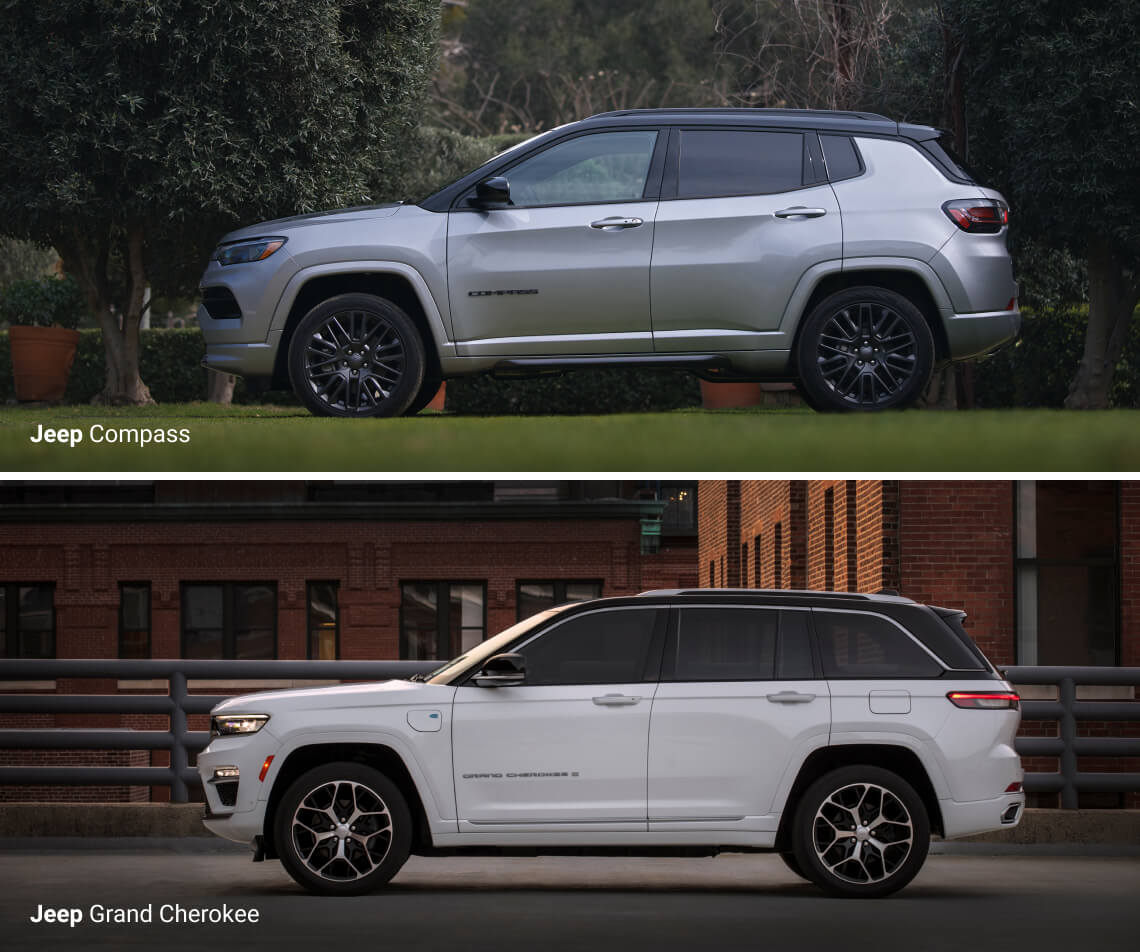
Credit: www.darcarschryslerjeepdodgeofnewcarrollton.com
Pricing
When choosing between the Jeep Compass and Jeep Cherokee, pricing is a crucial factor. Both vehicles offer unique features and benefits, but understanding their pricing can help make an informed decision.
Base Price
The base price is the starting point for any vehicle purchase. Let’s explore the base prices of the Jeep Compass and Jeep Cherokee.
| Model | Base Price |
|---|---|
| Jeep Compass | $24,000 |
| Jeep Cherokee | $27,000 |
The Jeep Compass has a lower base price, making it more affordable initially. The Jeep Cherokee, while higher, offers additional features and capabilities.
Value For Money
Value for money is essential when comparing these two SUVs. Let’s break down what each vehicle offers at their respective price points.
- Jeep Compass:
- Affordable base price
- Good fuel economy
- Compact size for city driving
- Jeep Cherokee:
- Higher base price
- More advanced features
- Better off-road capabilities
The Jeep Compass is a great choice for budget-conscious buyers. The Cherokee, with its extra features, provides more value for those willing to spend more.
In summary, the Jeep Compass and Jeep Cherokee have different pricing strategies. The Compass is more budget-friendly, while the Cherokee offers more features and capabilities for a higher price.
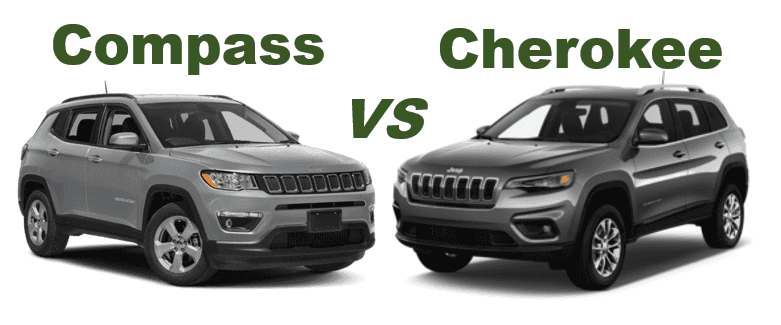
Credit: www.freedomcdjroflexington.com
Frequently Asked Questions
What Jeep Is Better, Cherokee Or Compass?
The Jeep Cherokee offers more power and off-road capability. The Jeep Compass provides better fuel efficiency and affordability. Choose based on needs.
What Are The Downsides To Jeep Compass?
The Jeep Compass has limited cargo space, average fuel efficiency, and can be pricey for its segment. Some users report a sluggish acceleration and occasional transmission issues.
What Is The Jeep Compass Comparable To?
The Jeep Compass is comparable to the Honda CR-V, Toyota RAV4, and Ford Escape. These compact SUVs offer similar features, performance, and price points.
Why Was The Jeep Compass Discontinued?
The Jeep Compass was discontinued due to declining sales, increased competition, and a shift in Jeep’s focus to other models.
Conclusion
Choosing between the Jeep Compass and Jeep Cherokee depends on your needs. Both offer unique features and impressive performance. The Compass is ideal for city driving, while the Cherokee excels in off-road capabilities. Consider your lifestyle and preferences to make the best choice.
Enjoy your adventure, whether urban or wild.