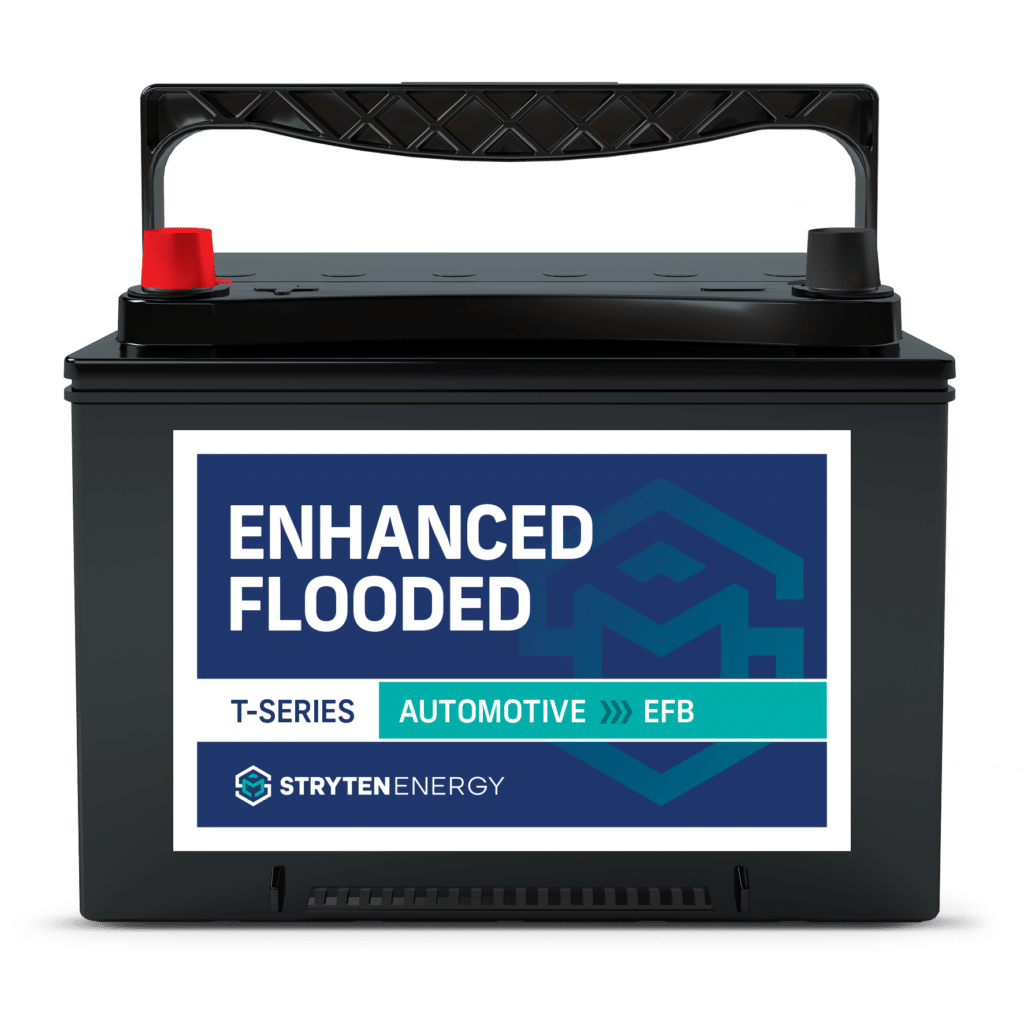
If you rely on your vehicle every day, you know how important a strong, reliable battery is. An Enhanced Flooded Battery (EFB) could be exactly what your car needs to keep running smoothly, especially if it has start-stop technology.
Unlike regular batteries, EFBs are built to handle the extra demands of modern driving — frequent stops, advanced electronics, and hot weather conditions. Curious about how an EFB can boost your vehicle’s performance and save you money in the long run?
Keep reading to discover why this battery might be the smart upgrade you’ve been searching for.
What Makes Efb Unique
An Enhanced Flooded Battery (EFB) stands apart from standard batteries. It combines advanced design with practical benefits. EFBs meet the needs of modern vehicles, especially those with frequent engine stops. This section explains what makes EFB unique and why it suits many drivers.
Improved Durability
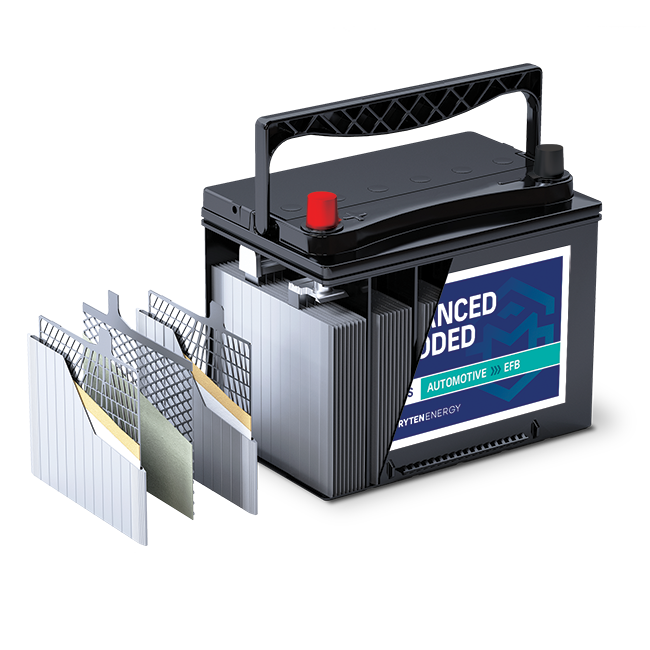
EFBs feature thicker battery plates than standard flooded batteries. A special polyfleece layer covers the plates. This layer protects against damage and extends battery life. The design resists corrosion and wear from frequent charging cycles. This durability ensures the battery lasts longer under tough conditions.
Charge Acceptance
EFBs recharge faster after being drained. They absorb energy quickly during short drives or stops. This feature helps the battery stay fully charged in daily use. Faster charging supports regenerative braking systems in many modern cars. It also means less risk of running out of power unexpectedly.
Start-stop Compatibility
EFBs handle the stress of start-stop engine systems well. These systems turn the engine off at traffic lights to save fuel. The battery must restart the engine many times a day. EFBs provide reliable power for these frequent starts. This compatibility improves fuel efficiency and reduces emissions.
Key Features Of Efb
The Enhanced Flooded Battery (EFB) offers several key features that set it apart from standard batteries. These features improve its performance and reliability in modern vehicles. EFBs handle demanding conditions better and last longer under frequent use.
Understanding these features helps you see why EFBs are popular for cars with start-stop systems. They provide a balance between cost and advanced battery technology.
Enhanced Cycling Capability
EFBs endure more charge and discharge cycles than regular flooded batteries. This means they last longer even with frequent engine starts and stops. Their design supports repeated cycling without quick loss of capacity. This is essential for vehicles that stop and start often, such as city cars.
Polyfleece Plate Technology
Inside EFBs, a polyfleece scrim covers the battery plates. This material strengthens the plates and reduces shedding of active material. It also helps maintain stable battery performance over time. The polyfleece layer improves durability and ensures consistent power delivery.
Heat Tolerance Advantages
EFBs tolerate higher temperatures better than standard flooded batteries. Heat can damage batteries quickly, but EFBs resist this effect. Their improved heat tolerance reduces the risk of failure in hot climates. This makes them reliable in places with extreme weather conditions.
Efb Vs Other Batteries
Enhanced Flooded Batteries (EFB) offer a unique balance of features and cost. They fit between standard flooded batteries and Absorbent Glass Mat (AGM) batteries. Understanding how EFBs compare helps choose the right battery for your vehicle needs. Below, we explore key differences and similarities among these battery types.
Standard Flooded Batteries
Standard flooded batteries use liquid electrolyte to power vehicles. They are the most common and affordable option. These batteries require regular maintenance to keep water levels correct. They are less durable under frequent start-stop conditions. Their cycle life is shorter compared to EFBs. Standard flooded batteries work well for older or less demanding vehicles.
Absorbent Glass Mat (agm) Batteries
AGM batteries use a glass fiber mat to hold electrolyte in place. This design makes them spill-proof and vibration-resistant. AGM batteries handle high electrical loads better than EFBs. They recharge faster and last longer under heavy use. These batteries are ideal for vehicles with advanced electronics and frequent start-stop cycles. AGM batteries cost more but offer superior performance and durability.
Cost And Performance Comparison
EFB batteries cost more than standard flooded types but less than AGM batteries. They provide better cycle life and faster recharge than standard flooded batteries. EFBs support start-stop technology well, improving fuel efficiency. AGM batteries lead in performance but come with the highest price. Choosing between these depends on your budget and vehicle demands. EFBs balance cost and performance for many modern cars.
Ideal Uses For Efb
Enhanced Flooded Batteries (EFB) fit specific vehicle needs well. Their design supports modern car technology without the high price of premium batteries. These batteries work best in situations demanding durability and reliable power. They suit cars that stop and start often, have high energy needs, or face tough weather. EFBs also provide a cost-effective choice compared to other advanced batteries.
Start-stop Vehicles
EFBs are ideal for cars with start-stop systems. These vehicles turn off the engine at stops to save fuel. EFBs handle frequent starting better than regular batteries. They recharge quickly after each stop, ensuring smooth restarts. This makes driving more efficient and reduces wear on the battery.
High Energy Demand Cars
Cars with many electronic features need strong batteries. EFBs supply steady power to run these systems. They manage energy use well during heavy electrical loads. This keeps devices like GPS, lights, and audio systems working. EFBs help maintain performance without draining power fast.
Harsh Climate Conditions
EFBs perform well in extreme weather. They resist damage from heat and cold better than standard batteries. This ensures reliable starts in winter and durability in summer. Their robust design protects against corrosion from moisture and temperature changes. EFBs keep vehicles running smoothly in tough climates.
Affordable Agm Alternative
Absorbent Glass Mat (AGM) batteries cost more than EFBs. EFBs offer many benefits of AGM at a lower price. They provide improved lifespan and power without high expenses. For drivers seeking durability and value, EFBs make sense. This balance makes EFBs popular for budget-conscious car owners.
Maintaining Efb Performance
Maintaining the performance of an Enhanced Flooded Battery (EFB) ensures long life and reliable power. Proper care helps the battery handle frequent starts and stops. Small steps can protect the battery’s internal structure and improve its efficiency. Regular attention keeps the EFB working well in all conditions.
Proper Charging Practices
Use the correct charger designed for EFB batteries. Avoid overcharging to prevent damage to the plates. Charge the battery slowly at low current for best results. Fast charging can cause overheating and reduce battery life. Monitor the charging voltage and stop when full capacity is reached. Proper charging keeps the battery healthy and ready for use.
Regular Inspection
Check the battery terminals for corrosion or dirt buildup. Clean the terminals with a soft brush and baking soda solution. Inspect the battery case for cracks or leaks. Look for swelling or deformation indicating internal issues. Test the battery voltage regularly to track performance. Early detection of problems prevents sudden failures.
Temperature Management
Keep the battery in a cool, dry place away from direct sunlight. High temperatures speed up battery wear and reduce lifespan. Avoid freezing conditions that can cause internal damage. Use insulation or battery warmers in cold climates. Proper temperature control helps maintain stable battery performance.

Credit: www.rotronicsbms.com
Maximizing Battery Lifespan
Maximizing the lifespan of an Enhanced Flooded Battery (EFB) ensures reliable power and saves money. Proper care helps maintain its performance over time. Simple steps can prevent early battery failure and keep your vehicle running smoothly.
Avoiding Deep Discharge
Deep discharging damages the battery’s internal structure. Try not to let the battery voltage drop too low. Frequent deep discharges reduce its ability to hold charge. Use the vehicle regularly to keep the battery charged. Turn off lights and accessories when the engine is off.
Optimal Storage Tips
Store the battery in a cool, dry place away from direct sunlight. High temperatures speed up battery degradation. Keep the battery fully charged before storing it. Check the charge level every few weeks and recharge if needed. Avoid leaving the battery disconnected for long periods.
Signs Of Battery Wear
Watch for slow engine starts or dim lights. Corrosion on terminals can indicate wear or poor connections. Swollen or leaking battery cases show damage. Frequent need for jump-starts signals loss of capacity. Early detection helps prevent unexpected failures.
Troubleshooting Common Issues
Troubleshooting common issues with Enhanced Flooded Batteries (EFB) helps maintain their performance. Identifying problems early can prevent bigger damage. Understanding typical faults makes fixing easier and faster. This section covers slow recharging, capacity loss, and physical damage signs.
Slow Recharging
Slow recharging happens when the battery takes too long to regain full charge. This issue may result from sulfation buildup on the battery plates. Sulfation blocks the chemical reactions needed to store energy efficiently. Another cause is a weak alternator or poor charging system. Check the alternator output to ensure it meets your vehicle’s requirements. Also, inspect battery terminals for corrosion or loose connections. Clean and tighten them to improve current flow.
Capacity Loss
Capacity loss means the battery holds less charge over time. Frequent deep discharges shorten battery life and reduce capacity. High temperatures accelerate chemical wear inside the battery. Over time, the battery plates degrade and lose active material. This loss lowers the total energy the battery can store. Test the battery voltage and conduct a load test to confirm capacity issues. Replace the battery if tests show significant drops in performance.
Physical Damage Indicators
Look for cracks or swelling in the battery casing. These signs indicate internal damage or overheating. Leaking acid around the battery terminals is another warning. Acid leaks can corrode vehicle parts and cause electrical faults. Check the battery for bulges or deformations on the top or sides. Physical damage often requires immediate battery replacement. Never ignore visible damage as it risks safety and vehicle operation.
Credit: www.stryten.com
Choosing The Right Efb
Choosing the right Enhanced Flooded Battery (EFB) ensures your vehicle runs smoothly. The perfect EFB meets your car’s power needs and fits its design. Select a battery that balances performance, size, and cost effectively. Consider several key factors before buying to avoid common mistakes.
Capacity And Size Considerations
Check your vehicle’s manual for recommended battery size. The EFB must fit securely in the battery tray. Choose a capacity that matches your car’s power use. A battery with too low capacity will drain quickly. Too large a battery may not fit or work well. Select one that supports start-stop functions if your car has them.
Brand Reputation
Pick a brand known for quality and reliability. Brands with good reviews often provide longer-lasting batteries. Avoid unknown or low-cost brands that may fail early. Trusted brands offer consistent performance in harsh conditions. A well-known brand gives peace of mind and fewer problems.
Warranty And Support
Look for a battery with a solid warranty period. A longer warranty shows the brand’s confidence in its product. Check what the warranty covers, such as defects or early failure. Good customer support helps if you face issues. A reliable warranty saves money on repairs or replacements.
Credit: www.stryten.com
Frequently Asked Questions
What Is An Enhanced Flooded Battery?
An enhanced flooded battery (EFB) is a durable lead-acid battery designed for vehicles with start-stop technology. It offers faster recharge, longer cycle life, and better performance than standard flooded batteries, making it ideal for modern cars with high energy demands and frequent engine restarts.
Which Is Better, An Efb Or An Agm Battery?
AGM batteries offer better performance, durability, and faster recharge than EFBs. EFBs suit moderate start-stop needs affordably. Choose AGM for high-demand vehicles; pick EFB for budget-friendly, reliable use in mild conditions.
How Long Should An Efb Battery Last?
An Enhanced Flooded Battery (EFB) typically lasts 3 to 5 years, depending on usage and climate conditions. Proper maintenance extends its lifespan.
Can I Use An Efb Battery In A Normal Car?
Yes, you can use an EFB battery in a normal car. It offers better durability and faster recharge than standard batteries.
Conclusion
Enhanced flooded batteries offer a solid balance of cost and performance. They support vehicles with start-stop systems and high energy needs. These batteries recharge faster and last longer than standard flooded types. Their durability suits hot climates and heavy vehicle use.
Choosing an EFB helps maintain reliable power without extra expense. For many drivers, this battery type meets daily demands well. Simple, effective, and built to endure.