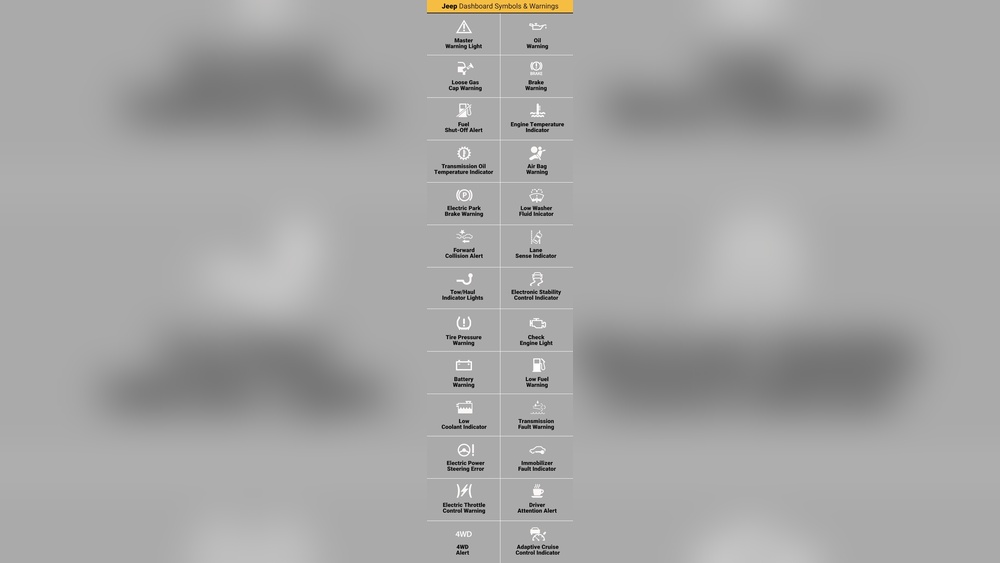
The “Dynamic Steering Torque Service Required” alert indicates a potential issue with the vehicle’s steering system. Immediate professional inspection is recommended.
Modern vehicles use advanced steering systems for enhanced driving comfort and safety. Dynamic steering torque adjusts steering effort based on driving conditions, making it easier to navigate. When the system detects a problem, it triggers the “Dynamic Steering Torque Service Required” alert.
Ignoring this warning can compromise vehicle safety and performance. Regular maintenance and prompt service ensure the steering system functions optimally. Addressing issues early can prevent costly repairs and ensure a smooth driving experience. Always consult a certified technician for accurate diagnosis and repair.
Introduction To Dynamic Steering Torque
Dynamic Steering Torque is a critical aspect of modern vehicle safety. It ensures the driver maintains control in various driving conditions. This section will introduce you to the concept of Dynamic Steering Torque.
What It Is
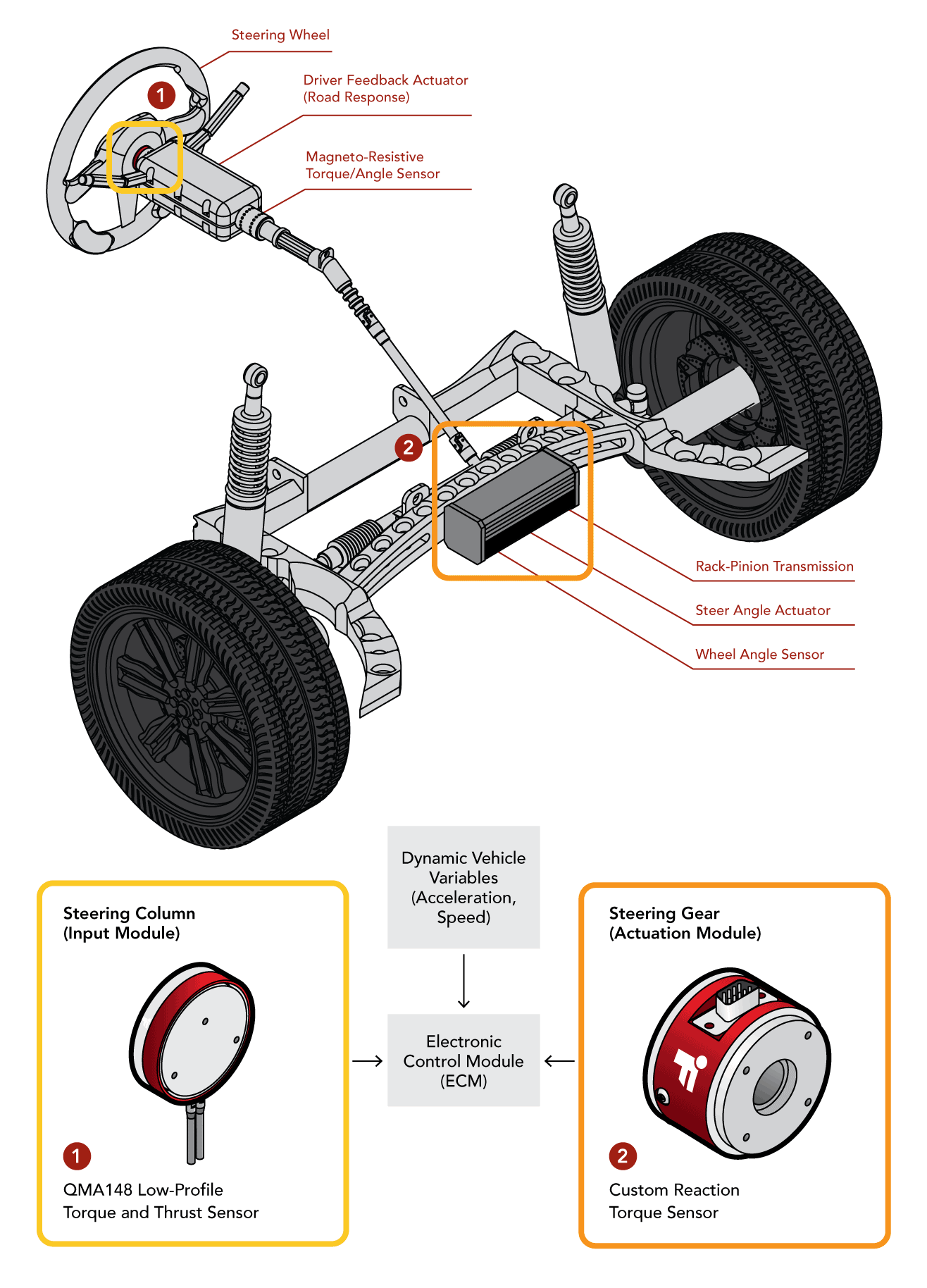
Dynamic Steering Torque is an advanced steering system. It adjusts the steering effort needed based on driving conditions. This system provides extra assistance at low speeds. At high speeds, it offers more resistance. This ensures optimal steering control at all times.
Importance For Vehicle Safety
Dynamic Steering Torque enhances vehicle safety in many ways:
- Improved Handling: It makes steering easier in tight spots.
- Stability: Offers better control during high-speed driving.
- Reduced Fatigue: Less effort required for steering reduces driver fatigue.
- Accident Prevention: Helps in avoiding obstacles and maintaining lane discipline.
In summary, Dynamic Steering Torque is essential for a safer driving experience. It adapts to different driving scenarios, ensuring the driver is always in control.
Credit: www.futek.com
Common Signs Of Steering Issues
Steering issues can make driving unsafe. Recognizing early signs is vital. This section will help you spot common steering problems.
Unusual Noises
Unusual noises are often the first sign of trouble. Pay attention to these sounds:
- Squealing: This could mean the power steering belt is worn.
- Grinding: This noise may indicate a problem with the steering gear.
- Knocking: This might signal loose or damaged parts.
These noises need immediate attention to avoid further damage.
Steering Wheel Vibrations
Steering wheel vibrations can signal various issues. Here are common causes:
| Cause | Description |
|---|---|
| Unbalanced Tires | Uneven tire wear can cause vibrations. |
| Worn Suspension Parts | Old parts may lead to steering issues. |
| Brake Problems | Worn brake pads or rotors might cause vibrations. |
Addressing these issues promptly can keep your steering smooth.
Causes Of Steering Torque Problems
Understanding the causes of steering torque problems can help in maintaining vehicle safety. These issues can stem from several factors, including worn-out components and fluid leaks. Identifying these causes early can prevent serious damage and costly repairs.
Worn-out Components
Worn-out parts are a common cause of steering torque problems. Over time, components such as the steering rack, tie rods, and ball joints wear down. This wear and tear can lead to increased steering resistance. Regular inspections can help in identifying worn-out components early.
Here are some key components that may wear out:
- Steering Rack: The steering rack can suffer from wear and tear.
- Tie Rods: These rods connect the steering gear to the wheel.
- Ball Joints: Ball joints allow the steering knuckles to move.
Fluid Leaks
Fluid leaks can also cause steering torque problems. The power steering system relies on hydraulic fluid to function properly. If there is a leak, the system loses pressure, making it hard to steer. Regular checks for fluid levels can help prevent these issues.
Common sources of fluid leaks include:
- Power Steering Pump: This pump circulates the hydraulic fluid.
- Hoses: Hoses can crack and leak fluid.
- Seals: Seals can wear out and cause leaks.
Early detection of these problems can save time and money. Regular maintenance is key to ensuring a smooth and safe driving experience.
Diagnostic Tools And Techniques
Understanding Dynamic Steering Torque Service Required issues can be tricky. Diagnosing these problems needs the right tools and techniques. This guide will help you learn about the essential diagnostic tools. We will also explore effective techniques for a thorough inspection.
Obd-ii Scanner
An OBD-II scanner is a crucial tool for diagnosing steering issues. The scanner reads the error codes from your car’s computer. These codes help identify the problem’s root cause.
- Plug the OBD-II scanner into your vehicle’s port.
- Turn on the ignition and the scanner.
- Read the error codes displayed on the scanner.
- Note the codes and their descriptions.
The error codes can point to various issues. These include sensor malfunctions or wiring problems. Addressing these codes can help resolve the steering torque service alert.
Visual Inspection
A visual inspection is another essential diagnostic technique. It can help identify obvious issues with the steering system.
- Check the steering wheel for any visible damage.
- Inspect the steering column for loose connections.
- Look at the wiring for any signs of wear or damage.
- Examine the steering fluid levels and quality.
These steps can reveal physical problems affecting the steering torque. Fixing these issues early can prevent more serious damage.
| Tool | Purpose |
|---|---|
| OBD-II Scanner | Reads error codes from the car’s computer |
| Flashlight | Helps in visual inspection of parts |
| Gloves | Protects hands during inspection |
Using these tools and techniques, you can diagnose and fix Dynamic Steering Torque Service issues effectively. Remember to always follow safety guidelines during inspection and repair.
Diy Maintenance Tips
Maintaining your vehicle’s steering system is essential for safe driving. DIY maintenance can save you time and money. Here are some DIY maintenance tips to keep your steering system in top shape.
Checking Fluid Levels
Start by checking the power steering fluid. It’s crucial for smooth steering. Follow these steps:
- Locate the power steering fluid reservoir under the hood.
- Remove the cap and wipe the dipstick clean.
- Reinsert the dipstick and pull it out again.
- Check the fluid level against the marked lines.
If the fluid is low, add more until it reaches the correct level. Use the fluid type recommended by your vehicle’s manufacturer.
Inspecting Steering Linkages
Inspecting the steering linkages ensures the steering components are intact. Follow these steps:
- Lift the front of the vehicle using a jack.
- Secure the vehicle with jack stands for safety.
- Visually inspect the tie rods and ball joints for wear.
- Check for any loose or damaged parts.
If you notice any wear or damage, replace the parts immediately. Keeping the steering linkages in good condition prevents steering issues.
Regular maintenance of your steering system ensures smooth and safe driving. These DIY tips help you keep your vehicle in great shape.
When To Seek Professional Help
Handling dynamic steering torque issues can be tricky. Many car owners may feel confident making minor adjustments. However, some signs indicate the need for professional help. Understanding these signs can save time and prevent further damage.
Complex Repairs
Some steering issues require complex repairs. These repairs often need specialized tools and expertise. Attempting these repairs without proper knowledge can worsen the issue.
Common complex repairs include:
- Replacing the steering column
- Fixing the power steering pump
- Repairing electronic control units
These tasks are best left to professionals. They have the experience and equipment to handle them properly.
Advanced Diagnostics
Modern cars have intricate systems. Identifying steering problems may require advanced diagnostics. Professional mechanics use specialized software to detect issues. This software can pinpoint problems that are not visible to the naked eye.
Benefits of advanced diagnostics include:
- Accurate problem identification
- Time-efficient repairs
- Cost-saving by preventing unnecessary replacements
Without advanced diagnostics, identifying the root cause of steering issues becomes difficult. Relying on a professional can ensure your car’s systems are thoroughly checked.
Preventive Measures
Taking preventive measures for your car’s dynamic steering torque is crucial. It helps avoid unexpected issues and maintains smooth driving. Let’s explore some essential steps to keep your steering system in top shape.
Regular Inspections
Regular inspections are vital to catch problems early. Check your steering system every six months. Look for any unusual noises or vibrations. Ensure all components are in good condition. A simple inspection can save you from costly repairs.
Timely Fluid Changes
Timely fluid changes keep your steering system working smoothly. Steering fluid lubricates the system and reduces friction. Change the fluid every two years or as recommended by your manufacturer. Fresh fluid helps maintain optimal performance and prevents damage.
| Preventive Measure | Frequency |
|---|---|
| Regular Inspections | Every 6 months |
| Fluid Changes | Every 2 years |
Regular inspections and timely fluid changes are simple yet effective. These steps ensure your car’s steering system remains reliable and efficient.

Credit: www.youtube.com
Choosing The Right Mechanic
When your vehicle’s dynamic steering system needs service, choosing the right mechanic is crucial. The mechanic’s expertise ensures your vehicle remains safe and reliable. This section will help you make an informed decision.
Certifications To Look For
Finding a certified mechanic guarantees quality service. Look for the following certifications:
- ASE Certification: This certification means the mechanic has passed rigorous testing.
- Manufacturer Training: Mechanics trained by the car manufacturer know your vehicle best.
- Specialty Certifications: For dynamic steering, a steering system certification is ideal.
Certifications show that the mechanic has the needed skills. They ensure your car gets the best care.
Customer Reviews
Reading customer reviews can give insight into the mechanic’s reputation. Look for reviews on:
- Google Reviews: A high rating indicates customer satisfaction.
- Yelp: Detailed reviews can highlight both strengths and weaknesses.
- Facebook: Social media reviews often provide personal experiences.
Positive reviews mean the mechanic is trustworthy. Reviews help you choose a reliable expert.
Cost Considerations
Understanding the costs of Dynamic Steering Torque Service is crucial. This service can vary in price based on several factors. Knowing what to expect helps you budget effectively.
Average Repair Costs
The average repair costs for Dynamic Steering Torque Service can range from $200 to $800. This price depends on your vehicle make and model. Here is a simple breakdown:
| Vehicle Type | Cost Range |
|---|---|
| Sedan | $200 – $400 |
| SUV | $300 – $600 |
| Luxury Car | $500 – $800 |
Labor costs also influence these prices. Skilled technicians may charge more for their expertise. Check with local mechanics for exact estimates.
Warranty Options
Many vehicles come with a warranty that might cover this service. Here are some common warranty options:
- Manufacturer’s Warranty: Covers repairs for a limited time or mileage.
- Extended Warranty: Purchased separately, extends coverage beyond the manufacturer’s warranty.
- Powertrain Warranty: Covers the essential components, including steering systems.
Review your vehicle’s warranty details to see if Dynamic Steering Torque Service is included. A warranty can save you significant costs.
In summary, understanding the costs and available warranties for Dynamic Steering Torque Service is vital. It ensures you are prepared and can maintain your vehicle effectively.

Credit: jeepinside.com
Frequently Asked Questions
What Is Dynamic Steering Torque?
Dynamic steering torque adjusts the steering force based on driving conditions, enhancing control and comfort. It ensures precise handling.
How Do You Fix Steering Torque?
To fix steering torque, check and adjust wheel alignment, inspect power steering fluid levels, and examine the steering column.
What Is The Torque Required For Steering?
The torque required for steering varies by vehicle type. Typically, it ranges from 2 Nm to 6 Nm for passenger cars.
What Is The Torque Sensor In The Steering System?
A torque sensor in the steering system measures the driver’s input force. It helps adjust steering assistance for better control.
Conclusion
Regular maintenance is key to keeping your vehicle safe and efficient. Address dynamic steering torque issues promptly. Proper service ensures smoother driving and longevity. Stay proactive and consult professionals when needed. Your vehicle’s performance relies on timely attention to these critical components.
Make informed decisions for a better driving experience.