Thinking about buying a Jeep Grand Cherokee? It’s a popular choice for many, but is it the right fit for you?
Before you make a decision, it’s important to look at the reasons why this SUV might not be the best option. You want a vehicle that matches your needs and lifestyle, not one that causes headaches down the road. Keep reading to discover what you should watch out for and whether the Grand Cherokee truly deserves a spot in your garage.
This could save you time, money, and frustration.
Table of Contents
ToggleJeep Grand Cherokee Overview
The Jeep Grand Cherokee is a popular SUV known for its rugged style and strong off-road ability. It blends comfort with power, appealing to many drivers. This model offers a range of engines and features, making it versatile for different needs.
Inside, the Grand Cherokee provides spacious seating and modern technology. It aims to deliver a smooth ride on highways and rough trails alike. Many buyers appreciate its bold design and solid build.
Performance And Engine Options
The Grand Cherokee offers several engines, including V6 and V8 choices. Each engine balances power and fuel efficiency differently. The SUV handles well on varied terrains, from city streets to rocky paths. Its towing capacity also suits those needing to haul trailers or boats.
Interior Comfort And Technology
Comfort is a key focus inside the Grand Cherokee. Seats are roomy and supportive for long trips. The infotainment system is user-friendly, with touchscreens and smartphone connectivity. Advanced safety features come standard, enhancing driver confidence.
Design And Build Quality
The exterior design is tough yet stylish, with classic Jeep elements. Build quality is solid, but some materials inside feel less premium. The Grand Cherokee stands out in its class for off-road readiness and looks. It keeps a strong presence on the road.
Common Reliability Issues
Jeep Grand Cherokee is popular for its style and off-road ability. Still, some buyers worry about reliability problems. These issues can cost time and money. Knowing common problems helps you decide if this SUV suits your needs.
Several owners report engine and transmission troubles. Electrical parts also show some faults. Suspension and brakes may need extra care. These points often come up in reviews and forums.
Engine And Transmission Problems
Some Jeep Grand Cherokee engines have oil leaks and rough idling. Transmission may shift hard or slip out of gear. These faults can lower fuel efficiency and driving comfort. Repairs on these parts can be costly and frequent.
Electrical System Glitches
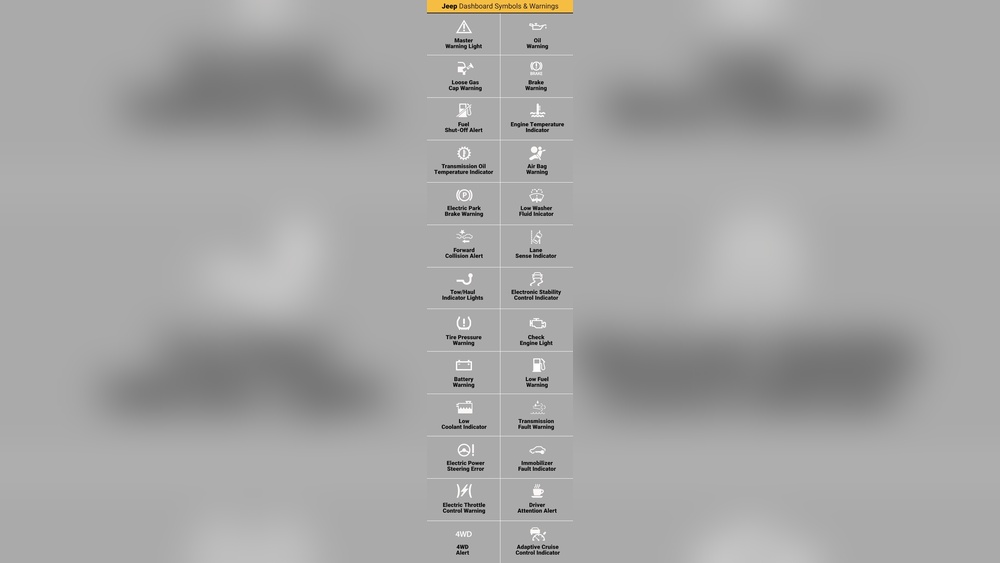
Owners mention issues with dashboard lights and infotainment systems. Problems like dead batteries or malfunctioning sensors appear often. Electrical faults can cause unexpected car shutdowns or warning signs. Fixing these glitches might need a visit to a dealer.
Suspension And Brake Concerns
The suspension system may wear out early, causing a bumpy ride. Brake pads and rotors sometimes need replacement sooner than expected. These problems affect safety and driving smoothness. Regular checks and maintenance help avoid bigger troubles.
Fuel Efficiency Challenges
The Jeep Grand Cherokee is loved for its power and style. Yet, fuel efficiency is a concern for many buyers. This SUV tends to use more gas than smaller vehicles. Understanding these challenges helps you decide if this Jeep fits your needs.
Fuel Economy Ratings
The Grand Cherokee’s fuel economy ratings are lower than many SUVs. It averages around 18-22 miles per gallon. This is less efficient than compact SUVs that can reach 28-30 mpg. Expect to stop for gas more often on long trips.
Impact Of Engine Options
Different engines affect fuel use. The powerful V8 engines consume more fuel. Smaller V6 engines are slightly better but still not very efficient. Choosing a bigger engine means sacrificing fuel savings for power.
Driving Conditions And Fuel Use
City driving reduces fuel efficiency in the Grand Cherokee. Stop-and-go traffic makes the engine work harder. Highway driving improves mileage but still lags behind smaller vehicles. Off-road use can also increase fuel consumption.
Cost Of Fuel Over Time
More fuel use means higher costs at the pump. This can add up to hundreds of dollars each year. Fuel expenses become a key factor in overall ownership costs. Budgeting for gas is important with this SUV.
Maintenance And Repair Costs
Maintenance and repair costs are important factors for anyone thinking about buying a Jeep Grand Cherokee. Knowing these costs helps avoid surprises later. This section looks at how often repairs happen and how much they cost compared to other SUVs.
Frequency Of Repairs
The Jeep Grand Cherokee may need repairs more often than some rivals. Parts like the transmission and electrical systems can cause issues. Some owners report visits to the mechanic every year or two. This higher repair frequency can mean more time without the vehicle. Regular check-ups are necessary to keep it running smoothly.
Cost Comparison With Competitors
Repair costs for the Grand Cherokee tend to be higher than average. Parts and labor charges can add up quickly. Compared to SUVs like the Toyota Highlander or Honda Pilot, Jeep repairs often cost more. Insurance rates may also be higher because of these costs. Budgeting for maintenance is wise before buying this SUV.
Interior Quality And Comfort
The interior quality and comfort of the Jeep Grand Cherokee matter a lot for many buyers. It affects daily driving and long trips. Some drivers may find parts of the cabin less appealing than expected. This section looks at key points about the inside of this SUV.
Material Durability
The materials inside the Jeep Grand Cherokee feel solid but not always premium. Some plastics seem cheap and scratch easily. Seats use good fabric or leather options, but leather may wear faster. The dashboard has a mix of soft and hard plastics. These materials might not hold up well after years of use. Dirt and stains can be hard to clean on some surfaces.
Space And Seating Comfort
The front seats offer good comfort and support for most drivers. Rear seats, however, can feel tight for tall passengers. Legroom is limited in the back, especially with the optional third row. The third row is best for kids or short rides. Cargo space shrinks with all seats in use. Some rivals provide more roomy interiors for families.
Technology And Infotainment Issues
The Jeep Grand Cherokee offers many tech features. Yet, some issues with technology and infotainment cause concern. These problems may affect user experience during drives.
Slow Response And Lagging Screens
The touchscreen often reacts slowly to commands. This delay frustrates drivers trying to adjust settings fast. Lagging screens can distract from focusing on the road. Users report frequent freezes during use.
Connectivity Problems
Bluetooth and smartphone connections sometimes fail or drop. This interrupts phone calls and music streaming. Android Auto and Apple CarPlay can be unreliable. Drivers must restart systems to reconnect devices.
Complex User Interface
The infotainment system has a complicated menu structure. Finding basic controls takes longer than expected. New users need time to learn the system. This complexity reduces ease of use on the road.
Software Updates And Bugs
Software updates do not always fix existing bugs. Some updates introduce new glitches affecting features. Owners report issues with navigation and voice commands. Regular updates are necessary but not always smooth.
Safety Ratings And Concerns
The Jeep Grand Cherokee is known for its rugged design and off-road ability. Safety is a key factor for many buyers. Examining the safety ratings and concerns helps decide if this SUV fits your needs.
Safety ratings show how well the vehicle protects passengers during crashes. They also reveal how many safety features come standard. Some areas need more attention to detail.
Crash Test Performance
The Jeep Grand Cherokee has mixed results in crash tests. It scores well in front and side-impact tests. Roof strength tests show average protection. Some models have lower ratings for small overlap crashes.
These results suggest caution for buyers focused on crash safety. Checking the specific model year ratings is important. Safety can improve or decline with updates.
Standard Safety Features
Basic safety features include airbags, stability control, and anti-lock brakes. Advanced driver aids like lane departure warning and automatic emergency braking are optional. Some competitors offer these as standard.
Optional safety tech may increase the total price. Buyers seeking the latest safety gadgets might find better value elsewhere.
Common Safety Concerns
Some Jeep Grand Cherokee owners report issues with electronic safety systems. Problems with sensors or alerts can cause distractions. Maintenance costs for these systems may be higher.
The large size and weight can make handling tricky for some drivers. Extra care is needed in tight spaces or poor road conditions.
Resale Value And Depreciation
The resale value and depreciation of a Jeep Grand Cherokee can influence your buying choice. These factors affect how much money you can get back after owning the vehicle for some time. Understanding them helps you plan your budget better.
Understanding Depreciation Rates
Depreciation means how much value a car loses over time. The Jeep Grand Cherokee usually loses value faster than some competitors. This happens because many SUVs enter the market each year. The first few years see the biggest drop in price.
Impact On Resale Value
The resale value of a Jeep Grand Cherokee tends to be lower than average. Buyers often prefer models with slower depreciation. This makes selling your Jeep later harder. Pricing the vehicle right is important to attract buyers.
Factors Affecting Depreciation
Several things affect depreciation rates. Mileage, condition, and maintenance history matter most. High mileage lowers the resale price a lot. A well-kept Jeep holds value better over time.
Comparing With Other Suvs
Compared to some rivals, the Grand Cherokee loses value quicker. Brands like Toyota and Honda often keep their price better. This can make their SUVs more appealing for resale purposes.
Alternatives To Consider
Choosing the right SUV matters a lot. Some buyers might find the Jeep Grand Cherokee not the best fit. Exploring other options can help you find a vehicle that matches your needs better. Consider alternatives based on reliability and fuel efficiency. These factors affect your daily use and long-term satisfaction.
Suvs With Better Reliability
Reliability is key for many SUV buyers. Some models have fewer repairs and last longer than the Jeep Grand Cherokee. Brands like Toyota and Honda often lead in this area. The Toyota 4Runner and Honda Pilot are known for strong dependability. They offer peace of mind and lower maintenance costs. Choosing a reliable SUV means fewer surprises on the road.
More Fuel-efficient Options
Fuel efficiency saves money and reduces environmental impact. The Jeep Grand Cherokee can use a lot of gas. Compact SUVs like the Mazda CX-5 and Hyundai Tucson offer better mileage. These vehicles fit city and highway driving well. They help cut fuel expenses over time. More fuel-efficient SUVs also reduce trips to the gas station.
How JeepKnowledge Can Help You with Are There Any Reasons to Not Buy a Jeep Grand Cherokee?
Learning from the Reasons to Hesitate on a Jeep Grand Cherokee
When weighing whether to buy a Jeep Grand Cherokee, understanding potential drawbacks—like reliability concerns, fuel efficiency challenges, and maintenance costs—opens practical learning opportunities for any prospective buyer or Jeep enthusiast.
- Reliability Issues: Delving into common problems sharpens your ability to anticipate and troubleshoot mechanical quirks, turning you into a more informed and prepared owner.
- Fuel Efficiency Challenges: Exploring fuel economy helps you develop strategies for more mindful driving or consider upgrades that improve mileage, blending passion with practicality.
- Maintenance and Repair Costs: Awareness here encourages budgeting skills and understanding when DIY repairs are viable, which aligns well with the hands-on Jeep community ethos.
At JeepKnowledge, we aim to provide straightforward, expert-driven insights that empower you to navigate these complexities. Whether you’re comparing alternatives or just deepening your Jeep know-how, engaging with these topics cultivates a smarter, more confident approach to ownership.
For further questions or detailed guidance, tapping into community forums or reaching out through https://jeepknowledge.com/ can be invaluable resources—not just for answers, but for connecting with fellow Jeep enthusiasts who share practical advice.
Frequently Asked Questions
Are Jeep Grand Cherokees Expensive To Maintain?
Yes, Jeep Grand Cherokees tend to have higher maintenance costs. Repairs and parts can be pricey due to their complex design. Routine upkeep is essential to avoid costly issues. Budgeting for maintenance is important when considering this vehicle.
Do Jeep Grand Cherokees Have Poor Fuel Economy?
Jeep Grand Cherokees generally have lower fuel efficiency. Their powerful engines consume more fuel than smaller SUVs. This can lead to higher fuel expenses over time. Fuel economy is a key factor to consider if you drive frequently.
Is The Jeep Grand Cherokee Less Reliable Than Competitors?
Some Jeep Grand Cherokee models show below-average reliability ratings. Issues with electronics and drivetrain have been reported. Research specific model years before purchasing. Reliability concerns might affect long-term ownership satisfaction.
Are Jeep Grand Cherokees Uncomfortable For Daily Driving?
The Jeep Grand Cherokee can feel stiff on city roads. Its off-road suspension may reduce ride comfort on pavement. Noise levels inside the cabin might also be higher. Comfort preferences vary, so test driving is recommended.
Conclusion
The Jeep Grand Cherokee offers many benefits, but some drawbacks exist. Fuel economy may not satisfy all drivers. Repair costs can be higher than average. Interior space might feel tight for some families. Consider how you plan to use the vehicle.
Think about your budget and needs carefully. The Jeep Grand Cherokee suits those who value style and off-road ability. Weigh pros and cons before deciding. This helps you choose the right SUV for you.