If you rely on batteries to keep your devices or systems running smoothly, understanding the power behind an AGM VRLA battery can make all the difference. You might wonder why these batteries are praised for their durability and maintenance-free design.
Whether you use them for your UPS, solar setup, or backup power, knowing how AGM VRLA batteries work and how to maximize their lifespan is key to protecting your investment and avoiding unexpected downtime. Keep reading to discover what makes AGM VRLA batteries a smart choice and how you can get the most out of yours every day.
Agm Vrla Battery Basics
Understanding the basics of AGM VRLA batteries helps in choosing the right power solution. These batteries offer reliable performance for various uses. They combine advanced technology with ease of maintenance. This section breaks down key facts about AGM VRLA batteries for clear understanding.
What Is Agm Vrla Battery
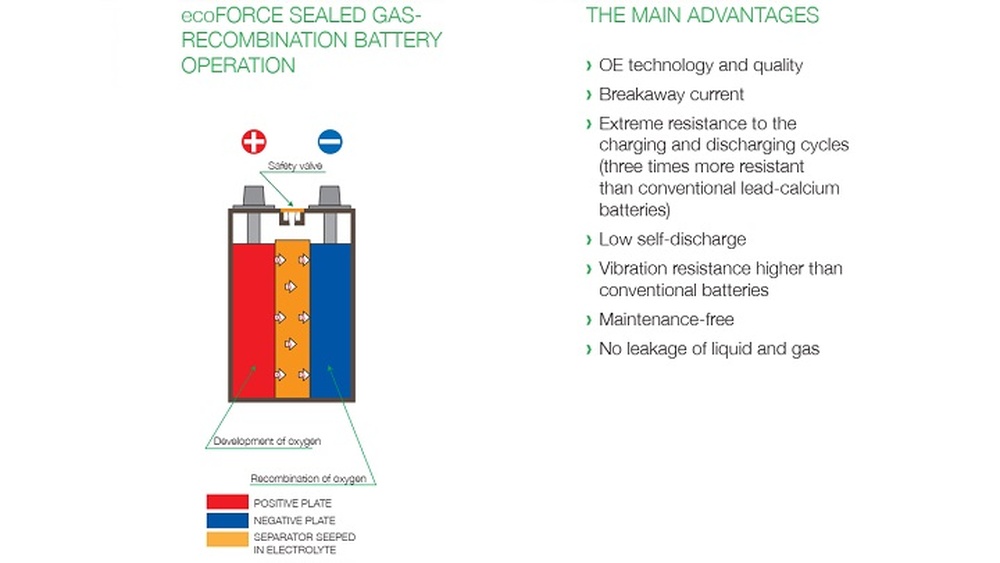
AGM VRLA stands for Absorbent Glass Mat Valve-Regulated Lead-Acid battery. It uses a special glass mat to hold the electrolyte. This design prevents leaks and allows the battery to work in any position. AGM VRLA batteries need no water refilling. They are sealed and maintenance-free. These batteries provide strong power and long life for many applications.
Differences Between Vla And Vrla
VLA means Ventilated Lead-Acid battery. It has liquid electrolyte that can spill. VLA batteries need regular maintenance and water refilling. VRLA batteries are sealed and use a valve to control gas release. They do not spill and need less care. VRLA batteries are safer and easier to use in tight spaces. This makes VRLA a popular choice over VLA.
Electrolyte Types And Benefits
There are two main electrolyte types in VRLA batteries: Gel and AGM. Gel batteries use a thick gel to hold acid. This gel stops leaks and works well in extreme temperatures. AGM batteries use a glass mat to absorb the acid. This mat improves efficiency and power delivery. Both types prevent acid spills and reduce maintenance. Choosing the right type depends on the application and environment.

Credit: nemixbattery.com
Lifespan Of Vrla Batteries
The lifespan of AGM VRLA batteries plays a crucial role in their overall performance and reliability. Understanding how long these batteries last helps users plan for replacements and maintenance. Lifespan depends on many factors, including usage, environment, and care. Proper knowledge ensures better battery management and avoids unexpected failures.
Typical Lifespan Ranges
- AGM VRLA batteries usually last between 3 to 5 years.
- Some high-quality models can reach up to 7 years.
- Usage conditions and maintenance heavily influence these ranges.
Factors That Reduce Lifespan
- High operating temperatures increase battery wear.
- Frequent deep discharges shorten cycle life.
- Overcharging causes corrosion and plate damage.
- Undercharging forces the battery to work harder.
- Sulfation builds up and reduces charging efficiency.
Impact Of Temperature And Discharge Cycles
Temperature greatly affects battery health. Higher heat speeds up chemical reactions that wear out components. Keeping temperatures low and stable extends life.
Discharge cycles count matters too. More cycles mean faster degradation. Shallow discharges help preserve battery capacity longer.
Performance Factors
Performance factors greatly influence the efficiency and lifespan of AGM VRLA batteries. Understanding these factors helps maintain optimal battery function and prevents early failure. Key elements include cycling behavior, charging practices, and chemical changes inside the battery. Each plays a vital role in how the battery performs over time.
Cycling And Depth Of Discharge
AGM VRLA batteries have a limited number of charge-discharge cycles. The depth of discharge (DoD) impacts cycle life. Deeper discharges reduce the total cycles the battery can handle. Shallow discharges extend battery life by reducing stress. Regularly discharging below 50% DoD can preserve battery health. Proper cycling ensures reliable and long-lasting performance.
Effects Of Overcharging And Undercharging
Overcharging causes excessive heat and accelerates plate corrosion. This damages the battery and shortens its lifespan. Undercharging leaves the battery partially charged, leading to sulfation. Sulfation reduces capacity and increases internal resistance. Maintaining correct voltage during charging avoids these issues. Use a charger designed for AGM VRLA batteries to protect them.
Sulfation And Battery Aging
Sulfation occurs when lead sulfate crystals build up on battery plates. It happens naturally with age and poor charging habits. This buildup blocks active material and reduces capacity. Over time, sulfation increases charging time and heat generation. Regular full charges help prevent sulfation from worsening. Aging also causes gradual loss of active material, lowering battery performance.
Maximizing Battery Life
Maximizing the life of your AGM VRLA battery helps save money and ensures reliable power. Proper care and regular checks improve battery performance. Small actions can extend the battery’s usable years.
Maintaining Stable Operating Temperatures
Keep the battery in a cool, dry place. High temperatures cause faster wear and reduce capacity. Avoid placing the battery near heat sources or direct sunlight. Stable temperatures prevent damage and improve efficiency.
Correct Float Voltage Settings
Set the float voltage to the recommended level. Too high voltage causes overcharging and plate corrosion. Too low voltage results in undercharging and sulfate build-up. Proper voltage maintains battery health and extends life.
Regular Voltage Checks And Capacity Tests
Test the battery voltage often to catch issues early. Capacity tests show how much charge the battery holds. Regular checks help find problems before failure. Keep records of tests for ongoing maintenance.
Charging Agm Vrla Batteries
Charging AGM VRLA batteries correctly is key to their performance and lifespan.
These batteries need special care during charging to avoid damage.
Following the right steps helps maintain battery health and efficiency.
Choosing The Right Charger
Select a charger designed for AGM VRLA batteries only.
Standard lead-acid chargers may cause overcharging or undercharging.
Look for chargers with automatic voltage regulation and temperature compensation.
Pre-charge Inspection
Check battery terminals for corrosion or loose connections before charging.
Clean terminals with a soft brush and ensure tight connections.
Inspect the battery case for cracks or leaks to avoid hazards.
Correct Charging Procedures
Start charging at a low current to prevent overheating.
Use the recommended charging voltage specific to AGM VRLA batteries.
Maintain a constant voltage charging phase until the battery is nearly full.
Monitoring And Completing The Charge
Monitor battery temperature and voltage during the charging process.
Stop charging once the battery reaches full charge voltage.
Avoid overcharging to prevent damage and extend battery life.

Credit: en.wikipedia.org
Applications And Use Cases
AGM VRLA batteries serve various purposes across multiple industries. Their sealed design offers safety and low maintenance. These batteries provide reliable power where consistent energy is essential. Below are common applications and use cases where AGM VRLA batteries excel.
Ups Systems And Backup Power
AGM VRLA batteries are widely used in UPS systems. They ensure continuous power during outages. Their fast recharge time helps maintain uptime. These batteries protect sensitive equipment from damage. Their spill-proof design allows installation in tight spaces.
Renewable Energy Storage
Renewable energy setups rely on AGM VRLA batteries. They store energy from solar panels and wind turbines. These batteries deliver steady power, day and night. Their long life reduces replacement frequency. Maintenance-free features suit remote locations well.
Industrial And Commercial Uses
Industries use AGM VRLA batteries for forklifts and machinery. Commercial buildings use them for emergency lighting and alarms. They support telecom towers and data centers. Their vibration resistance suits heavy-duty environments. Easy installation makes them popular in many sectors.
Troubleshooting And Maintenance
Proper troubleshooting and maintenance of AGM VRLA batteries extend their life and improve performance. These batteries require specific care to prevent damage and ensure reliable power. Understanding common issues, preventive care, and replacement timing is key to keeping them in good shape.
Identifying Common Issues
Watch for signs like slow charging or sudden power loss. Swollen battery cases indicate internal damage. Corrosion on terminals can block current flow. Check for unusual heat during use. Voltage drops below normal levels signal problems. Strange smells may point to leaks or internal faults.
Preventive Care Tips
Keep battery terminals clean and dry. Use a soft brush to remove corrosion. Avoid deep discharges to protect battery life. Store batteries in cool, dry places. Regularly check voltage with a multimeter. Charge batteries fully before storage. Use chargers designed for AGM VRLA types only.
When To Replace Your Battery
Replace the battery if it fails to hold charge. Look for physical damage or leaks. Frequent voltage drops despite maintenance mean replacement. If the battery age exceeds 4 to 5 years, consider replacement. Avoid risks of sudden battery failure by timely replacement.

Credit: www.directindustry.com
Frequently Asked Questions
Is Agm A Vrla Battery?
Yes, AGM (Absorbent Glass Mat) batteries are a type of VRLA (Valve-Regulated Lead-Acid) battery. They use a sealed design with absorbed electrolyte, requiring no maintenance. AGM batteries offer better performance, longer life, and enhanced safety compared to traditional flooded lead-acid batteries.
Can You Charge A Vrla Battery With An Agm Charger?
Yes, you can charge a VRLA battery with an AGM charger if it supports VRLA battery types. Use correct voltage and settings.
What Are Three Types Of Vrla Batteries?
The three types of VRLA batteries are Absorbent Glass Mat (AGM), Gel, and Hybrid. AGM uses a fiberglass mat, Gel contains silica-based electrolyte, and Hybrid combines features of both.
What Are The Disadvantages Of Vrla Batteries?
VRLA batteries have limited lifespan and cycle life. They are sensitive to high temperatures and overcharging. Sulfation reduces efficiency over time. They require proper maintenance to avoid capacity loss and premature failure.
Conclusion
AGM VRLA batteries offer reliable power with proper care and use. They last longer when kept cool and charged correctly. Avoid deep discharges and overcharging to protect battery life. Regular checks help spot issues early and maintain performance. Choosing the right battery suits your energy needs and ensures steady power supply.
Understanding these basics helps you get the best from your AGM VRLA battery. Simple steps keep your battery running smoothly and efficiently.